

How to Scale Your Shopify Store to Handle More Traffic in 2026
As we approach 2026, the landscape of e-commerce is becoming increasingly competitive. For Shopify store owners, understanding how to scale your Shopify store to effectively handle a surge is more critical than ever. This guide will explore various strategies for 2026, focusing on how to drive, improve conversion rates, and ultimately, increase sales. Whether you’re aiming to boost sales, bring in new customers, or foster repeat purchases, mastering these techniques will be vital for your online store.
Understanding Shopify Store Traffic
The Importance of Traffic in 2026
In 2026, remains the lifeblood of any successful Shopify. Without a consistent stream of qualified, even the best Shopify product and the most innovative products will struggle to gain traction. Traffic directly impacts sales and overall revenue in 2026, making it essential for store owners to focus on strategies that drive and improve their Shopify’s conversion rate. A Shopify website that can handle a large volume of visitors without sacrificing speed or user experience is crucial. The importance of lies not just in the quantity but also in the quality – attracting visitors who are genuinely interested in your offerings.
Factors Influencing Shopify Store Traffic
Several factors can influence the amount and type that your store receives. These include the effectiveness of your marketing strategies, your search engine optimization (SEO) efforts, the quality of your website’s user experience, and the competitiveness of your niche, also looking for a Private Agent to help you sourcing and fulfilling orders. External factors, such as social media trends and changes in search engine algorithms, also play a significant role. Moreover, the speed and mobile-friendliness of your Shopify theme can impact your rankings and user engagement. By understanding these factors, store owners can better tailor their approaches to scale their store effectively and get more visitors.
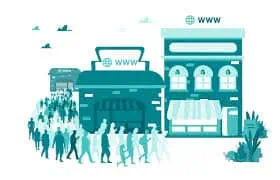
Types of Traffic: Organic vs Paid
Traffic can broadly be categorized into two main. These include:
- Organic traffic, which refers to visitors who find your website through search engines like Google without you paying for ads. This is crucial for long-term, sustainable growth.
- Paid traffic, which involves using paid ads on platforms like Google’s Ads and Meta to drive to your store. While paid ads can provide immediate results, they require ongoing investment.
Both organic and paid are essential components of a well-rounded marketing strategy for any store. Understanding the nuances of each one allows for better resource allocation and improved overall Shopify growth.
Strategies to Scale Your Shopify Store
Proven Strategies to Scale Your Shopify Store
To truly scale your Shopify store effectively in 2026, a multi-faceted approach is essential. Store owners need to focus on optimizing every aspect of their online store, from the product page to the checkout process. Some crucial elements to consider are:
- Ensuring your Shopify theme is fast and mobile-friendly, as a slow website can lead to lost sales and a lower rate.
- Offering free shipping or other incentives to encourage repeat purchases and boost many sales.
Leverage Shopify apps that enhance functionality, such as improved search, product filtering, and customer support. Regularly analyze your Shopify analytics to understand customer behavior and identify areas for improvement. By implementing these best practices, you can scale your Shopify store and ensure long-term growth.

Best Practices for Increasing Traffic
To increase traffic to your Shopify store in 2026, consider these key strategies:
- Focus on search engine optimization (SEO) to drive organic traffic to your website.
- Utilize content marketing to provide valuable information to your audience.
- Ensure your Shopify’s website is mobile-friendly and provides a seamless user experience.
Run paid ad campaigns on platforms like Google Ads and Meta to target specific demographics and interests. Conduct keyword research to identify the terms your target customers are using and incorporate them into your product page descriptions and blog content, which can improve your search engine rankings and attract more qualified.
Utilizing Shopify Marketing Strategies
Effective top Shopify marketing growth strategies are essential for driving, improving rates, and increasing sales in 2026. Leverage email marketing to nurture leads and encourage purchases. Use social media to engage with your audience and promote your products. Consider influencer marketing to reach a wider audience and build trust. Utilize Shopify apps to automate marketing tasks and personalize customer experiences. Run targeted ads on Google Ads and Meta to drive to your online store. Offer free shipping, discounts, or other incentives to encourage purchases.
Enhancing Conversion Rates in 2026
Understanding Shopify Conversion Rate
The Shopify rate is a critical metric for any Shopify store 2026. It represents the percentage of website visitors who complete a desired action, such as making a purchase. A high Shopify’s conversion indicates that your Shopify website is effective at turning into sales in 2026. Owners must understand the factors influencing their Shopify’s conversion to scale your store effectively. Optimizing product page design, improving website speed, and streamlining the checkout process are all strategies for 2026 to boost sales. Monitoring your Shopify analytics will provide valuable insights into user behavior and identify areas for improvement to increase the conversion.
High-Converting Shopify Product Pages
High-converting Shopify product pages are essential for maximizing sales and growing your Shopify brands 2026. An optimized product page should feature high-quality images, detailed product descriptions, and clear calls to action. Showcase customer reviews to build trust and credibility. Ensure your product page is mobile-friendly and loads quickly. Consider offering free shipping or discounts to incentivize purchases. A/B test different elements of your product page, such as headlines and button colors, to identify what resonates best with your audience. By focusing on creating the best Shopify’s product pages, you can significantly improve your Shopify’s conversion and drive more sales.
Techniques to Increase Conversion Rates
There are numerous techniques to increase conversion and get more sales and scale your Shopify store in 2026. Start by optimizing your website’s user experience to ensure it is easy to navigate and visually appealing. Implement trust badges and security certifications to reassure customers. Offer multiple payment options and a seamless checkout process. Use persuasive copy writing to highlight the benefits of your products. Provide excellent customer support to address any concerns or questions. Personalize the shopping experience by recommending relevant products and offering targeted promotions. By implementing these best practices, you can effectively scale your Shopify store and improve your Shopify business and Amazon also .
Marketing Strategies for Growth in 2026
Driving Traffic with Effective Marketing
To effectively in <2026>, a robust plan is essential to to your . must leverage a mix of generation and to the best results. Search optimization (SEO) remains a cornerstone, ensuring your ranks high in results to . Content that provide value and answer customer questions can also organically to your . Furthermore, on platforms like and can provide immediate visibility and targeted to your , contributing significantly to . These efforts are critical for ensuring that your can the anticipated surge in <2026> and beyond.
Leveraging Social Media for Shopify Growth
Social media platforms offer immense potential for . In <2026>, using social media for involves more than just posting product updates; it’s about building a community and engaging with potential customers. should focus on creating compelling content that resonates with their target audience, utilizing features like live shopping, interactive stories, and influencer collaborations to in new customers. Running targeted on platforms like can also significantly visibility and to your . By understanding the nuances of each platform and tailoring your accordingly, you can effectively and foster lasting customer relationships to .
Implementing Email Marketing for Repeat Purchases
Email remains a powerful tool for nurturing leads and fostering behavior. Segmenting your email list based on customer behavior and preferences allows you to send targeted messages that resonate with each individual. Offering exclusive discounts, early access to new products, and personalized recommendations can incentivize customers to return to your . Automating email campaigns, such as welcome emails, abandoned cart reminders, and post-purchase follow-ups, ensures consistent communication and enhances the customer experience. By leveraging email effectively, can customer loyalty and , contributing to the overall and success of their .
Monitoring and Analyzing Performance
Tracking Shopify Store Metrics
Monitoring key metrics is crucial for understanding the performance of your and identifying areas for improvement. provides valuable insights into sources, , sales trends, and customer behavior. Tracking metrics like bounce rate, time on page, and cart abandonment rate can help you pinpoint bottlenecks and optimize the user experience. Regularly reviewing these metrics allows to make data-driven decisions and refine their to more effectively. By keeping a close eye on performance indicators, you can ensure that your is operating at its full potential and achieving its goals.

Using Analytics to Drive Decisions
are not just for tracking metrics; they’re a powerful tool for informing strategic decisions. By analyzing patterns, data, and customer demographics, can gain a deeper understanding of their target audience and their preferences. This information can be used to optimize designs, refine , and personalize the shopping experience. A/B testing different elements of your and analyzing the results can help you identify what resonates best with your audience and your . By using to decision-making, you can ensure that your is constantly evolving and improving to meet the needs of your customers and then can scale your Shopify store.
Adjusting Strategies Based on Data
The e-commerce landscape is constantly evolving, so it’s essential to be adaptable and adjust your based on data. Regularly review your to identify trends and patterns, and use this information to refine your approach. If a particular isn’t performing as expected, don’t be afraid to pivot and try something new. Continuously experiment with different tactics and track the results to see what works best for your . By being proactive and responsive to data insights, you can ensure that your stays ahead of the curve and continues to business in the dynamic <2026> marketplace. This will help you and .
Private Agent for Dropshipping Success