
You found a new supplier two weeks before your biggest sales window of the year, and you have roughly seven days to decide whether to trust them with your inventory. Rush the decision and you risk a container of defective stock landing in week three of a campaign you already paid to promote. Skip the decision entirely and you miss the window altogether.
Neither option works. What actually works is a tight, seven-day vetting process that checks the handful of things that predict supplier failure, instead of trying to replicate a six-month audit in a week.
Key takeaways
- 7 days is enough time to check business license, samples, and shipping terms — not enough time to skip any of them.
- A registered business license and a matching company name on the invoice are the fastest fraud filter you have.
- A 48-hour sample test catches the defects that a factory’s own photos will never show you.
- Landed cost, not the factory quote, is the number that decides your margin — Section 301 and Section 122 duties apply whether you plan for them or not.
- A trial order sized at 10-15% of your expected peak volume limits your downside while you confirm the relationship.
Why rushing a new supplier before peak season backfires
A defect that shows up in week three of a product launch does not just cost you the unit price. It costs the ad spend that drove the order, the customer who will not reorder, and the chargebacks that follow.
Across the batches we inspect every week, the pattern is consistent: suppliers that fail do not fail on price, they fail on consistency between the sample they sent and the bulk order they shipped.
The cost of vetting a supplier for a week is small. The cost of not vetting one shows up three weeks later, in your refund rate.
Day 1-2: verify the business license and company identity
What a real business license looks like
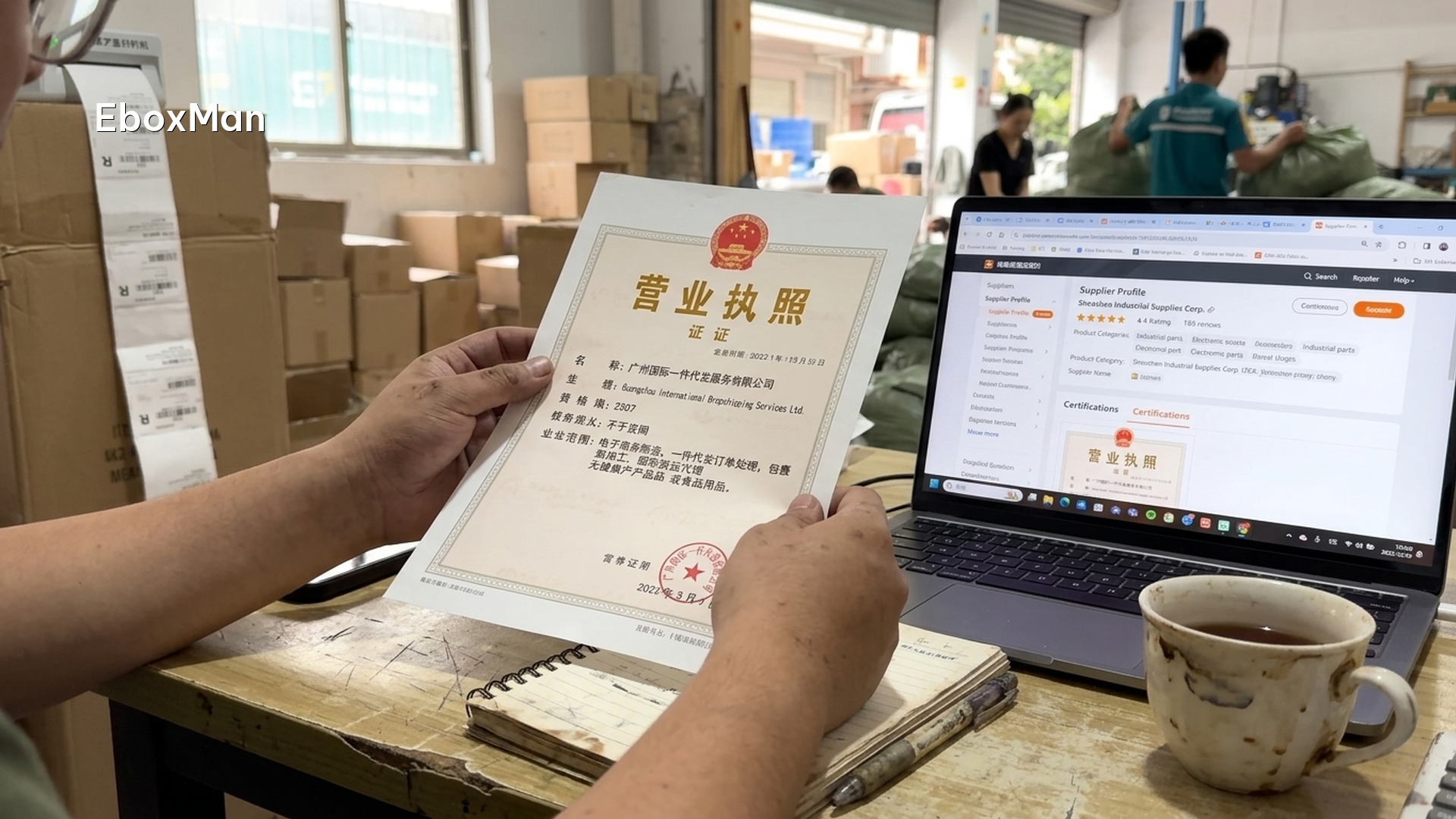
Every legitimate manufacturer or trading company in China holds a business license with a registered name, a unified social credit code, and a registered address. Ask for a photo of it and check that the company name matches the name on the invoice and the bank account you will wire to.
Cross-checking beyond the sales pitch
A supplier profile on a sourcing platform like Alibaba is a starting point, not proof. Cross-reference the registered company name against China’s national enterprise credit information system, and ask if they have exhibited at a trade show such as Canton Fair — a real booth history is harder to fake than a profile page.
Pro tip: ask for a short video call with the factory floor visible in the background, not just a staged showroom. A supplier with nothing to hide will usually say yes within a day.
Day 3-4: order samples and run your own quality control
What to test in 48 hours
Order two to three units through the actual checkout path a customer would use, not a free sample sent directly by the factory. Test stitching, seals, electronics function, and packaging integrity, and photograph everything the moment it arrives.
Why this matters more before peak season
Peak season orders ship in volume, under time pressure, often from a second or third production run. The sample tells you what the factory can do, not what it will do at 500 units a day. When our QC desk photographs a batch before dispatch, the defects we flag are almost always the same ones a rushed sample check would have missed: loose stitching, mismatched color lots, and cracked seams under the tape.
Day 5: request a video audit, not just photos
Photos can be cropped, borrowed, or staged. A short video of your actual order, taken on the factory floor with today’s date spoken on camera, is far harder to fake and takes a supplier five minutes to send.
If a supplier can send a dated video of your order within a day, they are organized enough to handle peak season. If they stall, that is the answer too.
Watch out: a supplier pushing a cheap shipping route that skips formal customs clearance is offering you a shortcut that risks seizure or a dark tracking number, not a discount. See our breakdown of the risks of fake shipping labels.
If you want the tariff-inclusive number for your exact SKU before you commit to a new supplier, send it through our quote form — we reply within 24 hours.
Day 6: get the real landed cost, not the factory quote
The factory quote is never the number that hits your margin. De minimis under $800 is gone for China-origin parcels, which means every shipment into the US needs formal customs entry, and Section 301 duties of 25% on most goods (7.5% on List 4A items) plus a Section 122 surcharge of 15% apply on top of the product cost. Our full breakdown of the math is here: landed cost under Section 301 and Section 122.
Ask every candidate supplier whether they ship DDP or DDU. DDP means duties are paid before the parcel reaches your customer’s door, which is the only version of “one price” that does not surprise anyone at delivery.
| Sourcing path | Sample turnaround | QC visibility | Landed cost clarity | Best fit |
|---|---|---|---|---|
| Marketplace platform | 3-7 days | Seller-reported | Factory quote only | Under ~10 orders/day |
| Shared-warehouse supplier | 2-5 days | Shared, batch-level | Often DDU | Fast-testing new SKUs |
| Direct factory via sourcing agent | 2-4 days | Photo/video per batch | Single DDP price | 50-500+ orders/day |
Day 7: place a trial order sized for peak season, not full season
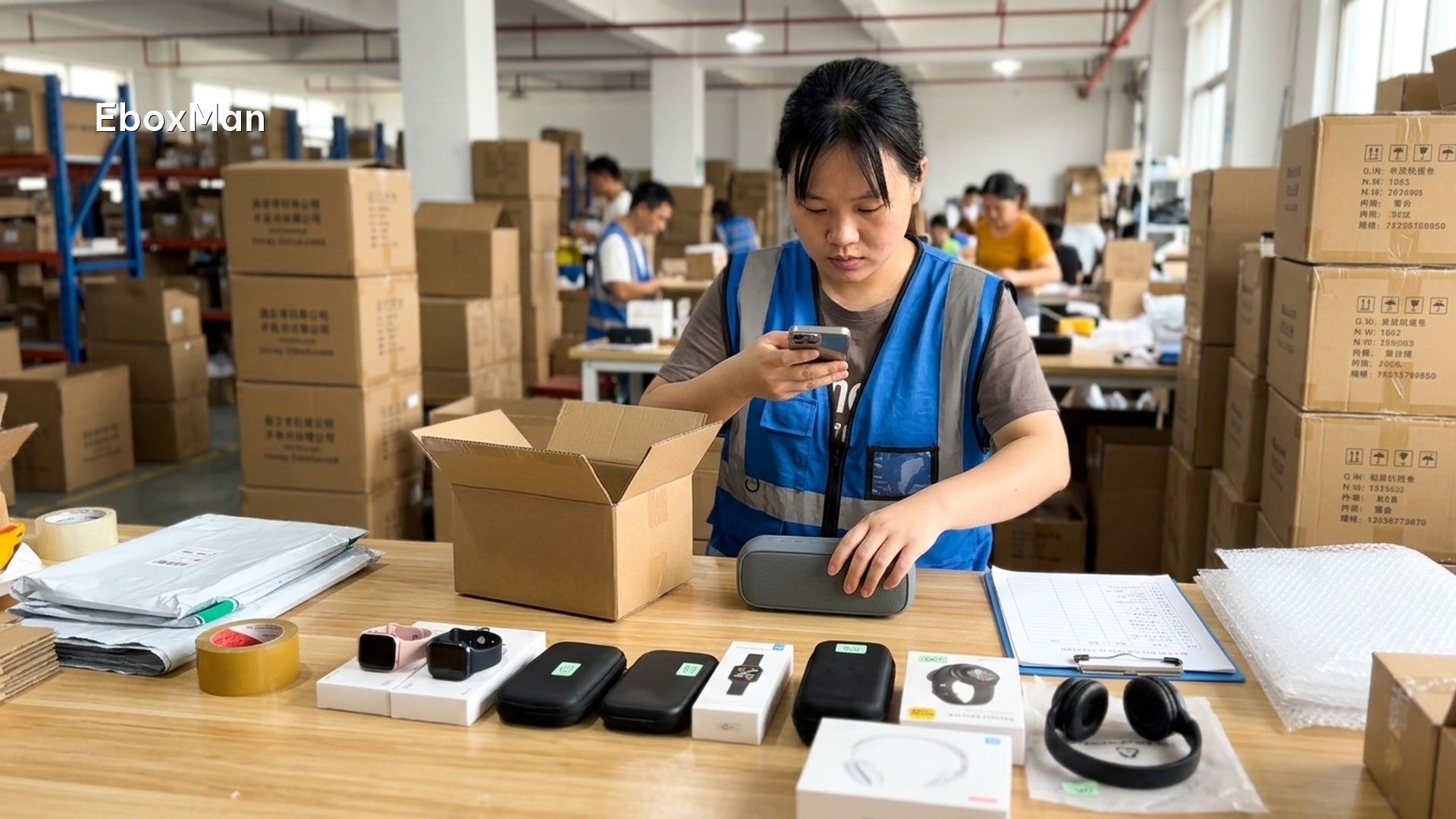
Size the first real order at 10-15% of what you expect to move at peak. This is large enough to test production consistency and small enough that a defect rate problem does not wipe out your season’s margin.
The 7-day checklist
- Collect and verify the business license and registered company name (Day 1-2)
- Cross-check the supplier’s platform profile and trade show history (Day 1-2)
- Order samples through the real checkout path and inspect on arrival (Day 3-4)
- Request a dated video audit of your actual order on the factory floor (Day 5)
- Confirm DDP terms and calculate your real landed cost per unit (Day 6)
- Place a trial order sized at 10-15% of peak volume (Day 7)
A pattern we see often
A mid-size home goods seller came to us two weeks before Black Friday with a new factory quote that looked 18% cheaper than their current supplier. Running the DDP math including Section 301 and Section 122 brought the real landed cost within 3-4% of what they already paid, and photo QC on the first batch caught a hinge defect in roughly 1 in 12 units before it shipped. They kept the new factory for a secondary SKU and avoided a defect-return rate that could have run 8-10% during their highest-traffic week.
When one week is not enough
If you are testing a brand-new product category with no sales history yet, a marketplace platform or a small sample order is often the better first move — committing a week of vetting to a product you have not validated yet is the wrong order of operations. Vet hard once demand is proven, not before.
Frequently asked questions
How do I verify a China supplier’s business license quickly?
Ask for a photo of the license and check the registered company name against China’s national enterprise credit information system. Confirm the invoice and bank account name match the license exactly before wiring any deposit.
Is one week really enough to audit a new supplier?
It is enough for a focused check: identity, samples, a video audit, and landed cost. It is not enough for a full factory audit with on-site inspection, which is better suited to larger, longer-term orders.
What duties apply to a new China supplier’s shipments into the US?
Most goods face a 25% Section 301 duty (7.5% for List 4A items) plus a 15% Section 122 surcharge, and every parcel now requires formal customs entry since de minimis no longer applies. A licensed customs broker can confirm the exact HTS classification for your specific product.
Should I use a sourcing agent instead of vetting a factory myself?
A sourcing agent absorbs the license checks, sample runs, and batch QC on your behalf, which is worth the margin once you are past roughly 50 orders a day. Below that volume, running the checklist yourself is usually the more economical choice.
If peak season is close and you want a supplier that has already been through this process, EboxMan has operated this way since 2019, running photo and video QC on every batch before it ships and quoting one DDP price with Section 301 and Section 122 duties already included. Send us your SKU and volume and we will reply within 24 hours.
Private Agent for Dropshipping Success