
Every November, the same support ticket shows up in dropshipping forums: a customer refused a package because DHL or the postal carrier asked for an extra $18 at the door. The seller never saw that fee coming. Their supplier quoted a shipping cost, not a landed cost, and the gap between the two just became the seller’s problem.
This is the ddp vs ddu dropshipping question in its rawest form: when Q4 volume triples, who actually pays the customs bill, and what does it cost you when the answer is “the customer, badly, after the sale is already made”?
Key takeaways
- Section 301 duties run 25% on most goods (7.5% on List 4A items), plus a 15% Section 122 surcharge — under DDU, the customer owes this at the door.
- de minimis on $800 is dead; every China-to-US parcel now needs a formal customs entry, no exceptions by order value.
- DDP bakes duties into one per-unit price before the parcel ships; DDU bills whoever opens the door, weeks after the sale.
- In Q4, customs backlogs turn a small DDU gap into a wave of refused parcels and chargebacks during your highest-volume weeks.
Why Q4 volume turns a shipping term into a cash problem
At low order counts, a DDU shipment that gets held at customs is a one-off annoyance. At 200-plus orders a day in late November, the same gap compounds across hundreds of parcels in the same customs window.
Carriers and customs offices slow down exactly when your volume peaks, which means duty-unpaid parcels sit longer, customers wait longer, and more of them refuse the bill when it finally arrives.
The parcel doesn’t fail at the warehouse. It fails three weeks later, at a stranger’s front door, holding a bill nobody warned them about.
DDP vs DDU dropshipping: what the two incoterms actually mean
These are standard incoterms used across international shipping, not dropshipping-specific jargon, but they decide who is responsible for paying import duties and tax on every parcel.
Delivered duty paid (DDP)
Under DDP shipping, import duties and tax are calculated and paid before the parcel is released to the carrier for final-mile delivery. The customer sees one price at checkout and pays nothing extra on delivery.
Delivered duty unpaid (DDU)
Under DDU shipping, duty remains unpaid when the parcel leaves the origin country. Customs clearance happens on arrival, and the customer (or the receiving carrier, who then bills the customer) covers it before the box is handed over.
Watch out: a cheap-looking DDU rate often hides the real cost. The duty didn’t disappear — it moved to checkout day one, or to your customer’s doorstep.
Who ends up paying when volume spikes
On paper, DDU means the customer pays. In practice, during Q4, it means you pay twice: once in refused parcels, once in support hours spent explaining a bill you never priced in.
A customer who already paid for shipping at checkout, then gets asked for more money a week later, refuses the package roughly as often as not. That parcel becomes a return-to-origin cost, a lost sale, and sometimes a chargeback, all landing in your highest-volume, lowest-slack month of the year.
Understanding your real landed cost — product cost plus Section 301 plus Section 122 plus freight — before you set a retail price is what keeps this from happening. It is not optional math anymore; it is the number your Q4 margin depends on.
DDU does not avoid the duty. It just decides who gets surprised by it, and when.
The de minimis change nobody can route around anymore
For years, orders under $800 cleared the US without formal entry or duty. That exemption is gone. Every parcel from China now needs formal customs clearance, regardless of declared value.
That means Section 301 duties — 25% on most goods, 7.5% on List 4A items — and the 15% Section 122 surcharge apply to a $12 phone case the same as a $200 appliance. There is no longer a value threshold to hide under.
Pro tip: look up the HTS code for your actual SKU (not a close substitute) through the US ITC’s HTS search tool before you set a Q4 price — duty rates vary by code, and guessing costs margin either way.
DDP vs DDU shipping cost comparison in Q4
| Factor | DDP shipping | DDU shipping |
|---|---|---|
| Duty paid | Before dispatch, one price | On arrival, billed to customer |
| Checkout price | Includes duty, no surprise | Looks lower, incomplete |
| Q4 refusal risk | Low, duty already settled | Rises with customs backlog |
| Customs clearance | Formal, done upfront | Formal, done at delivery |
| Who gets the bill | Baked into your unit cost | Your customer, late |
What we see across the orders we process
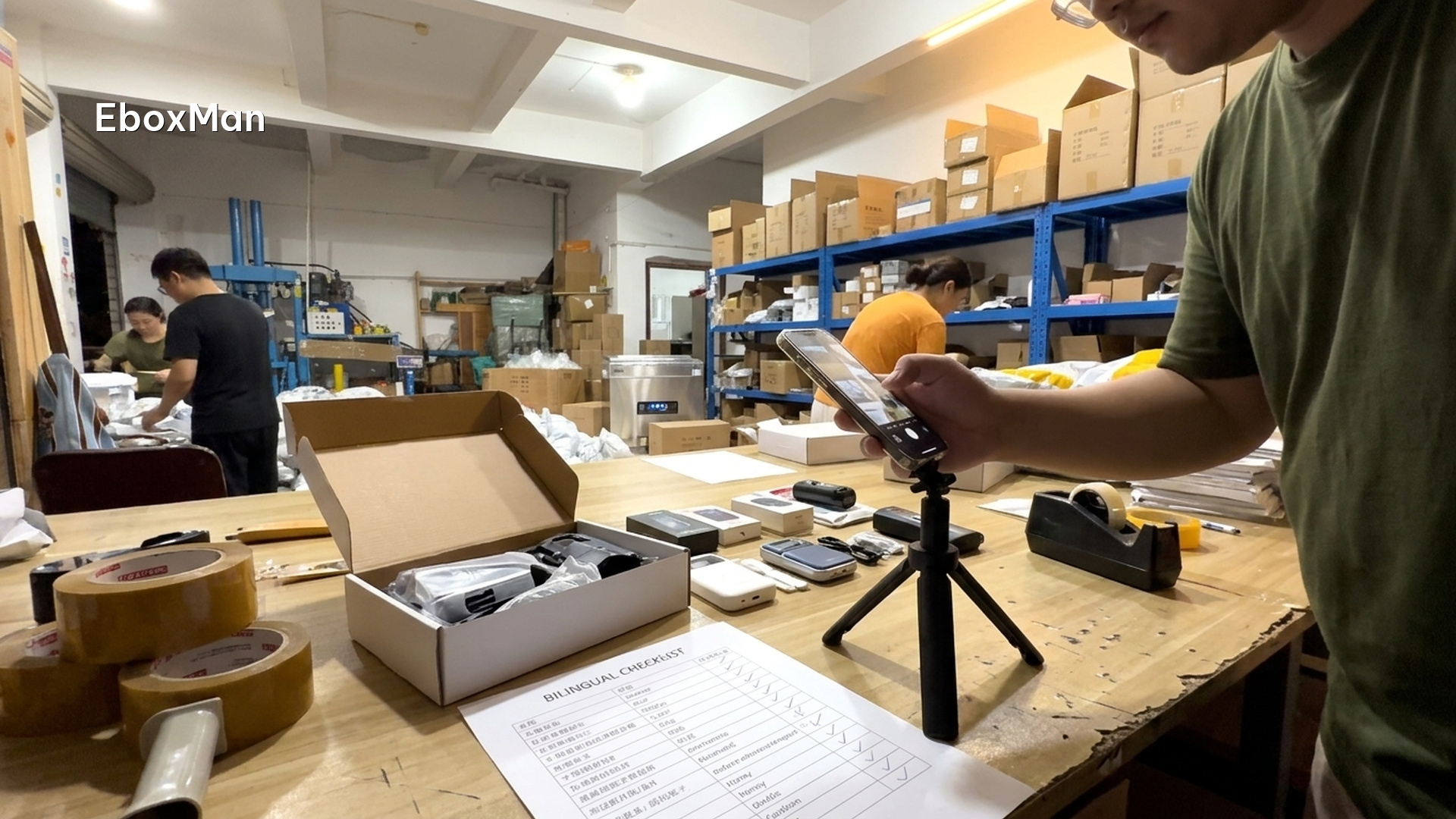
Across the orders we pack every day, the pattern we keep seeing is sellers who switched suppliers mid-Q4 after a DDU batch backed up at customs in early November. One seller running a shared-warehouse supplier on DDU saw refusal rates climb from roughly 3% to 9-11% once holiday volume hit, with return-to-origin fees eating the margin on every bounced box.
After moving that SKU to a DDP shipping line, landed cost per unit settled in the $4-7 range above the old “shipping only” quote, but refusals dropped back under 3% and delivery held at 6-12 days door-to-door. The duty didn’t go away. It just stopped being a surprise.
If you want the tariff-inclusive number for your exact SKU before Q4 locks in, send it through our free sourcing quote form — we reply within 24 hours.
When DDU still makes sense
DDU is not wrong in every case. If you are shipping under 10 orders a day and testing products, a marketplace platform’s built-in DDU handling can be simpler and cheaper to start with than setting up a dedicated DDP line.
It also still fits intra-region shipments that never cross a customs threshold in the first place, which is a genuine strength of shared-warehouse and marketplace models at low volume.
Before Q4, run through this checklist with your current supplier:
- Ask directly: is this DDP or DDU, in writing?
- Ask for the per-unit landed cost, duty included, not just the shipping rate.
- Ask which carrier handles final-mile clearance (DHL, YunExpress, Yanwen, postal) and their average Q4 delay.
- Ask what happens, exactly, if a parcel is refused at delivery — who eats the return-to-origin cost.
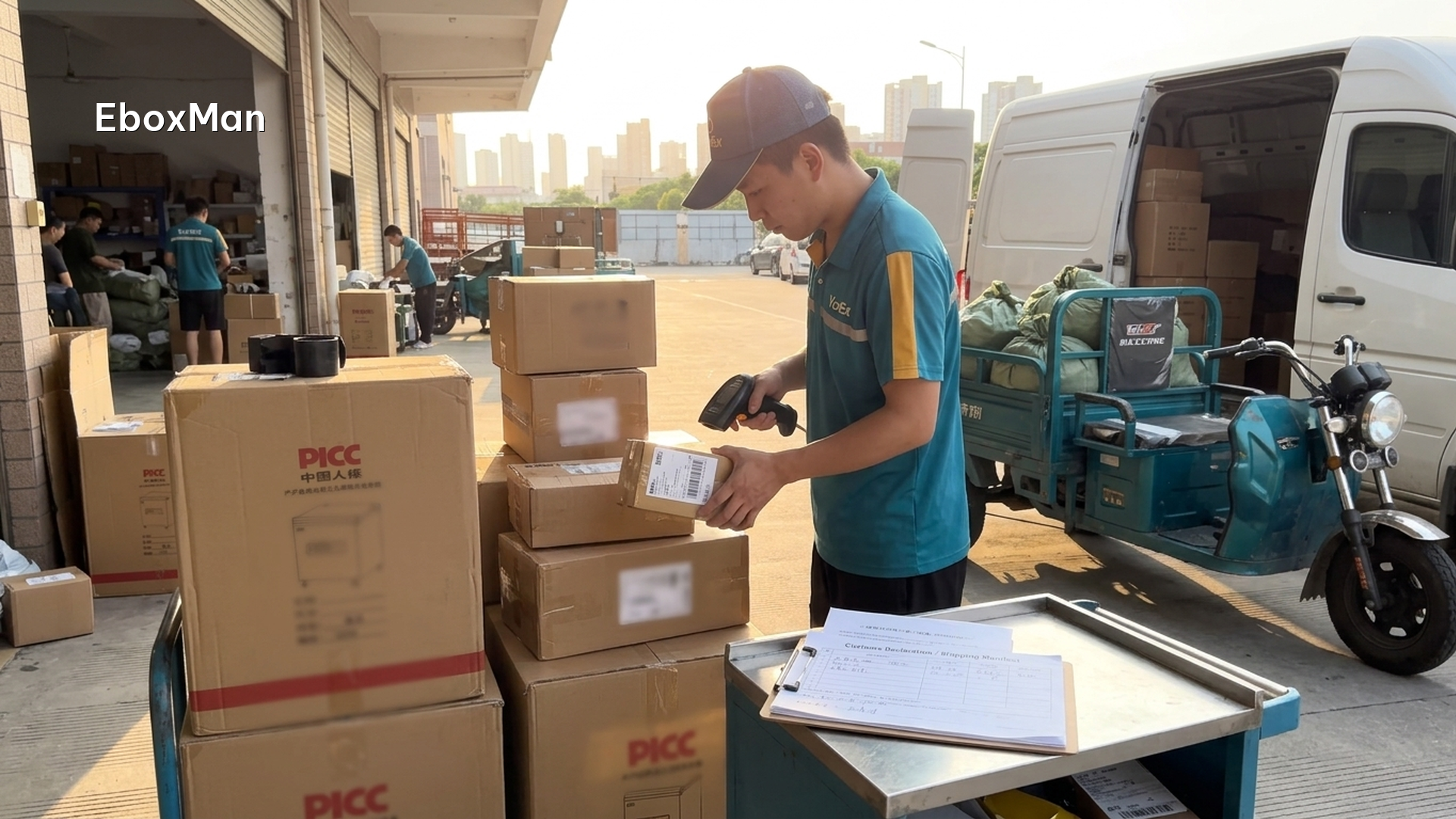
EboxMan ships DDP on shipping lines that clear US customs formally — duties paid before delivery, included in your per-unit price, no bill at the customer’s door. We’ve worked this way for sellers across the US, UK, EU, AU, and CA since 2019, at 10,000-plus orders a day.
Frequently asked questions
What is the difference between DDP and DDU in dropshipping?
DDP means duties are paid before the parcel reaches the customer, so the checkout price is final. DDU means duties are settled at delivery, which can mean an extra bill or a refused package.
Who is responsible for paying import duties under DDU shipping?
The customer, or whoever accepts the parcel, pays the duty at the point of delivery. If they refuse, the parcel returns to origin and the seller usually absorbs that cost.
Does de minimis still apply to low-value orders?
No. The $800 de minimis exemption no longer applies to shipments from China, so every parcel needs formal customs clearance regardless of its declared value.
Can I switch a product line from DDU to DDP mid-Q4?
Yes, but give your supplier or agent a few days to route new orders through a DDP shipping line before volume peaks. For edge cases involving specific product classifications, a licensed customs broker can confirm the applicable duty rate.
If Q4 is close and you still don’t have a tariff-inclusive number for your top SKUs, that’s the first thing to fix. Send your product list through our quote form and we’ll get back to you within 24 hours with one price, duties included.
Private Agent for Dropshipping Success