
Black Friday 2026 falls on November 27, and the sellers who run out of stock by Saturday usually didn’t lose on ad spend. They lost on an order date in October that nobody wrote down. Between your payment and your shelf sit factory processing, carrier transit, a Chinese national holiday, and your own receiving time.
This guide works backward from November 27 using our standard timings (2-3 days processing, 6-12 days door-to-door shipping) and gives you three order-by dates, plus the buffer we’d add before trusting any of them.
Key takeaways
- Black Friday is November 27, 2026; Cyber Monday is November 30.
- Pay by October 22 to have stock in hand by November 13, even if shipping runs at the slow end.
- Payment to doorstep is 8-15 days (2-3 processing plus 6-12 shipping); we add a 7-day buffer on top.
- An untested product needs a sample paid by about October 8 to leave time for a decision.
- The last realistic top-up order is paid by November 5, and it only covers Cyber Monday and later.
Black Friday 2026 order-by dates at a glance
“In hand” means units delivered to your address or your fulfillment center, counted and ready to pick. It doesn’t mean “shipped” or “in transit.” Many shoppers start holiday shopping in the first half of November, so stock that arrives the Wednesday before Black Friday misses those early orders entirely.
| Stock in hand by | Typical case: paid by (11 days) | Worst case: paid by (15 days) | Recommended: paid by (15 + 7 buffer) |
|---|---|---|---|
| Nov 6 (safe) | Oct 26 | Oct 22 | Oct 15 |
| Nov 13 (target) | Nov 2 | Oct 29 | Oct 22 |
| Nov 20 (tight) | Nov 9 | Nov 5 | Oct 29 |
Your real deadline isn’t Black Friday. It’s the date your payment clears, and that date is in October.
How the dates are built: the timeline math
Typical case: 11 days
Processing runs 2-3 days after payment, and US delivery averages about 8 days on YunExpress and Yanwen labels. Take the top of the processing range and the average transit, and you get 11 days. That column is a plan for a calm month, and November isn’t one.
Worst case: 15 days
Three days of processing plus the slowest 12-day door-to-door delivery equals 15 days. This is the number to plan against, because a late pallet on the 14th day costs you a sales weekend.
The 7-day buffer
The buffer pays for three things: a batch that fails QC and gets reworked at the factory, carrier volume rising in November, and your own receiving and listing time. If you work with a sourcing agent, ask for current processing times when you place the order, since peak weeks can run slower than the standard range.
Pro tip: Split your order. Put 60-70% of your expected Black Friday units in the October 22 batch and keep the rest for a top-up once early sales tell you which SKUs are moving.
China calendar traps that eat your buffer
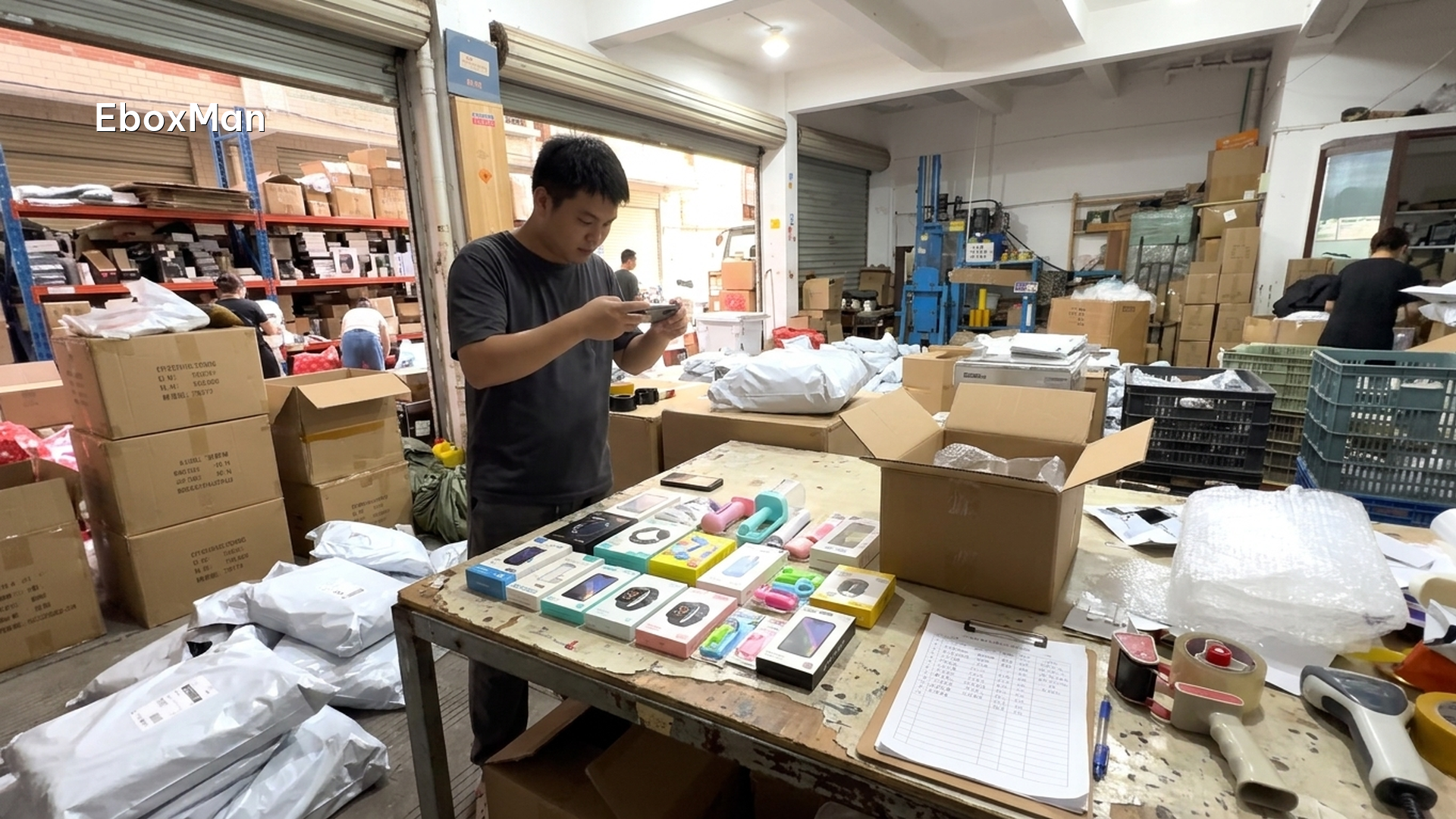
Golden Week, the national holiday that typically runs October 1-7, slows or stops many factories. An order paid in the last week of September may not start production until the following week. Singles’ Day on November 11 then pushes domestic courier volume in China, which can delay parcels moving between factory and warehouse.
Order before Golden Week if you can, because the same batch ordered a week later can sit idle through the holiday.
Watch out: “Order-by” means payment cleared, not invoice sent. A bank transfer that settles in 3 days moves your October 22 deadline to October 19.
Your countdown checklist
- Late September: shortlist products and request quotes (we reply within 24 hours, at most 48).
- Late September to October 8: pay for samples of anything you haven’t touched yourself.
- Decide on packaging or private label early. Custom packaging adds time beyond the standard 2-3 days, and MOQs apply.
- October 22: payment cleared for the main batch.
- Within 24 hours of the QC photos arriving: approve or reject the batch.
- November 13: counted, photographed, listed, and ready to ship.
What a two-week head start looks like in practice
Here is a situation we see every autumn, anonymized. A Shopify seller doing roughly 80 orders a day in home organization paid in the first week of November one year. The stock reached their fulfillment center in the final days before Black Friday, and defect-related returns ran 7-9% because there was no time to act on anything.
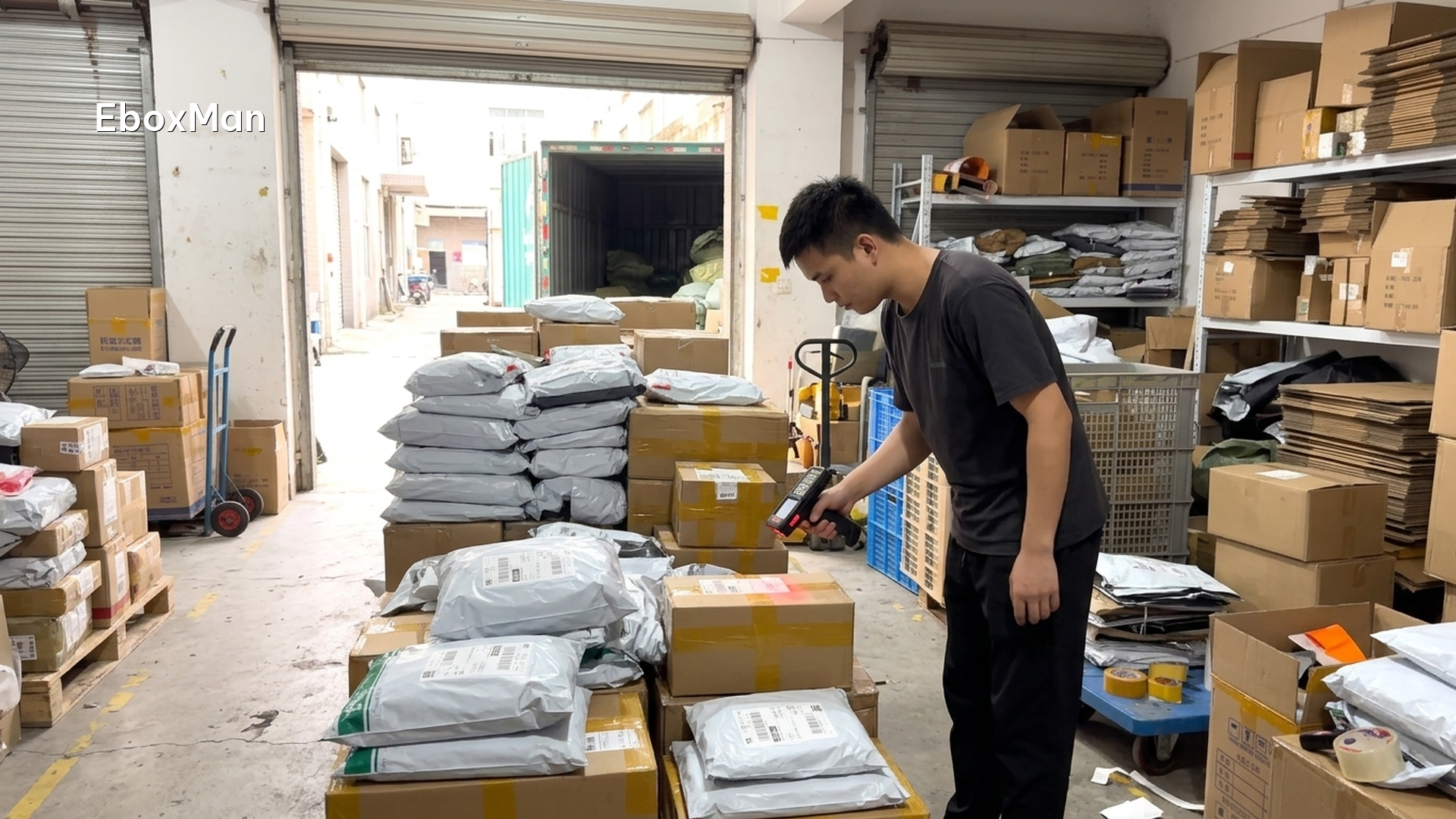
The next year they paid around October 20. When our QC desk photographed the batch before dispatch, one SKU showed a stitching fault, so the units were rejected at the factory and remade inside the buffer. Stock landed in the first week of November, and defect returns dropped to 2-3%.
A QC photo only has value if you still have days left to act on it.
Across the orders we pack, the pattern we keep seeing is that sellers who pay in early November have no room to respond to a QC finding. A flagged batch either ships anyway or misses the sale.
Duties and demand: what can change after you order
Since the de minimis exemption ended, every China-to-US parcel needs formal customs entry, so your landed cost depends on duties. Section 301 adds 25% on most goods (7.5% on List 4A), and the Section 122 surcharge adds 15%, on top of the base duty rate for your HTS code. On an $8 unit, that’s roughly $2.00 plus $1.20, or $3.20, before the base rate. Look up your own code in the USITC tariff search and confirm the Section 301 list your product falls under. For edge cases, ask a licensed customs broker.
Under DDP versus DDU, the difference becomes a customer service problem in November. We ship DDP on shipping lines that clear US customs formally: duties are paid before delivery, included in your per-unit price, and there’s no bill at your customer’s door.
Sellers also ask whether a stock market crash, or a weak consumer market generally, should change the plan. It changes how many units you order, not when. Cut quantity if you must, keep the date, and use a top-up paid by November 5, which typically lands around November 16 and in the worst case around November 20.
Market jitters change how many units you order, not how many days the parcel needs.
If you want the tariff-inclusive per-unit number for your exact SKU before you lock your October order, send it through our quote form and we’ll reply within 24 hours.
When this timeline does not apply
If you’re under about 10 orders a day, marketplace platforms and shared-warehouse suppliers with local US stock are often the better choice. They can ship in days, have no sample round, and suit last-minute tests. Their trade-off is thinner margins and less control over quality, but for a late experiment that trade is usually worth it.
Pure dropshipping direct to customers works differently too. A customer who orders on November 27 should expect delivery in 8-15 days, so December 5-12, and your checkout promise must say so. The cost of slow shipping shows up in chargebacks, not in your ad dashboard.
Frequently asked questions
What is the last order date for Black Friday 2026 stock?
For stock in hand by November 13, pay by October 22. The absolute latest is November 5, which gives November 20 delivery in the worst case and leaves no buffer for a QC problem.
Do processing times change in November?
Our standard is 2-3 days after payment. Peak volume is exactly why we recommend a 7-day buffer, and your agent can confirm current timing when you place the order.
Will my customers get a duty bill at delivery?
Not on DDP shipments. Duties are paid before delivery and included in the per-unit price you were quoted, so nothing is collected at the door.
Should I order everything at once?
Usually no. Ship 60-70% of your forecast in the October batch and hold the rest for a top-up once early sales show which SKUs are moving.
Operating since 2019 has taught us that Black Friday stock problems are almost always date problems, and they’re fixed in September, not November. If you tell us your SKUs and target in-hand date, we’ll send back a tariff-inclusive quote with an order-by date you can plan around. There’s no minimum order and no contract, and samples are supported if you need to test first.
Private Agent for Dropshipping Success