
Every year in late October the same message lands in seller inboxes: “Is my order stuck?” 11.11 doesn’t shut China down, but it squeezes the factories and domestic couriers behind your delivery promise, right when Facebook ad costs and Black Friday demand peak.
Below are the realistic numbers, where the delay actually appears, and what to do before the window closes.
Key takeaways
- Made-to-order production typically runs 3-7 extra days in the two weeks around 11 November.
- The domestic China courier leg, factory to warehouse, stretches from 1-3 days to roughly 3-6.
- International lines keep moving: 6-12 days door-to-door, about 8 to the US on average. Add a 2-4 day buffer for late November.
- Reorders placed by about 20 October usually clear before the squeeze.
- Section 301 (25% on most goods, 7.5% on List 4A) and Section 122 (15%) still apply to every China-to-US parcel.
What 11.11 actually does to Chinese supply chains
11.11 (Singles’ Day) is China’s biggest domestic shopping event. Factories and domestic couriers prioritize that local volume, and it arrives right after Golden Week (1-7 October), when many plants are already catching up on backlog.
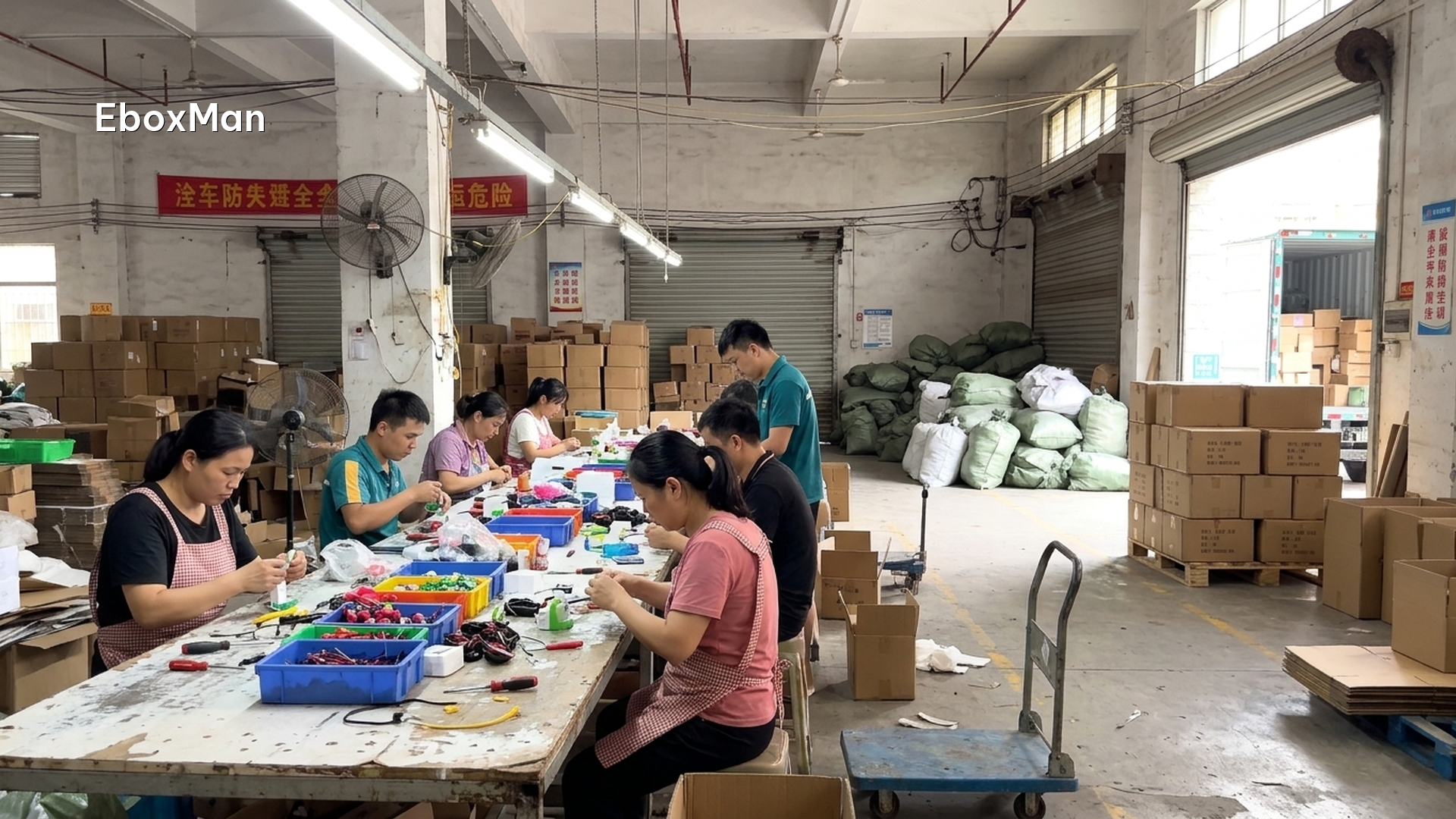
Across the orders we pack every day, the pattern we keep seeing is that nothing breaks on 11 November itself. The delay shows up one to two weeks earlier, when every seller reorders for Q4 at the same moment.
11.11 doesn’t stop factories; it pushes your order to the back of a longer line.
Factory delays: realistic numbers by order type
Ready-stock items
Standard catalog goods sitting on a shelf barely move. Expect pick-and-pack to go from 1-2 days to 2-4 days because warehouse labor is stretched.
Made-to-order and custom products
Anything produced after you pay, such as custom prints, private-label packaging, or colorways, is where delays bite. A 7-15 day lead time commonly becomes 10-22 days, and factories rarely warn you until the date has already passed.
| Stage | Normal | 11.11 to Black Friday | Your move |
|---|---|---|---|
| Ready-stock pick and pack | 1-2 days | 2-4 days | Reorder early |
| Made-to-order production | 7-15 days | 10-22 days | Order by about 20 Oct |
| Domestic courier, factory to warehouse | 1-3 days | 3-6 days | Ask for handover dates |
| International line, door-to-door | 6-12 days | 8-16 days | Set cutoffs on your store |
These are planning ranges from what we see across orders, not service commitments.
Watch out: a factory saying “ships in 3 days” between 25 October and 15 November is quoting its normal speed, not its peak speed. Ask for the date the parcel will be handed to the courier, in writing.
A factory’s quoted lead time is a normal-season number, so ask for a courier handover date instead.
Couriers: where the delay really sits
The domestic leg is the slow part
Chinese domestic couriers handle record parcel counts in the 11.11 window, and a factory-to-warehouse hop that normally takes 1-3 days can run 3-6 days. That leg happens before your tracking number even exists, so customers never see it, but it eats your delivery promise.
International lines hold up better
Cross-border lines like YunExpress and Yanwen run on separate capacity, so our standard 6-12 days door-to-door (about 8 to the US) mostly holds. The pressure comes later, when Black Friday and Cyber Monday volume reaches Western last-mile carriers, so a 2-4 day buffer is sensible for anything shipping after mid-November.
Pro tip: reserve your Q4 stock before 20 October and let it sit at your fulfillment point. A sealed carton waiting for your order is faster than any courier upgrade.
Customers never see the domestic leg, but it eats your delivery promise before the tracking number exists.
Duties don’t take a holiday
The de minimis exemption is gone, so every China-to-US parcel needs formal customs entry. Your landed cost includes Section 301 (25% on most goods, 7.5% on List 4A) plus the 15% Section 122 surcharge. You can look up your own HTS code in the USITC’s public search to see which rate applies.
With DDP, the shipment travels on lines that clear US customs formally, so duties are paid before delivery, included in your per-unit price, with no bill at the customer’s door. For a peak-season reorder, that predictability matters more than usual.
If you want the tariff-inclusive number for your exact SKU before you lock in a Q4 reorder, send it through our quote form; we reply within 24 hours.
Watch out: when the clock is tight, cheap routes with unofficial labels look tempting. They carry real seizure and tracking-dark risk, and that risk lands on you, not the factory.
Duties are the same for everyone who ships legally, so a cheaper-looking peak-season route is usually a risk you haven’t priced yet.
What a buffer looks like in practice
Here’s a composite of a situation we handle often. A Shopify seller doing 100-150 orders a day runs Facebook ads into Black Friday and reorders on 1 November. Processing slips to 6-8 days, delivery lands at 14-18 days, and 9-12% of orders turn into “where is my order” tickets or refunds.
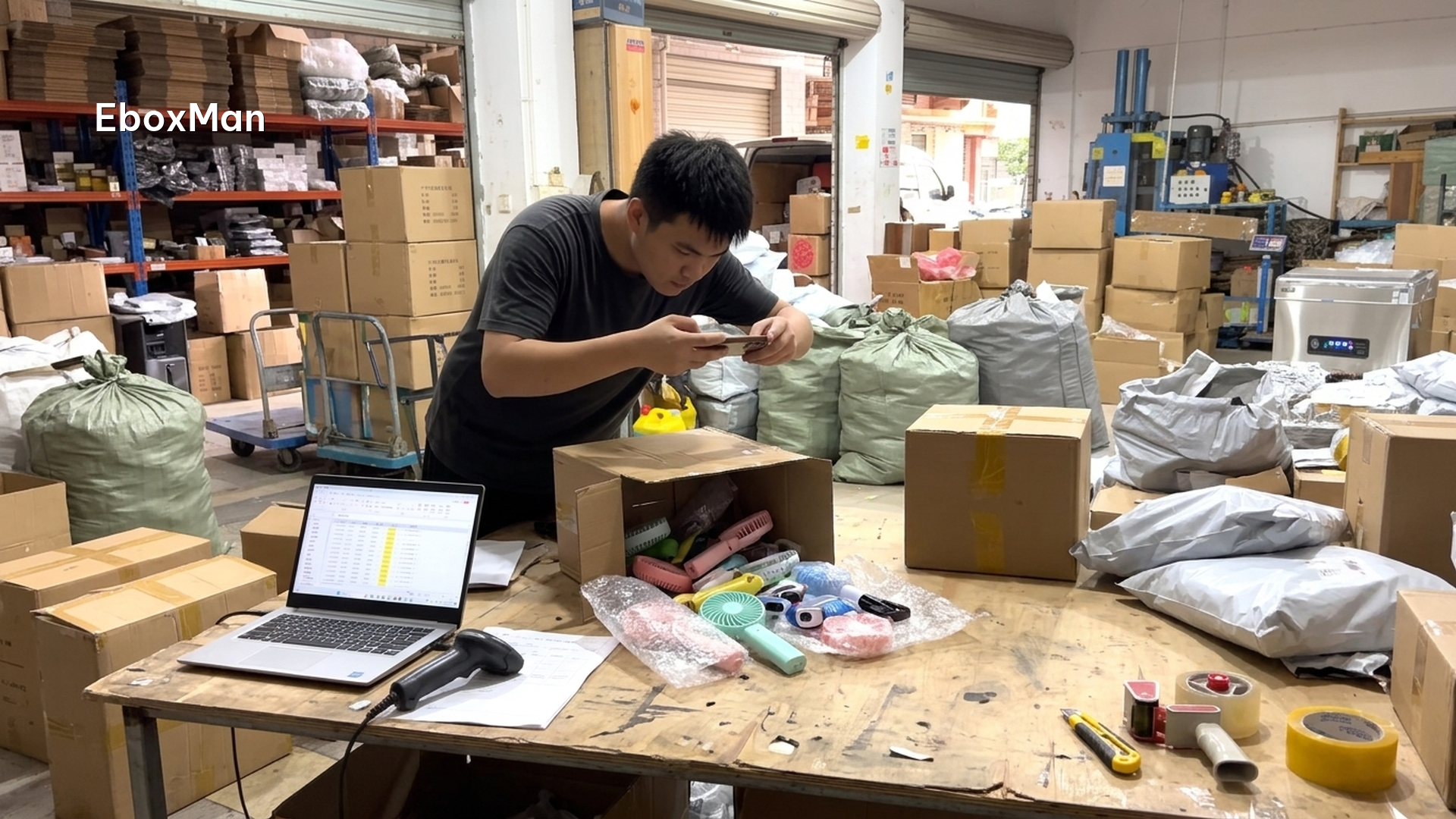
The next year, the same seller reorders the top five SKUs by 20 October, publishes cutoff dates on the store, and has each batch photographed by the QC desk before dispatch. Delivery sits at 8-12 days and tickets drop to 3-5%.
The common objection is that a sourcing agent adds cost in the busiest weeks. Run the sum: at 1,680 orders over two weeks and a $35 average order, a 5-point drop in refunds is roughly $2,900 kept, before reship costs. Compare that with whatever margin your agent charges.
The seller who reorders in mid-October and the seller who reorders on 1 November are buying two different delivery times.
Your 11.11 checklist
- Pull your top five SKUs by Q4 order volume and reorder them by about 20 October.
- Move custom or made-to-order items to the front of the queue, since they carry the biggest delay.
- Ask each supplier for a courier handover date, not a “production time.”
- Look up your HTS codes and recompute landed cost with Section 301 and Section 122 included.
- Publish order cutoff dates on your store and in Facebook ad copy.
- Keep 10-15% of Q4 stock in reserve for a second wave of demand.
- Tell customers early if an issue appears. A proactive message costs less than a chargeback.
When this advice doesn’t apply
If you sell popular catalog items at under about 10 orders a day, shared-warehouse suppliers and marketplace platforms are often the better fit, because they hold stock close to the buyer and one slow factory can’t stall you. The same goes for sellers with inventory already in a US or EU warehouse. This article matters most for sellers above that level, shipping direct from China into the Q4 peak.
Frequently asked questions
When should I place Q4 orders to avoid 11.11 delays?
Aim for about 20 October for made-to-order items and the first week of November at the latest for ready stock. Later orders can still ship, but expect the longer ranges in the table above.
Do international couriers stop during 11.11?
No. Cross-border lines keep operating, and most of the slowdown is on the domestic China leg before dispatch. The bigger international squeeze comes in late November.
Do Section 301 and Section 122 duties change during peak season?
Rates don’t change because of the season: Section 301 is 25% on most goods and 7.5% on List 4A, plus the 15% Section 122 surcharge. For edge cases on classification, talk to a licensed customs broker.
Can I switch to a faster route when my order is late?
You can upgrade within lines that clear customs formally, but avoid unofficial routes with fake labels. The few days you save aren’t worth a seized or tracking-dark parcel.
The sellers who get through 11.11 calmly are the ones who plan around the delay instead of hoping it skips them. If you’d like your Q4 reorder priced with duties included and a realistic delivery window, send us the SKUs through our free sourcing quote. A named agent replies within 24 hours.
Private Agent for Dropshipping Success