
Best Ecommerce Marketing Strategies for Your Store in 2026
As we move closer to 2026, the landscape of e-commerce is becoming increasingly competitive. To thrive, businesses need to adopt effective e-commerce marketing strategies. This article will explore some of the best marketing that can help your online stand out and achieve success. We will delve into the key components of a successful marketing and provide practical examples to guide your marketing.
Understanding Ecommerce Marketing Strategies
What is Ecommerce Marketing Strategies?
Ecommerce marketing is the process of promoting an e-commerce business and driving sales through online channels. It encompasses a range of marketing’s tactics designed to drive of traffic to your online, convert visitors into customers, and retain those customers over time. E-commerce marketing include digital marketing, social marketing, email marketing, content marketing, and search engine optimization. The goal is to increase conversion of rate, boost online visibility, and ultimately, drive revenue for your ecommerce. Essentially, e-commerce of marketing is about using the power of the internet to sell products and services.
Importance of Ecommerce Marketing Strategies in 2026
A strong ecommerce marketing strategies is more crucial than ever for e-commerce businesses. The online marketplace is becoming increasingly crowded, making it essential to stand out from the competition. Effective e-commerce’s marketing helps you reach your target audience, build brand awareness, and drive of traffic to your online shop. Without a well-defined marketing, it’s difficult to attract new customers and retain existing ones. Investing in e-commerce’s marketing ensures your e-commerce remains competitive and achieves sustainable growth. Digital marketing strategies will continue to evolve, demanding innovative approaches to capture consumer attention.
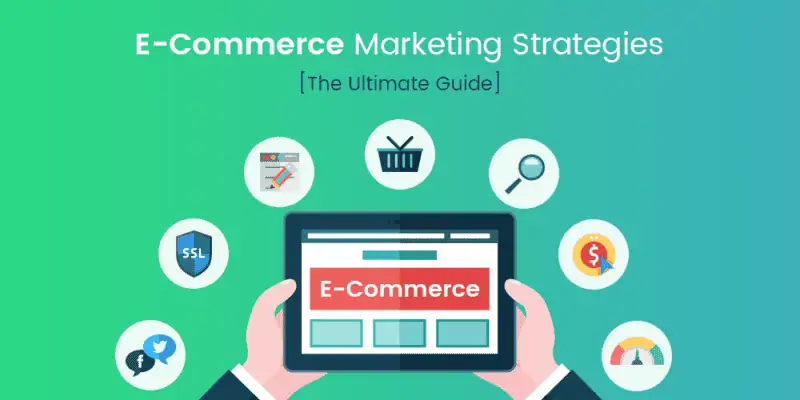
Key Components of a Successful Ecommerce Marketing Strategies
A successful ecommerce marketing strategies relies on several key components, with a comprehensive marketing at its core. This plan should incorporate various marketing, including:
- Search engine optimization (SEO) to improve your online visibility.
- Content marketing to engage and inform your audience.
- Email marketing for direct communication.
- Social media marketing to build brand awareness and foster customer relationships.
Furthermore, influencer marketing and affiliate marketing can be powerful tools to expand your reach. Analyzing your efforts and adjusting your strategy based on data is also a best practice for beginner.
Ecommerce Marketing Strategies for 2026
Latest Trends in Digital Marketing
As we approach 2026, the latest trends in digital marketing are reshaping the e-commerce landscape. One of the most significant shifts is the increased reliance on artificial intelligence (AI) to personalize customer experiences. Expect to see more e-commerce businesses using AI-powered chatbots, personalized product recommendations, and dynamic pricing. Augmented reality (AR) is also gaining traction, allowing customers to virtually try on products before making a purchase, which enhances the shopping experience. Social commerce is another rising trend, with social platforms becoming increasingly integrated with e-commerce platforms, enabling seamless shopping experiences within social apps. Keeping up with these digital marketing tips innovations is vital for creating effective marketing.
Innovative Marketing Tactics for Ecommerce
To stand out in the competitive e-commerce’s market, innovative marketing tactics are crucial. Several approaches can significantly enhance your strategy:
- Leveraging user-generated content (UGC) through social media marketing, encouraging customers to share their experiences with your products and services. This builds trust and authenticity.
- Creating interactive content, such as quizzes and polls, that engage your audience and provide valuable data about their preferences.
- Focusing on micro-influencers who have a highly engaged, niche audience.
- Personalized email campaigns that are tailored to individual customer behavior can also significantly boost conversion of rates and drive of traffic to your store.
Employing these innovative tactics as part of your e-commerce can lead to e-commerce success.

Examples of Effective Marketing Strategies
Several e-commerce businesses have already demonstrated the power of effective marketing. For instance, consider a clothing store that uses influencer to promote their latest collections through visually appealing content on Instagram. Another example is an e-commerce business that implements a robust email campaign, segmenting its audience based on past purchases and sending personalized product recommendations and exclusive offers. A successful e-commerce also involves optimizing your store for mobile devices, ensuring a seamless shopping experience for the growing number of mobile users. These examples highlight the importance of combining various marketing channels and continuously analyzing your efforts to refine your strategy and drive of traffic and see an increase in your conversion’s rate.
Driving Traffic to Your Online Store
To drive of traffic in 2026, build a strong e-commerce that blends digital, social media, email and content into a clear marketing that targets online shoppers and boosts ecommerce sales; use social media platforms and media platforms to run marketing campaigns and social media posts that promote your products, partner with influencers through influencer and affiliates via affiliate, optimize your ecommerce website for search engine visibility, and apply marketing automation and marketing tools to improve conversion of rate and streamline promotion across channels—these effective e-commerce, combined with best practices, performance tracking and a focus on online marketplaces like Amazon.
SEO Strategies for Ecommerce Websites
To effectively drive of traffic in 2026, a robust search engine optimization (SEO) strategy is essential. This involves several key actions, including:
- Optimizing your store for relevant keywords that your target audience is actively searching for.
- Improving your website’s structure, meta descriptions, and image alt-text to enhance search tool rankings.
High-quality content, including blog posts and product descriptions, plays a crucial role in attracting organic traffic. Mobile optimization is also critical since a significant portion of e-commerce traffic comes from mobile devices. Monitoring your site’s performance and adapting your SEO based on analytics are best practices for maintaining visibility and conversion’s rate in search tool results.
Leveraging Social Media for Traffic Generation
Social media presents a powerful way to drive of traffic to your shop and engage with potential customers. Develop a social media that aligns with your brand identity and target audience. Create compelling content that encourages sharing and interaction. Run targeted ad campaigns on platforms like Facebook, Instagram, and TikTok to reach specific demographics and interests. Employ influencer by partnering with relevant influencers to promote your products. Utilize social commerce features to enable direct purchases within social media apps. Regularly analyze your social media marketing-efforts to refine your strategy and maximize its impact on e-commerce. By leveraging social media, your e-commerce strategy can significantly boost your online presence and increase traffic, leading to a higher conversion’s rate.
Paid Advertising and Its Role in Ecommerce Marketing Strategies
Paid advertising is a critical component of a successful ecommerce marketing strategy for 2026. Platforms like Google Ads and social media advertising offer targeted reach and measurable results. Develop paid ad campaigns focused on specific products or promotions to drive of traffic and sales. Use re-marketing to re-engage visitors who have previously interacted with your online. Monitor your ad performance closely and adjust your bids and targeting based on data. Paid advertising should complement your organic marketing-efforts to create a well-rounded. While considering the budget, ensure that your e-commerce marketing-efforts align with overall e-commerce strategy. Paid advertising helps to quickly drive of traffic, increasing your e-commerce visibility and conversion rate, looking for Private Agent help you fulfill orders quickly.

Conversion Rate Optimization
Understanding Conversion Rate in Ecommerce
In the world of e-commerce, the conversion rate is a critical metric that reflects the effectiveness of your online. It measures the percentage of visitors who complete a desired action, such as making a purchase. A higher conversion rate means your marketing-efforts are successful in persuading visitors to become customers. Understanding your conversion rate is essential for evaluating the performance of your ecommerce business and identifying areas for improvement. Factors like website design, user experience, and the effectiveness of your ecommerce marketing strategies all influence your conversion’s rate. Analyzing this metric allows you to optimize your online marketing efforts and boost your ecommerce success.
Strategies to Improve Your Conversion Rate
Improving your conversion’s rate is vital for the growth of your ecommerce. Start by optimizing your website’s design and user experience to ensure a seamless and intuitive shopping experience. High-quality product images and detailed descriptions can help convince potential customers to make a purchase. Implement clear calls-to-action and simplify the checkout process to reduce friction. Collect and display online reviews to build trust and credibility. Utilize A/B testing to experiment with different elements of your website and marketing materials to identify what resonates best with your audience. Focus on mobile optimization to cater to the increasing number of mobile shoppers, by creating a mobile e-commerce strategy.
Tools and Techniques for Monitoring Conversion Rates
To effectively manage and improve your conversion’s rate, it’s crucial to employ the right tools and techniques. Google Analytics is a powerful, free tool that allows you to track website traffic, user behavior, and conversion goals. Set up conversion tracking to monitor specific actions, such as adding items to a cart or completing a purchase. Utilize heatmaps and session recordings to understand how users interact with your online. A/B testing tools, like Optimizely, can help you experiment with different website elements and identify what drives the highest conversion’s rates. Regularly analyze your data and insights to refine your ecommerce and optimize your online efforts.
Creating an Ecommerce Marketing Plan
Elements of a Comprehensive Marketing Plan
A comprehensive ecommerce plan is the foundation of your ecommerce marketing strategies. It should start with a clear definition of your target audience and their needs. Define your goals and objectives, such as increasing website traffic, improving conversion’s rates, or boosting sales revenue. Identify the channels you’ll use, including search tool optimization, social media, email, and paid advertising. Develop a content strategy to engage and inform your audience. Allocate a budget for your marketing efforts and establish a timeline for implementation. A well-structured provides a roadmap for your online efforts and helps you stay focused on achieving your ecommerce business goals. This plan will drive of traffic to your online and lead to higher conversion’s rate.
Setting Goals and Objectives for 2026
Setting clear and measurable goals and objectives is crucial for your ecommerce. Your goals should be specific, measurable, achievable, relevant, and time-bound (SMART). For example, aim to increase website traffic by 20% in the next quarter or improve your conversion’s rate by 5% within six months. Establish key performance indicators (KPIs) to track your progress and measure the success of your efforts. Align your goals with your overall business objectives to ensure that your strategies contribute to the growth and profitability of your ecommerce. Regularly review and adjust your goals as needed based on your performance and the evolving ecommerce landscape. With a strong ecommerce, your efforts will drive of traffic to your online store.

Measuring Success: Key Performance Indicators (KPIs)
Key Performance Indicators (KPIs) are essential for measuring the success of your ecommerce marketing strategies. Common KPIs include website traffic, conversion rate, average order value, customer acquisition cost, and customer lifetime value. Track these metrics regularly to assess the performance of your campaigns and identify areas for improvement. Use analytics tools to gather data and generate reports that provide insights into customer behavior and marketing effectiveness. Monitor your social media engagement, email performance, and paid advertising results. By analyzing your KPIs, you can make data-driven decisions to optimize your e-commerce strategies and maximize your return on investment. Focusing on these metrics will help you drive of traffic to your ecommerce store, improving your conversion rate and your online business.
Private Agent for Dropshipping Success