
How is Rising Fuel Costs Impact the Price on Dropshipping Business 2026?
The dropshipping business model, heavily reliant on efficient and affordable logistics, faces significant challenges from fluctuating costs. Understanding the dynamics of these costs and their potential impact is crucial for dropshippers to navigate the market in 2026 and maintain profitability. With prices constantly in flux, staying informed and adaptable is key to success in this evolving landscape.
Understanding Rising Fuel Costs
Definition and Causes of Rising Prices
Here’s how rising costs impact the economy. Several factors contribute to these increases, including:
- The cost of crude oil, the raw material for these one, which is affected by global supply and demand, geopolitical tensions, and production levels.
- Refined prices, which are further affected by refining capacity, seasonal demand, and distribution costs.
As economies grow, the demand for increases, pushing prices up, especially when the global oil and supply chain face disruptions. These prices ripple through the economy, impacting various sectors, particularly those that rely on fuel for transportation and operations. The dropship industry, with its reliance on shipping, is profoundly affected by these one price increases, impact to Shopify store, Amazon Store also.
Historical Trends in Fuel Costs
Historically, fuel costs have experienced significant, influenced by a variety of events. These fluctuations can often be traced back to factors such as:
- Political instability
- Economic booms and busts
During periods of economic expansion, demand for energy cost increases per barrel, leading to a rise in oil prices and subsequently, fuel prices. Conversely, economic recessions often lead to a decrease in demand and a drop in fuel prices. The introduction of new technologies, such as fracking, has also impacted fuel prices by increasing the supply of oil. However, geopolitical events, such as conflicts in oil-producing regions, can disrupt the supply chain and cause prices to spike. These historical trends demonstrate the volatility of fuel and the importance of understanding the factors that drive these one. For dropshipping businesses, these trends highlight the need for adaptable strategies to manage.
Predictions for Oil Prices in 2026
Predicting oil prices for 2026 involves considering multiple factors, including projected global economic growth, anticipated changes in oil production, and potential geopolitical events. Some analysts predict a continued rise in oil prices due to increasing global demand, particularly from developing economies. Others suggest that advancements in renewable energy technologies and electric vehicles could moderate demand, potentially leading to stable or even lower prices. Geopolitical instability remains a wild card, with the potential to cause significant price spikes. Considering these variables, dropshipping businesses should prepare for a range of scenarios. To manage the potential impact of these one, they might need to focus on:
- Optimizing shipping routes.
- Negotiating air freight costs, logistics cost
- Potentially raising prices to offset fuel costs.
A robust supply chain can help mitigate the impact of fuel costs increases.
The Impact of Rising Fuel on the Supply Chain
Effects on Freight and Shipping Costs
The Costs Have A Direct And Significant Impact On Freight And Shipping Within The Supply Chain. As jet Fuel costs, Transportation Costs Increase Substantially, Affecting Every Stage Of The Supply Chain, From Raw Material Procurement To Final Delivery. Shipping Companies And Freight Carriers Often Pass These Costs Onto Businesses Through Fuel Surcharges And Higher Base Rates. For Dropshipping Businesses, These Increased Shipping Can Significantly Erode Profit Margins, inflation, Particularly If They Cannot Raise Prices rise To Offset. Efficient Routes, Optimized Fuel Consumption, And Strategic Carrier Negotiations Become Crucial For Managing These one. Ultimately, The Fuel Environment Forces Businesses To Adapt Their Logistics And Pricing Strategies To Remain Competitive, As Price is Impacting Their Bottom Lines.
Impact on Global Supply Chain Dynamics
The Impact Of Rising Extends Beyond Immediate Shipping Expenses, Significantly Influencing Global Supply Chain Dynamics. As Transportation Costs Become More Volatile And Unpredictable, Businesses Must Re-evaluate Their Sourcing And Distribution Strategies. This May Involve Nearshoring Or Reshoring Production To Reduce Reliance On Long-distance Shipping, Or Diversifying Supplier Networks To Mitigate Risks Associated With Disruptions In Specific Regions. The Increase In Fuel Price Also Affects Inventory Management, Pushing Companies To Adopt More Agile And Responsive Approaches. A Robust Supply Chain Is Crucial To Reduce The Impact Of Fuel costs Increases. The Changes In Fuel Price Makes Businesses More Aware Adapt Fuel Prices In 2026, And These Price is Impacting The Supply Across The Globe.
Challenges for Last-Mile Delivery
Last mile Delivery, The Final Step In The Supply Chain, Faces Unique Challenges. This Segment Is Particularly Fuel-intensive, Involving Numerous Short Trips And Frequent Stops, Thus Increasing Fuel Consumption. As Fuel Prices, The Costs Associated With Last mile Delivery Can Escalate Rapidly, Squeezing Margins For Dropship Businesses. Companies Are Exploring Alternative Solutions Such As Electric Vehicles, Route Optimization Software, And Localized Micro-warehouse Networks To Mitigate These one Costs. For Dropship Businesses In 2026, Managing Last mile Delivery Expenses Is Critical For Maintaining Profitability And Customer Satisfaction. Businesses Need To Raise of Prices To Offset And Manage The Increases Of Fuel costs In 2026. The Impact global Could Lead To Price Increases From The supplier And Seller.
How Rising Prices Affect Dropshipping Sellers
Increased Costs and Their Impact on Profit Margins
The Rise In Fuel Presents A Significant Challenge For Dropship Sellers, Directly Impacting Their Margins. As Costs, The Transportation Associated With Shipping Goods Increase, Cutting Into The Already Slim Margins Typical Of Ecommerce. These one Costs Affect Various Aspects Of The Business, From Sourcing Raw Material Costs To Delivering Products To Customers. Businesses Must Find Ways To Manage Costs, Whether Through Negotiating Better Freight, Optimizing Routes, Or Increasing air cargo. The Fuel Increase Can Force Sellers To Raise of Prices To Offset Operating Costs And Remain Competitive, And A Robust Supply-Chain Can Help.
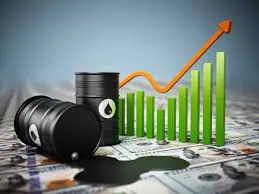
Pricing Strategies Amid Rising
in the face of rising fuel costs, implementing effective pricing strategies is crucial for dropship sellers. one approach is to carefully analyze all costs, including shipping and fuel surcharges, to determine the optimal point that covers expenses while remaining competitive. sellers might also consider dynamic, adjusting prices based on fuel fluctuations and market demand. another strategy involves offering tiered, providing faster shipping options at a premium. sellers should also explore ways to add value to their products to justify higher. these strategies help sellers to manage costs and maintain their profit margins, but rising could mean the sellers need to raise to offset costs.
Adjusting Supply Chain Routes and Logistics
Adjusting Supply Chain Routes And Logistics Is Essential For Mitigating The Impact Of Rising logistics. Dropshippers Can Explore Alternative Shipping Routes To Minimize Fuel Consumption And Transportation. Optimizing Warehouse Locations And Using Logistics Software Can Also Streamline Operations. Negotiating Freight With Carriers And Consolidating Shipments Can Help Reduce Expenses. Embracing Technology, Such As Optimization Software, Can Further Enhance Efficiency. A Robust Supply-Chain Can Impact Supply And Can Reduce The Impact Of Fuel Prices. These Adjustments Are Vital For Minimizing The Fuel Price Impact On Profit Margins. With The Changes In Fuel Price, Businesses Are More Aware Of Global Trends And Adapt Fuel costs In 2026, And These one are Impacting The Supply Chain Across The Globe.
Mitigating the Effects of Rising Costs
Strategies for Dropshipping Businesses
To Mitigate The Impact Of Fuel, Dropshipping Businesses Need To Adopt Proactive Strategies. One Approach Is To Diversify Sourcing To Reduce Reliance On Distant Suppliers, Thus Lowering Transportation. Optimizing Warehouse Locations And Using Regional Can Minimize Shipping Distances And Consumption. Another Key Strategy Is To Negotiate Freight With Carriers, Leveraging Volume Discounts And Exploring Alternative Shipping Options. Consolidating Shipments Can Also Reduce Transportation. These Measures Help To Manage Costs rise And Maintain Profit Margins In The Face Of diesel Price, Given The Significant Impact The Fuel Has On Costs. To Continue Being Profitable, Some Sellers May Raise Prices To Offset Operating landed Costs.
Leveraging Technology and Automation
Leveraging Technology And Automation Can Significantly Reduce The Impact Of Rising On Dropship Businesses. Implementing Optimization Software Can Help Identify The Most Fuel-efficient Shipping, Minimizing Consumption And Delivery Times. Automated Warehouse Systems Can Streamline Order Processing And Reduce Fulfillment Costs. Using Inventory Management Software Can Optimize Stock Levels, Reducing The Need For Frequent And Costly Shipments. These Technologies Not Only Help To Manage Costs But Also Enhance Overall Efficiency And Customer Satisfaction.
Building Strong Relationships with Distributors
Building Strong Relationships With Distributor Is Crucial For Mitigating The Impact Of higher Costs. Negotiating Favorable Freight Costs With Supplier Can Significantly Reduce Shipping Costs. Collaborating With Suppliers To Optimize Warehouse Locations Can Minimize Transportation Costs And Delivery Times. Establishing Long-term Contracts Can Provide More Stable And Predictable Pricing, Protecting Against Fuel Price Volatility. These Relationships Can Also Lead To Better Communication And Coordination, Improving Overall Supply-Chain Efficiency. A Robust Supply-Chain Can Help Reduce The Impact Of Fuel costs. Businesses Need To Manage Fuel Costs And May Raise Prices could Offset Costs In 2026. Ultimately, Strong Distributor Relationships Contribute To Greater Resilience And Cost-effectiveness, Reducing The Impact on Profit Margins.
Private Agent for Dropshipping Success