You find the exact same product on 1688 for $2.10 and on a marketplace platform for $3.40. Same factory, same photos even, and yet nearly 40% apart. The gap is not a glitch. It is the cost of everyone standing between you and the factory floor.
Factory-direct pricing on 1688 is real, and the 20-40% spread shows up on order after order across the SKUs we source every week. What most sellers do not realize is what it actually takes to reach that price without getting stuck, scammed, or stuck holding a pallet you cannot legally import.
Key takeaways
- 20-40% cheaper is the typical factory-direct gap we see between 1688 pricing and marketplace listings for the same product.
- 1688.com is a domestic Chinese platform: no English checkout, no international shipping by default, and payment usually requires a Chinese bank account.
- Buyer protection on 1688 is built for domestic Chinese buyers, not for an international buyer with no Mandarin and no local recourse.
- Section 301 and Section 122 duties apply whether you buy through 1688, a marketplace, or an agent — the savings come from the factory price, not from skipping customs.
- Minimum order quantities on 1688 are usually higher than dropshipping-friendly platforms, which is the real barrier for sellers under 10 orders/day.
What 1688 actually is, and why it is not built for you
1688.com is Alibaba Group’s domestic B2B and B2C marketplace, the wholesale layer that supplies shops, resellers, and factories inside China. It sits one level closer to the factory than the export-facing marketplace platforms international buyers usually land on.
That closeness is the whole story. Every listing on 1688 is priced for a Chinese buyer who can pay in yuan from a domestic account, read the listing in Mandarin, and pick up goods locally or ship them within China. None of that infrastructure is built for a Shopify or WooCommerce seller in the US, UK, EU, AU, or CA.
The 1688 price is the factory’s price to a neighbor. The AliExpress price is the factory’s price to a stranger on the other side of the planet, plus everyone who made that trip possible.
Why the same product costs 20-40% less on 1688
A product does not get expensive by accident. Each middleman layer between factory and your storefront adds a real cost: cross-border payment processing, warehousing outside China, individual small-parcel shipping, marketing spend baked into the platform’s cut, and the seller’s own margin.
Where the markup actually sits
On a $2.10 factory-direct unit, we typically see the marketplace-listed equivalent land between $2.80 and $3.60 once packaging, storage, per-order handling, and platform fees are folded in. None of that is dishonest pricing — it is the real cost of selling one unit at a time to individual consumers worldwide instead of one pallet at a time to a domestic buyer.
The trade-off is that marketplace platforms absorb complexity you would otherwise have to manage yourself — no minimum order, no Chinese bank account, English-language buyer protection, and shipping that already lands at your door.
What it actually takes to order from 1688 directly
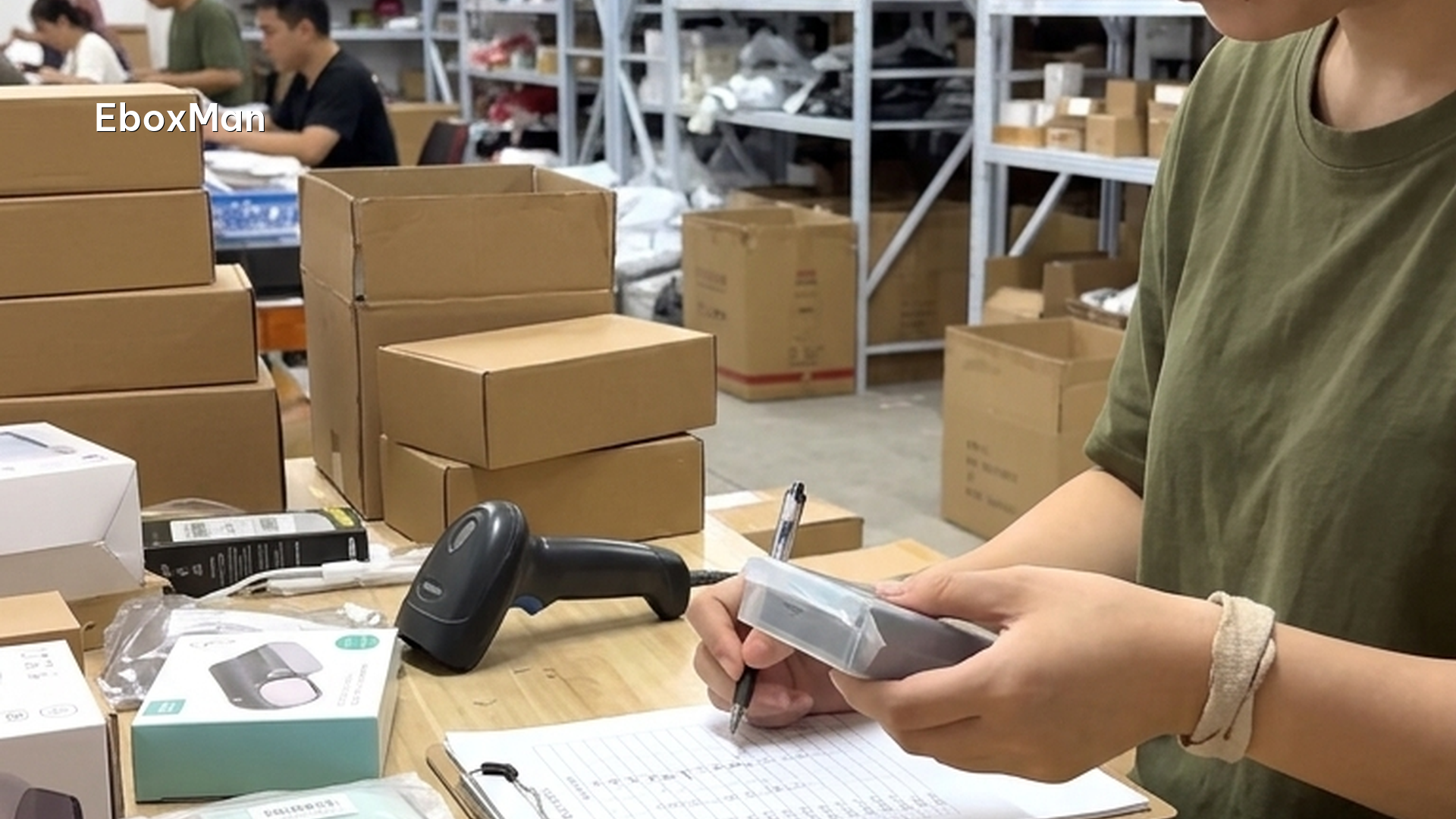
Ordering factory-direct is not just clicking buy in Chinese. It requires a stack of things most international sellers do not have on day one.
- A payment method 1688 accepts — usually a Chinese bank account or a third-party payment channel that supports it.
- Working Mandarin, or a reliable translation workflow, since the language barrier extends past product titles into negotiating price and specs.
- Meeting the supplier’s minimum order quantity per SKU, which is often set for domestic bulk buyers, not single-SKU testers.
- A freight forwarder to consolidate cartons and arrange international shipping and freight out of China.
- A way to verify the supplier is legitimate, since 1688’s buyer protection is designed for domestic disputes, not cross-border ones.
- Handling formal customs clearance and duties on arrival, since nothing on 1688 quotes those for you.
Watch out: without a local presence or a verified third-party agent, disputes over quality or non-delivery on 1688 are hard to resolve as a foreign buyer. There is no equivalent of marketplace-style buyer protection built for you.
Pro tip: before wiring anything, cross-check the supplier’s business license number and years active — Alibaba Group’s verification badges exist on both 1688 and Alibaba.com, and a supplier with no verifiable history is a red flag regardless of price.
The landed cost reality: factory price is not the final price
Even at a genuine factory price, the unit is not landed until it clears US customs. De minimis under $800 no longer applies to China-origin parcels, which means every shipment needs formal entry, and Section 301 (25% on most goods, 7.5% on List 4A items) plus the Section 122 surcharge of 15% still apply on top of whatever you paid the factory. We break down how to calculate this yourself in our Section 301 and Section 122 landed cost guide.
A mini-story from our operations
A mid-size home goods seller came to us buying through a shared-warehouse supplier at roughly $4.20 landed per unit, with a return rate around 6% from inconsistent packaging. Switching to factory-direct sourcing with QC photos before dispatch brought the landed cost, duties included, down to about $2.90-$3.10 per unit, and returns settled closer to 2%. The saving was not the factory price alone — it was fewer refunds eating the margin back.
If you want the tariff-inclusive number for your exact SKU, send it through our quote form — we reply within 24 hours.
1688 vs AliExpress vs a sourcing agent — the real trade-offs
Laid side by side, the choice is less about which is “better” and more about which layer of the supply chain fits your order volume and operational capacity.
| Factor | 1688 direct | Marketplace platform | Sourcing agent |
|---|---|---|---|
| Typical unit price | Lowest (factory) | 20-40% higher | Close to factory + service fee |
| Minimum order | Often high, per SKU | Usually none | No minimum at EboxMan |
| Payment method | Chinese bank account | Card/PayPal | Standard international payment |
| Buyer protection | Domestic-focused | Built-in, English | QC photos + reship/refund policy |
| Duties on arrival | Your responsibility | Often DDU, surprise fees | DDP, included in one price |
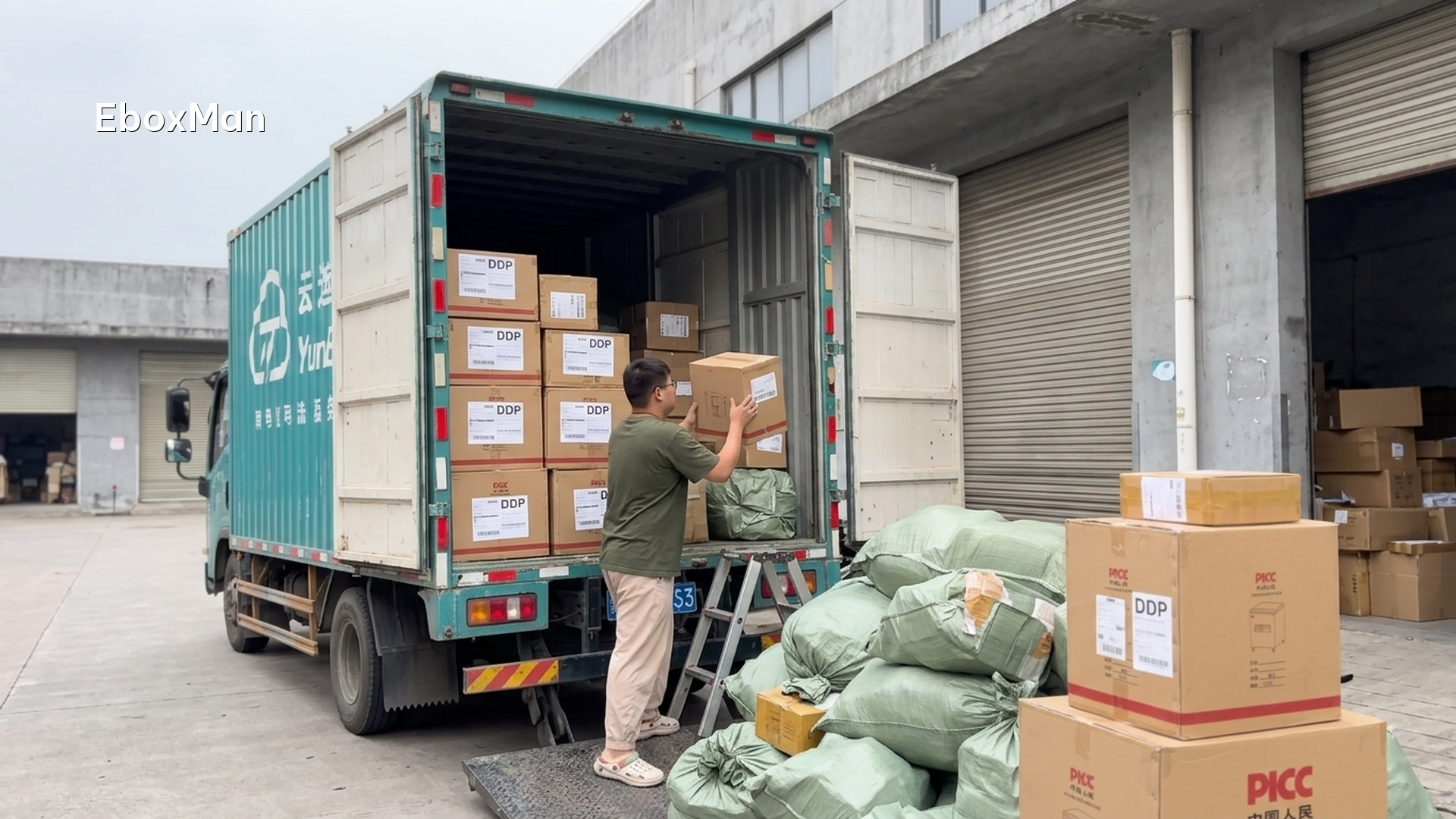
The DDP versus DDU distinction matters here — a low quoted price that leaves duties unpaid means a bill waiting at the customer’s door. We cover the mechanics in our DDP vs DDU shipping guide. A sourcing agent exists to sit between you and 1688 without adding marketplace-level markup, ship on lines that clear customs formally, and fold Section 301 and Section 122 into one landed number, no bill at delivery.
When AliExpress or marketplace platforms are still the better choice
If you are testing a product idea at under 10 orders a day, the marketplace route is honestly the right call. No minimum order, no Chinese bank account, and buyer protection you can actually use if something goes wrong — that infrastructure is worth the 20-40% premium at low volume.
The math flips once you are consistently ordering 50+ units a month of the same SKU. At that point the agent margin is smaller than what you are already losing to marketplace markup and inconsistent QC, and the case for going factory-direct through a sourcing agent or your own verified 1688 relationship gets stronger.
Across the batches our QC desk photographs every day, the pattern we keep seeing is simple: the sellers who scale past 50 orders a day are the ones who moved off per-unit marketplace pricing first.
Frequently asked questions
Is 1688 always cheaper than Alibaba.com?
Usually yes, since 1688 targets domestic Chinese buyers while Alibaba.com is priced for international B2B orders with export handling built in. Both belong to Alibaba Group, but the pricing logic behind each platform is different.
Can an international buyer order directly from 1688?
Technically yes, but in practice it requires a Chinese bank account or a compatible payment channel, Mandarin communication, and a freight forwarder for international shipping. Most e-commerce sellers outside China use a sourcing agent as the bridge instead.
Do I still pay Section 301 and Section 122 duties if I source factory-direct?
Yes. Duties apply based on the product’s HTS classification and country of origin, not on where you bought it, so buying from 1688 instead of a marketplace does not reduce or avoid Section 301 or Section 122. The saving comes from the lower factory price, not from the customs side.
What order volume makes factory-direct sourcing worth the effort?
In our experience, the break-even usually sits around 50 or more units a month of the same SKU. Below that, the minimum order requirements and the operational overhead of managing payment, language, and freight tend to outweigh the per-unit savings.
If you are weighing 1688 against a marketplace platform for your next order, the honest answer usually comes down to your monthly volume and how much operational overhead you want to own yourself. Send us the SKU and quantity you are working with, and we will give you a tariff-inclusive landed cost within 24 hours, no minimum order and no contract required.
Private Agent for Dropshipping Success