
You found the product on 1688.com. The price is roughly a third of what you see on marketplace platforms. Then you try to check out and discover the supplier only speaks Mandarin, wants a bulk order, and has no way to ship a single parcel to Ohio.
That gap between “found a cheap 1688 supplier” and “product on my customer’s doorstep” is exactly what a 1688 buying agent exists to close.
Key takeaways
- 1688.com is a domestic B2B marketplace built for buyers inside China — it does not ship overseas or take foreign cards.
- A 1688 buying agent does three jobs: sourcing, quality control, and getting your order legally through customs.
- Since de minimis ended, every China-to-US parcel needs formal customs entry — Section 301 (25% on most goods, 7.5% on List 4A) and Section 122 (15% surcharge) apply either way.
- Photo and video QC before shipping catches most defects at the factory, not at your customer’s mailbox.
- DDP shipping means duties are paid before delivery and folded into one per-unit price — no surprise bill at the door.
Why 1688 needs a middleman in the first place
1688.com is Alibaba’s domestic sister platform — same parent company, entirely different audience. It’s where Chinese retailers and small businesses source inventory from factories, at prices roughly 20-40% below what you’d see on export-facing sites.
The catch: it’s built for buyers with a Chinese bank account, a Chinese address, and fluent Mandarin for negotiating minimum order quantities. Most 1688 suppliers never intended to sell one unit to a stranger in Manchester.
The price gap on 1688 is real, but the platform was never built to hand a parcel to a courier in another country.
What breaks when you try it alone
Even sellers who find a workaround to pay run into three walls: no English support, no single-unit shipping, and no inspection before the box leaves the factory. A sourcing agent exists precisely to sit in that gap.
What a 1688 buying agent actually does
Strip away the marketing language and the job breaks into three concrete pieces: find the right factory, check the goods before they ship, and get them to your customer without a customs surprise.
Sourcing: matching your product to the right factory
Anyone can copy a product photo into 1688’s search bar. The work is comparing five or six near-identical listings, checking transaction history, factory verification badges, and reorder rates, then negotiating a price that holds even at low volume.
Across the sourcing requests we handle daily, the pattern we keep seeing is sellers who picked the first listing that matched their photo and paid 15-20% more than they needed to, or worse, ordered from a reseller pretending to be a factory.
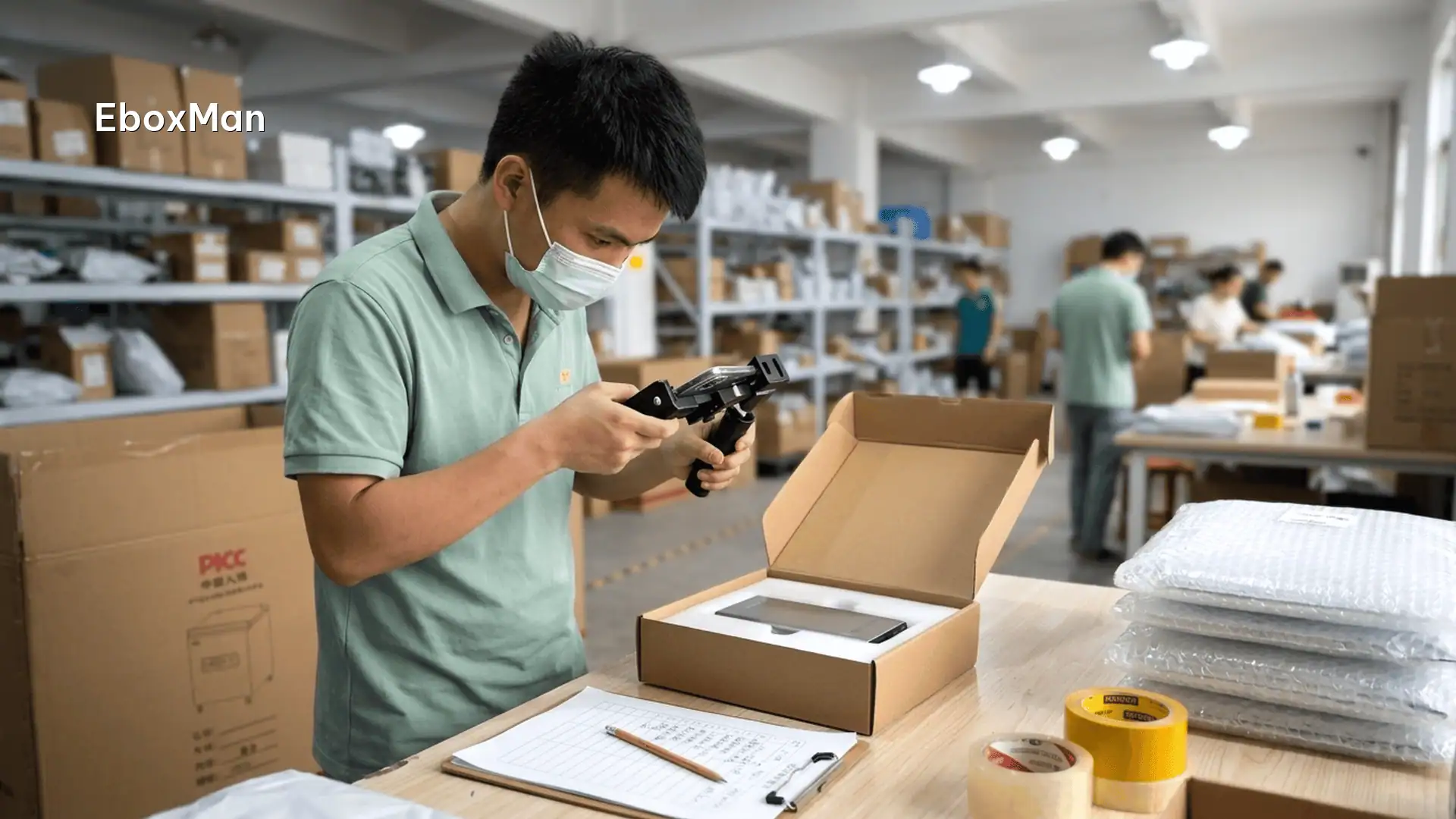
Quality control: catching problems before they’re your problem
This is the step most sellers skip when they try to buy products directly, and it’s the one that costs the most in refunds later. A batch gets pulled apart, checked against spec, and photographed before it ever leaves the factory.
When our QC desk photographs a batch before dispatch, defective units get rejected on the spot — the seller never sees them, and neither does their customer.
Pro tip: ask any agent whether QC photos are taken before or after the shipping label goes on. “Before” catches defects at the factory. “After” just documents them for a claim you’ll still have to chase.
Consolidation and freight: turning many small orders into one shipment
Ordering from three different 1688 suppliers means three separate freight bills if you ship them separately. Consolidation combines them into one box at a warehouse near the factories, which is where most of the per-unit freight savings actually come from.
DDP shipping: the part nobody explains clearly
de minimis for China-origin parcels under $800 is gone. That means every shipment into the US now needs formal customs entry, and Section 301 (25% on most categories, 7.5% on List 4A goods) plus the Section 122 surcharge (15%) apply whether your parcel is worth $12 or $1,200.
You can look up your own HTS code on the US ITC’s tariff database and calculate the exact duty rate for your product before you ever place an order — it’s worth doing once per SKU. For the full breakdown of how Section 301 and Section 122 stack on landed cost, that’s a separate deep dive worth reading before you commit to a supplier.
Duties are the same for every legal shipper — the only real variable is whether they’re paid before delivery or billed to your customer at the door.
DDP versus a bill at the door
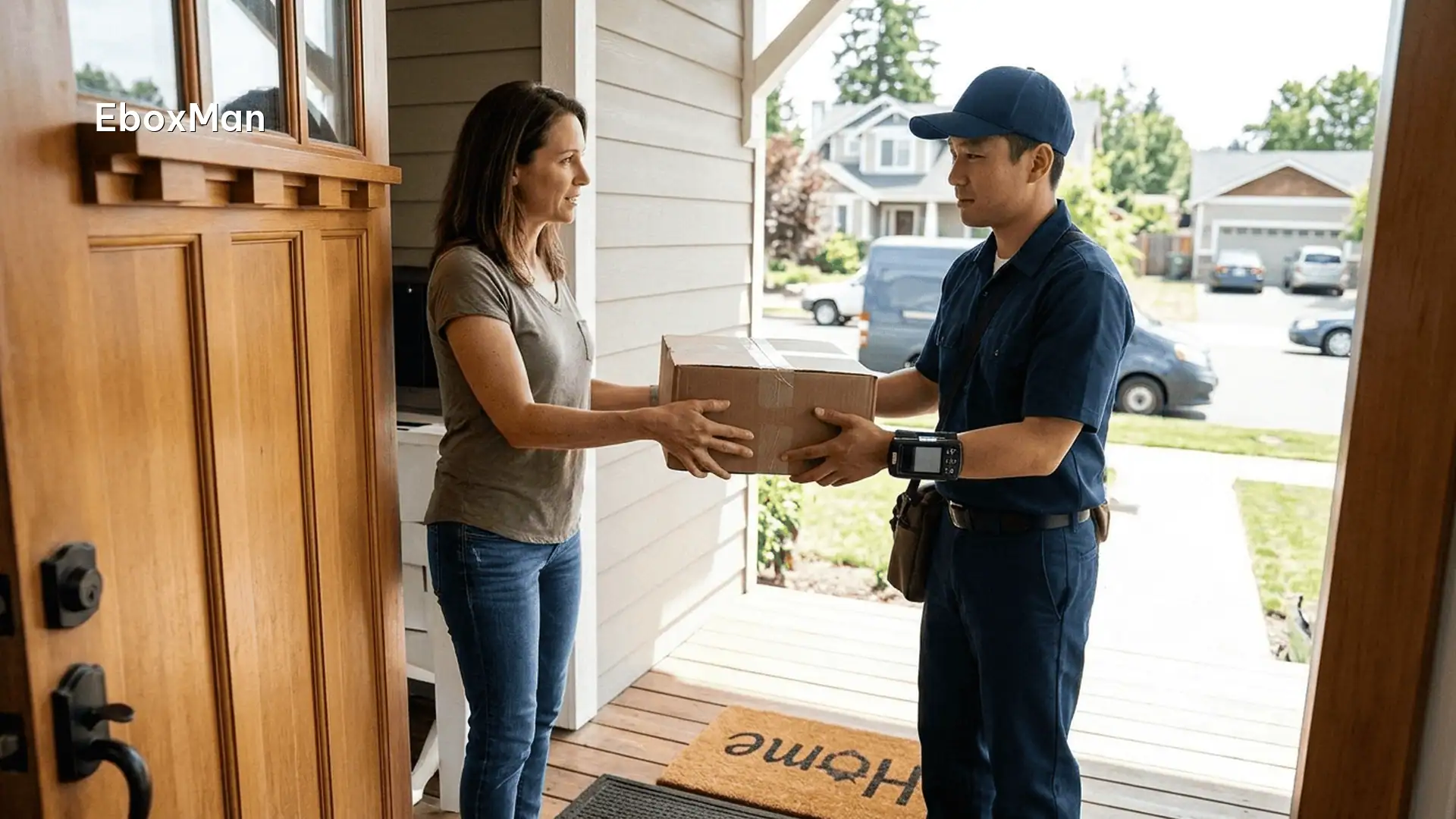
DDP, or delivered duty paid, means duties clear before the parcel reaches your customer, folded into one price you already know. The alternative — DDU — leaves your customer holding an unexpected customs bill, which is a fast way to earn a chargeback and a one-star review.
Our shipments travel on lines that clear US customs formally, with duties paid before delivery and built into the per-unit price you’re quoted — nothing added when the parcel arrives.
Watch out: any agent or route that promises to “avoid” Section 301 or Section 122 through mislabeling is offering you a seizure risk, not a discount. There is no legal way around duties that are already in effect.
What it actually costs, honestly
The objection every seller raises first: “why pay an agent margin when I could import myself?” The honest answer is in the math, not the pitch.
| Step | Direct on 1688 | 1688 buying agent, DDP |
|---|---|---|
| Minimum order | Often 50-500 units per SKU | Sample orders supported, no minimum |
| Language / negotiation | Mandarin required | Handled on your behalf |
| QC before shipping | None unless self-arranged | Photo/video QC on every batch |
| Customs handling | Self-managed, formal entry required | Ships DDP, duties included in one price |
| Typical delivery, US | Variable, freight-dependent | 6-12 days door-to-door (avg ~8) |
Factor in fewer refunds from caught defects and one consolidated freight bill instead of three, and the agent margin usually comes out close to a wash — sometimes cheaper, once returns are counted.
If you want the tariff-inclusive number for your exact SKU, send it through our quote form — we reply within 24 hours.
A short example from operations
A mid-size seller came to us shipping direct from a 1688 supplier with no inspection step: defect-related returns were running 8-11% of orders, and landed cost per unit was unpredictable because duties were being added ad hoc at delivery. After moving to QC-checked batches and DDP shipping, returns dropped to roughly 2-4%, landed cost per unit became fixed at quote time, and average delivery held around 8 days door-to-door.
When a 1688 agent is not the right call
If you’re doing under 10 orders a day, testing a new niche, or need a product live this week with zero setup, marketplace platforms and free catalog apps are honestly the faster door in — a sourcing agent’s value shows up once volume and repeat SKUs justify the relationship.
A fulfillment center model makes the most sense in the 50-500 orders/day range, where consolidated freight and factory-direct pricing start outweighing platform convenience fees.
Five questions to ask before hiring one
- Are QC photos taken before or after the shipping label is applied?
- Is the shipping DDP, with duties included in one price?
- Is there a minimum order, or can you start with a sample?
- Who handles reship or refund if a parcel is lost or damaged in transit?
- Do you get a named contact, or a rotating support queue?
Frequently asked questions
Can I buy directly from 1688.com without an agent?
Technically some listings allow overseas payment through third-party tools, but you’ll still face Mandarin-only support, high minimum orders, and no path to formal, legal customs clearance into the US, UK, EU, AU, or Canada. Most sellers hit a wall at the shipping step, not the payment step.
Does a 1688 buying agent handle customs clearance for me?
An agent arranges shipping on lines that clear customs formally and quotes you one price with duties already included in it — you’re not billed separately at delivery. For anything unusual (restricted categories, high-value shipments), a licensed customs broker is the right resource, not general sourcing advice.
How much does 1688 buying agent quality control actually catch?
Photo and video inspection before dispatch typically catches sizing errors, color mismatches, and visible defects — the issues that generate the bulk of refund requests. It won’t catch every long-term durability problem, but it removes the majority of “arrived broken” and “wrong item” claims.
Is DDP shipping more expensive than standard shipping?
The per-unit price is higher than a bare product cost because duties are already folded in, but it’s not more expensive than DDU once you account for the customs bill your customer would otherwise pay, plus the refunds and chargebacks that follow an unexpected charge at the door.
If you’re weighing whether to keep wrestling 1688 alone or hand the sourcing, inspection, and DDP shipping to a team that’s been doing it since 2019, the fastest way to see real numbers is to send us your SKU. We reply within 24 hours with a tariff-inclusive quote, no minimum order required.
Private Agent for Dropshipping Success