
Every November, order volume on Chinese platforms spikes for the 11.11 Singles’ Day sale, and every November, Shopify and WooCommerce sellers shipping from China watch their delivery times stretch without warning. Shipments that normally take 8 days can take 15 to 20, and the cause usually has nothing to do with your supplier doing anything wrong.
The good news is this delay is predictable. It happens on the same calendar every year, and if you plan your order and shipping dates around it, you can keep your store running close to normal while everyone else is explaining late deliveries to annoyed customers.
Key takeaways
- 11.11 order volume on major Chinese platforms is measured in the tens of billions of dollars in a single 24-hour window, and factories and carriers get pulled toward that demand first.
- Delays typically run from late October through late November, with the worst congestion around November 11-18.
- Every China-to-US parcel now needs formal customs entry since the de minimis exemption ended, which adds a second layer of delay risk on top of the seasonal one.
- Placing your restock order 2-3 weeks before 11.11 avoids most of the backlog entirely.
- DDP shipping with duties included does not fix factory delays, but it does remove the customs-clearance delay and surprise fees at the door.
Why Singles’ Day disrupts your shipping schedule
Singles’ Day started as a domestic e-commerce event but has grown into the largest shopping day in the world by transaction volume, with major Chinese platform operators reporting sales in the tens of billions of dollars within the first hours of the sale. That volume does not appear out of nowhere. Factories ramp production weeks ahead, warehouses hire temporary staff, and carriers reroute trucks and planes toward the regions and firms driving the biggest domestic order spikes.
Your small-batch order for a Shopify store is not competing with other overseas sellers. It is competing with the biggest domestic retail event on the planet for the same trucks, the same packing stations, and the same customs lanes.
Your order does not get delayed because it is small. It gets delayed because it is standing in line behind the biggest shopping day of the year.
What actually slows down inside factories and warehouses
Production gets bumped
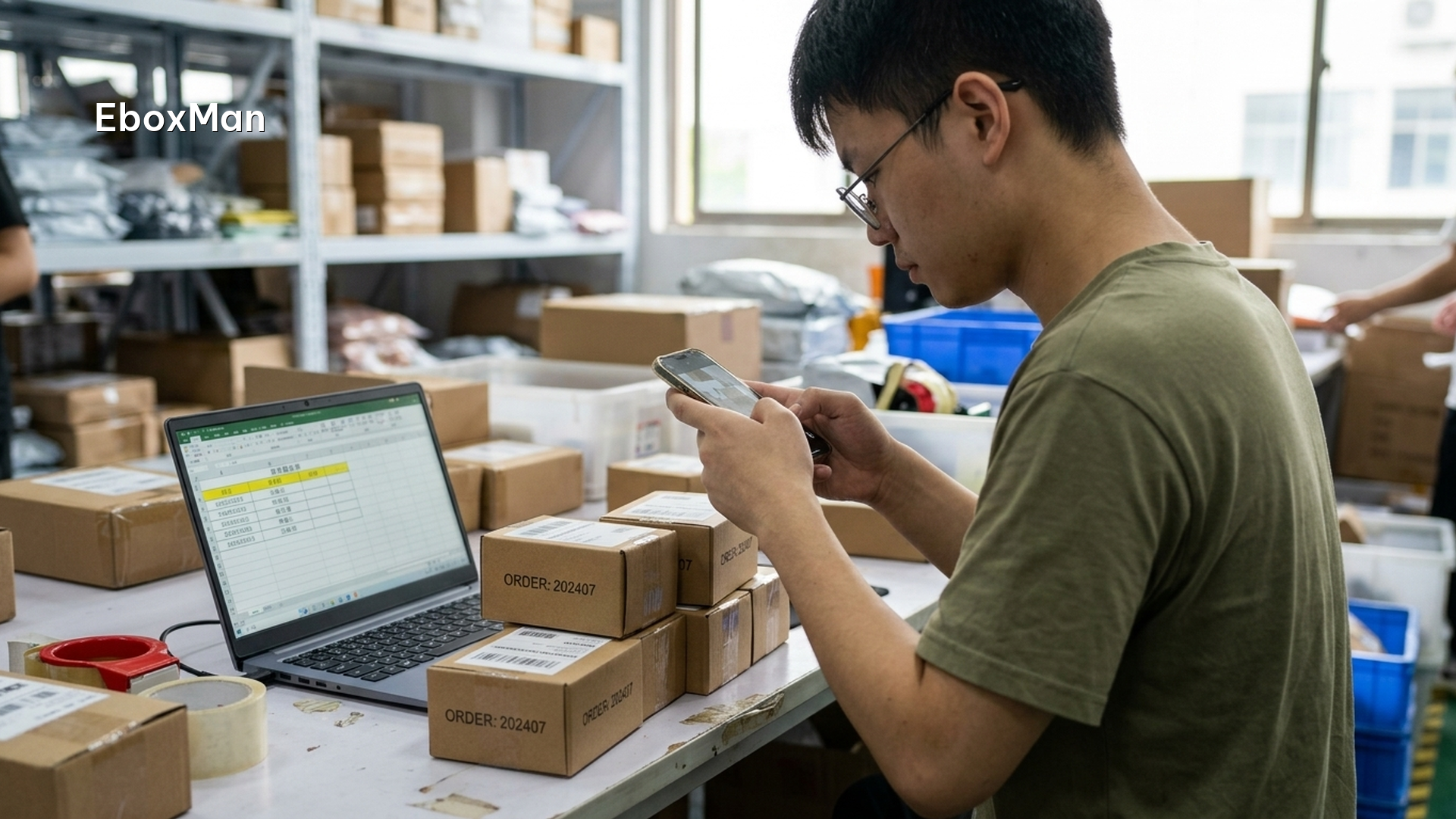
Factories prioritize bulk domestic orders tied to the 11.11 sale because the volume and payment terms are better than a 50-unit overseas order. Across the orders we pack every day in our own fulfillment operation, the pattern we keep seeing in late October is simple: factory confirmation times that normally take 24 hours stretch to 3-4 days.
Packing and QC queues back up
Warehouses staff up for 11.11, but even extra hands cannot absorb a volume spike that size without queues forming. When our QC desk photographs a batch before dispatch, we are usually working through a backlog that is 2-3 times the normal daily count during the first two weeks of November.
Carrier capacity tightens
Air freight and express carriers allocate capacity to their biggest domestic accounts first. Smaller cross-border parcels often sit an extra 2-4 days waiting for space on outbound flights or trucks, even before international transit begins.
Watch out: suppliers that quote a flat “8-day shipping” number year-round are usually quoting a best case. During the two weeks around 11.11, that same route can realistically run 15-20 days, and few suppliers will tell you that before you order.
The 11.11 delay timeline
Delays are not a single-day event. They build before 11.11 and taper off gradually after, and the dates below are consistent across the seasons we have tracked since 2019.
| Period | What’s happening | Typical added delay |
|---|---|---|
| Oct 20 – Nov 5 | Factories prioritize 11.11 bulk orders | +2-4 days |
| Nov 6 – Nov 11 | Peak production and packing congestion | +5-8 days |
| Nov 11 – Nov 18 | Warehouse backlog clears, carrier bottleneck | +4-7 days |
| Nov 19 – Dec 1 | Gradual return to normal schedules | +1-3 days |
Stack a delayed restock order on top of your own Black Friday and Cyber Monday traffic spike, and late November becomes the single riskiest month for China-sourced inventory all year.
Customs adds a second layer of delay risk
Seasonal congestion is not the only thing slowing shipments down right now. Since the de minimis exemption ended, every China-to-US parcel needs a formal customs entry, and Section 301 duties (25% on most goods, 7.5% on List 4A items) plus the Section 122 surcharge (15%) apply before a package clears. If a shipment is undervalued, misclassified, or riding on a carrier that is not set up for formal clearance, it can sit in customs well past the seasonal delay you were already expecting.
You can look up your own product’s HTS code through the US technology-driven tariff database and calculate the duty yourself before you place an order, which is worth doing for any SKU you plan to reorder at volume. For edge cases or ambiguous classifications, a licensed customs broker is the right call, not a guess.
A parcel stuck in a factory queue is annoying. A parcel stuck in customs because it was never set up to clear formally is a seller’s actual nightmare.
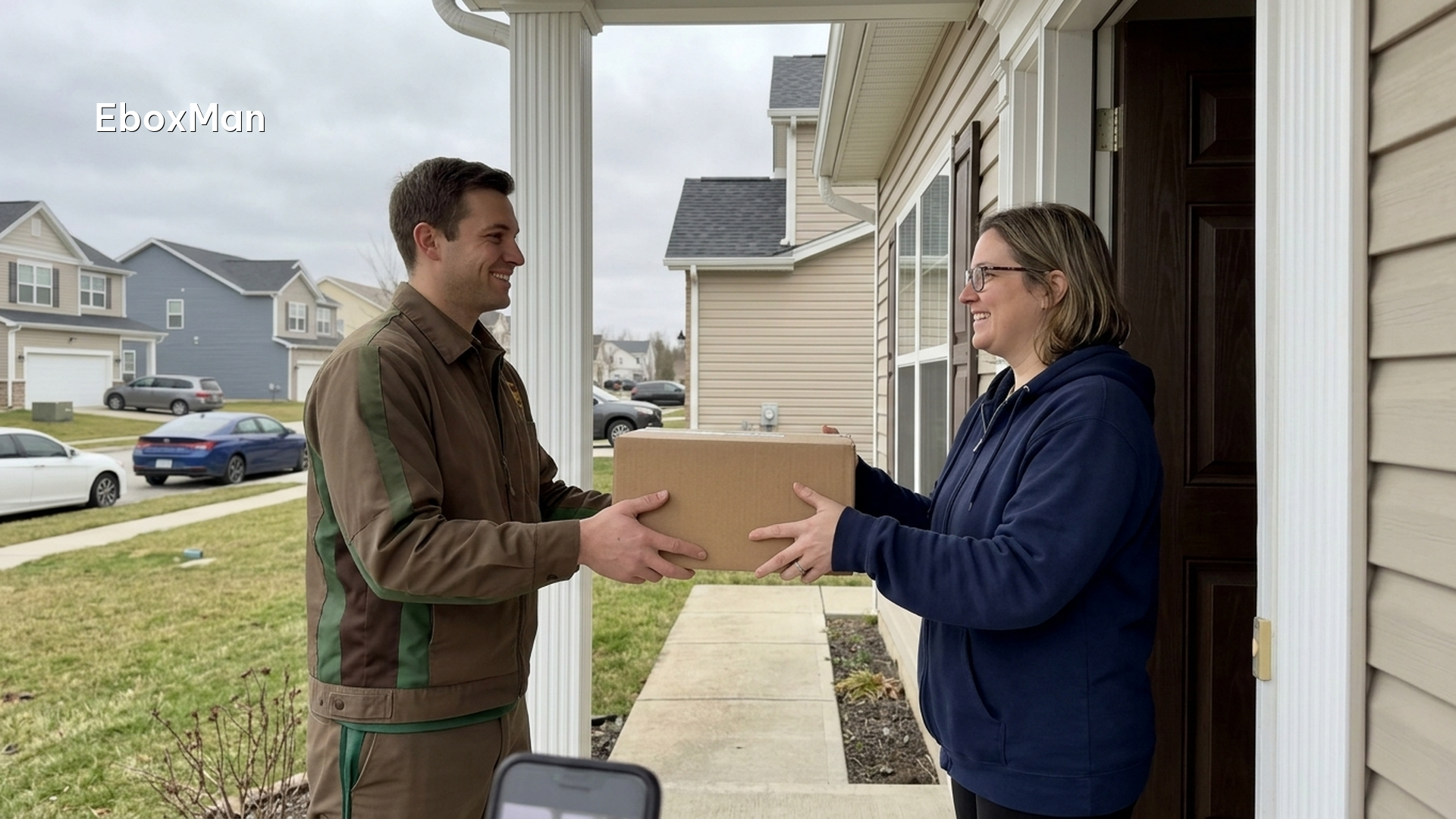
Shipping on a DDP basis does not make your order jump the production queue, but it does mean duties are paid up front and included in your per-unit price, so the parcel clears customs on arrival instead of sitting in a bonded warehouse waiting on paperwork or a surprise bill at the customer’s door.
How to plan your shipment calendar around 11.11
- Place your restock order by mid-October for anything you need in hand before Black Friday.
- Build a 10-15 day buffer into any order placed between late October and mid-November.
- Pull your bestseller SKU list early and confirm stock with your supplier before the first week of November, not after.
- Avoid first-time or untested suppliers for time-sensitive restocks during this window; save new sourcing tests for a quieter month.
- Check your product’s HTS code and estimated landed cost ahead of time so a delayed shipment does not also arrive with an unexpected duty surprise.
Pro tip: if a SKU is driving most of your revenue, order double your usual buffer stock in early October rather than a top-up order in November. One early order beats three rushed ones.
A mini case from our own operations
A mid-size home goods seller we work with used to place a single reorder in the first week of November every year, right into the worst of the backlog. Average delivery stretched to 19 days, and defect-related returns on that rushed batch ran around 6-7% because QC checks got compressed under pressure. After moving the same order to mid-October and keeping a 12-day buffer, delivery settled back to the usual 8-10 day range and returns dropped to 2-3%, roughly where they sit outside peak season.
If you want the tariff-inclusive landed cost for your exact SKU before you place a Singles’ Day restock order, send it through our quote form — we reply within 24 hours.
Where marketplace platforms and shared-warehouse suppliers do better
If you are running under 10 orders a day, a marketplace platform’s built-in listing traffic and low-friction checkout can outweigh the shipping-timing headache, since your inventory risk is small either way. Shared-warehouse suppliers are a reasonable fit if you only sell a handful of generic SKUs and do not need custom packaging or QC on every batch.
Where a dedicated sourcing agent or fulfillment center earns its margin is in exactly this kind of seasonal pressure: consolidated shipping that avoids per-parcel delay, photo QC before dispatch so a rushed batch does not become a return wave, and one named agent chasing your order through the backlog instead of you refreshing a tracking page. The math is straightforward: a higher per-unit agent fee against fewer refunds and fewer missed-holiday sales usually comes out ahead once you run the numbers on your own order volume.
Frequently asked questions
When exactly do Singles’ Day shipping delays start and end?
Delays typically begin around October 20 as factories prioritize bulk 11.11 orders, peak between November 6 and 18, and taper off by the start of December. Plan any restock order outside this window if your product can’t tolerate an extra 1-2 weeks of transit.
Does DDP shipping fix 11.11 delays?
No. DDP shipping does not speed up factory production or packing queues, but it does mean duties are paid and included in the per-unit price, so your parcel clears US customs on arrival instead of getting stuck behind a paperwork issue on top of the seasonal backlog.
Should I stop ordering from China during November?
Not necessarily. Ordering earlier in October, or accepting a longer buffer for late-November orders, usually solves the problem without pausing sourcing altogether. Pausing only makes sense if you have no flexibility on your restock timing at all.
How do I estimate my landed cost before placing a Singles’ Day order?
Look up your product’s HTS code and apply the current Section 301 rate (25% on most goods, 7.5% on List 4A) plus the Section 122 surcharge (15%) to estimate duties yourself, then add freight and product cost for a full landed figure. For anything ambiguous, a licensed customs broker can confirm the classification.
Singles’ Day will keep getting bigger every year, and the delay window around it is not going away. The sellers who plan their order dates around it, rather than reacting to it in the middle of November, are the ones who still have stock on the shelf for Black Friday. If you want help mapping your restock calendar or getting a tariff-inclusive number before you order, our team replies within 24 hours.
Private Agent for Dropshipping Success