
It’s mid-December, the checkout page said “arrives in 5-7 days,” and the customer’s parcel is on day 15. They don’t email you. They call their bank and file a non-receipt dispute, and now you’re losing the sale, the product, and a dispute fee at the same time.
Most delivery date promise chargebacks aren’t caused by lost parcels. They’re caused by a promised delivery date that was never realistic, made worse when peak-season volume slows every carrier. This guide covers how to set a promise you can keep, where to show it, and what proof to hold when a dispute lands anyway.
Key takeaways
- Visa reason code 13.1 (merchandise or services not received) is the dispute a late parcel triggers, and cardholders generally have 120 days to file it.
- A realistic China-to-US window is 8-15 days from payment: 2-3 days processing plus 6-12 days door-to-door.
- Add 3-5 days of buffer to your quoted window from November through December.
- Quote a range, not a single date, and repeat it at four touchpoints: product page, checkout, confirmation email, and policy page.
- A tracking number with a delivery scan is your core proof of delivery, so only ship on real labels.
Why a late promise becomes a chargeback
When a cardholder doesn’t get the parcel by the date they were shown, the card network gives them a simple path: dispute it as non-receipt. Under Visa that’s reason code 13.1. Mastercard has an equivalent code, and the mechanics are similar.
The window is long. Cardholders can generally file up to 120 days after the transaction or the promised delivery date, so a missed promise in December can surface as a dispute in April. Check your processor’s exact rules, because they vary by card network and region.
The chargeback isn’t triggered by a slow parcel. It’s triggered by the gap between what checkout promised and what the tracking page shows.
On a $40 order, a lost dispute costs you the $40 refund, the product you already paid for, and the dispute fee. Many processors also start flagging accounts as the dispute ratio approaches 1% of orders, which puts your payment account at risk, not just one sale.
Build the promise from real data, not from competitors’ banners
Add up the real stages
For orders we ship, processing takes 2-3 days after payment and door-to-door shipping runs 6-12 days, with a US average around 8. That’s 8-15 calendar days from payment. If your checkout says 5-7, a large share of orders miss the promise before anything goes wrong.
Quote a window, then add the peak buffer
Pull your own last 90 days of orders and look at the 90th percentile delivery time, not the average. Then add 3-5 days for November and December. Here’s how the common promise styles compare, using that 8-15 day real window.
| Promise style | Example | Days from payment | Dispute risk |
|---|---|---|---|
| Fixed date | “Arrives by Dec 12” | 1 date | Highest: any slip is a miss |
| Optimistic range | “5-7 days” | 5-7 | High: below the real 8-15 |
| Real window | “8-15 days” | 8-15 | Medium: peak slips still hurt |
| Real window plus peak buffer | “10-18 days” | 10-18 | Lowest |
Quote the window you hit on a bad week, not the one you hit on a good week.
Watch out: a DDU parcel that stalls waiting for a customer to pay Section 301 or Section 122 duties looks “in transit” for weeks. Since the de minimis exemption ended, every China-to-US parcel needs formal entry. DDP shipping keeps duties settled before delivery, so that stall doesn’t happen.
Where to show the promise so it holds up in a dispute
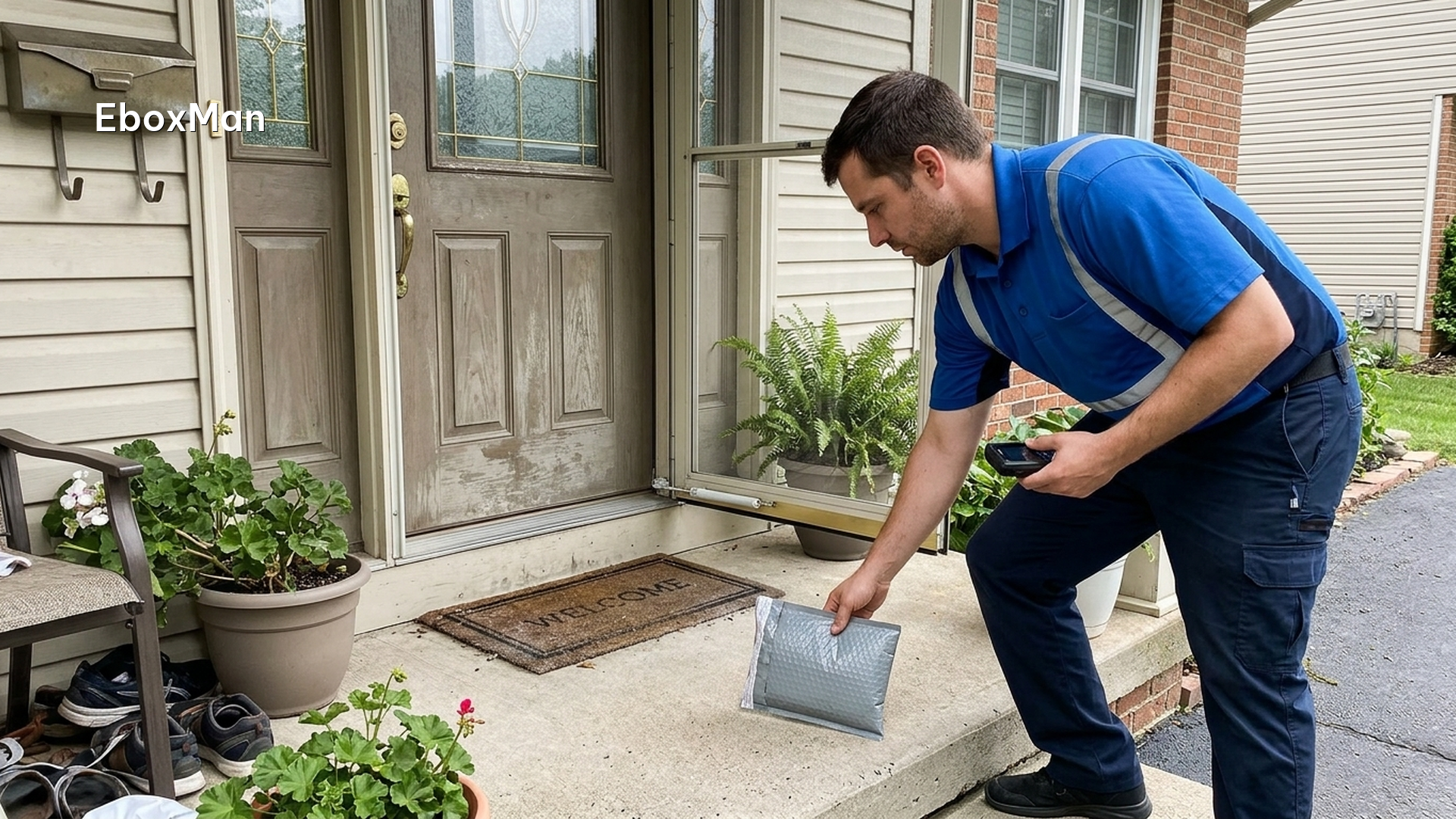
A promise only protects you if the customer saw it before paying. Put the same window in four places: the product page, the Shopify checkout (shipping method description), the order confirmation email, and your shipping policy page. Keep the wording identical everywhere.
Then make the tracking number easy to use. Send it in the shipment email, link a tracking page, and tell customers when the first scan should appear. Most “where is my order” panic is a customer staring at a number that hasn’t updated yet.
Identical wording at four touchpoints turns a vague expectation into a documented agreement.
If you want a delivery window and tariff-inclusive landed cost for your exact SKU before you write it into checkout, send it through our quote form and we reply within 24 hours.
What this looks like in practice
Across the orders we pack every day, the pattern we keep seeing is sellers copying the delivery claims of marketplace platforms that hold local stock. A typical case: a Shopify seller doing around 100 orders a day promised “5-8 days,” while real delivery ran 9-14 days from payment.
In November, non-receipt disputes sat around 1.2-1.5% of orders. The seller changed the promise to “10-16 days,” added a tracking-page link, and sent a “your parcel is on its way” email around day 7. Two months later, disputes were typically under 0.5%, and checkout conversion dipped slightly, which most sellers accept for the trade.
The honest objection is that a longer promise costs sales. It can. But a lost conversion costs you the margin on one order, while a lost dispute costs the full order value, the goods, and a fee.
Communicate before the customer has to ask
Set a trigger at the top of your window. If an order hits day 12 of a 10-16 day promise with no delivery scan, email the customer and offer a cancellation or refund. A proactive refund is cheaper than a dispute, because it never touches your chargeback ratio.
A refund you offer costs the order value. A chargeback you lose costs the order value plus the product plus the fee.
Evidence to keep before a dispute arrives
When a non-receipt dispute does land, you typically get a short deadline to respond. Having the file ready is the difference between winning and writing off the order. Each case should be documentable in minutes.
- Tracking number with the carrier’s delivery scan, date, and address.
- The invoice or order confirmation showing the shipping address the cardholder entered at checkout.
- A screenshot of the delivery promise shown at checkout, plus your shipping policy.
- Customer emails, chat logs, or support tickets about the order.
- Any refund or reship offer you made and the customer’s response.
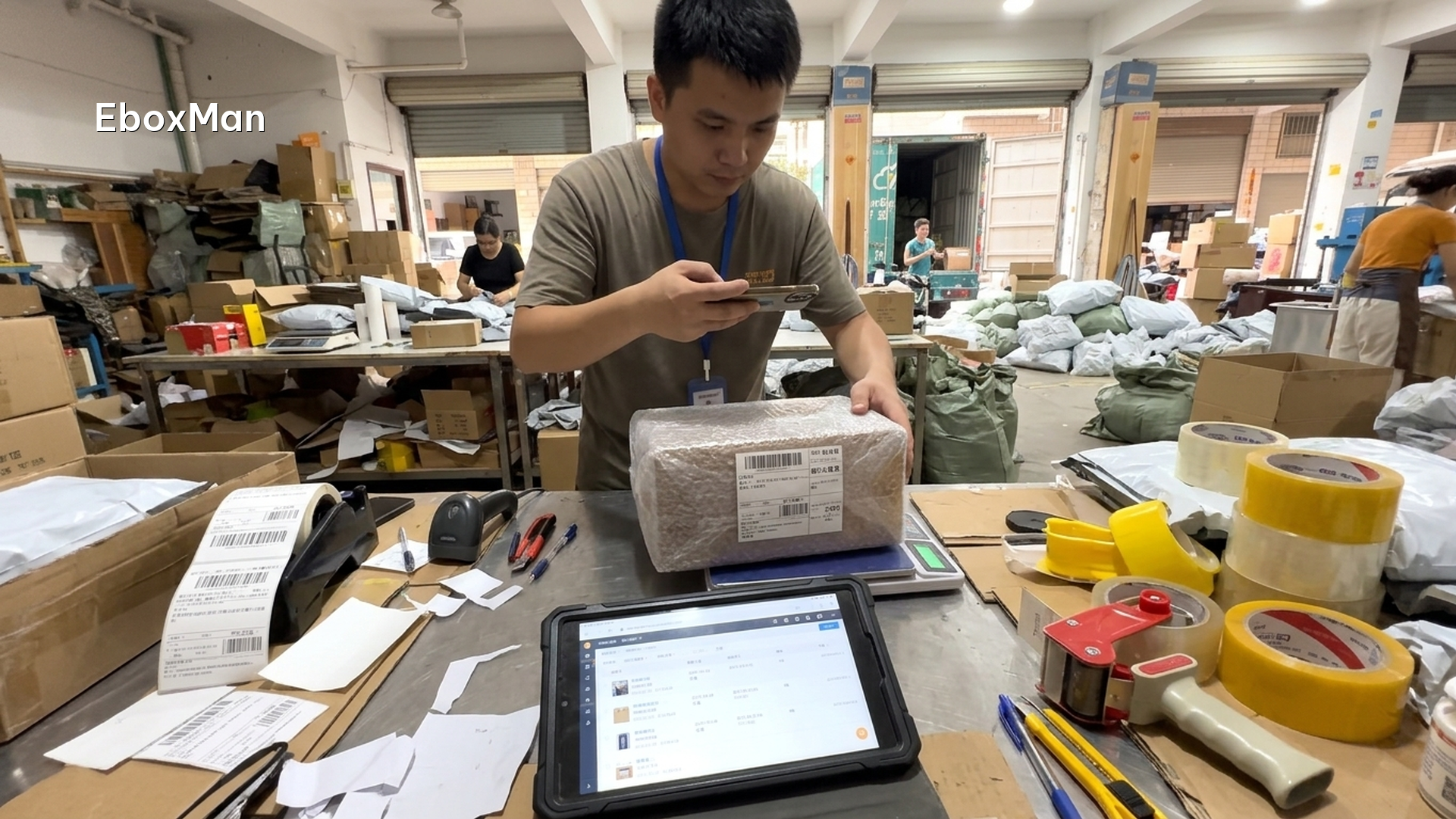
All of this depends on the tracking being real. When our QC desk photographs a batch before dispatch, each parcel is tied to a genuine label from carriers like YunExpress or Yanwen, with full tracking. A fake or recycled label leaves you with “delivered” scans that don’t match your customer’s address, which can lose an otherwise winnable case. We cover that risk in our guide to fake shipping labels.
Pro tip: save a dated screenshot of your checkout promise every time you change it. If a dispute arrives 100 days later, you need to prove what the customer saw on the day they paid.
Also know your landed cost, because a surprise duty bill is a common reason customers refuse delivery. Our landed cost breakdown for Section 301 and Section 122 shows how to calculate it yourself.
When this approach doesn’t apply
If you sell mostly from local stock, a longer China-based window isn’t your problem. Shared-warehouse suppliers and marketplace platforms with domestic inventory can honestly promise 3-5 days on the items they hold, and that’s a real strength.
Under roughly 10 orders a day, those platforms are often the simpler choice anyway. And if your product is truly time-sensitive, such as holiday-dated gifts, no buffer strategy replaces local stock. Use a fulfillment model that fits the product, and read about the trade-offs in our order fulfillment center guide.
Frequently asked questions
What is reason code 13.1?
It’s the Visa dispute code for merchandise or services not received. A cardholder files it when they say the order never arrived, or didn’t arrive by the promised delivery date. Your tracking number and proof of delivery are the main evidence in response.
How long can a customer wait before disputing?
Generally up to 120 days from the transaction or the promised delivery date, depending on the card network and the case. Confirm the exact rule with your payment processor, since it can differ by region.
Should I refund late orders before a dispute?
If an order is past your stated window and has no delivery scan, offering a refund or reship is usually cheaper than fighting a dispute. A voluntary refund doesn’t count toward your chargeback ratio.
Does DDP shipping reduce chargebacks?
It removes one cause: parcels held or refused over unpaid import duties. With DDP on shipping lines that clear US customs formally, duties are paid before delivery and included in your per-unit price. It won’t fix an unrealistic promise on its own.
Realistic promises are the cheapest chargeback protection you have, and they cost nothing but an honest look at your own delivery data. Operating since 2019, we’ve watched the same peak-season pattern repeat every year, and the sellers who set a window early are the ones who stay calm in December. If you’d like a delivery window and a one-price DDP quote for your products, request a free sourcing quote and we’ll reply within 24 hours.
Private Agent for Dropshipping Success