Search “best dropshipping supplier 2026” or “dropshipping suppliers in 2026” and you will get a wall of listicles that rank suppliers by adjectives instead of numbers. That is not helpful when you are trying to figure out why your defect rate is climbing, why a $12 item suddenly landed at $19 after duties, or why a customer got a surprise bill at the door.
This article skips the adjectives. It walks through the real categories of dropshipping suppliers active right now, what each one is actually good at for a working dropshipping business, what a landed unit costs across them, and where our own model, as a sourcing and fulfillment agent, genuinely comes up short. We have run sourcing and fulfillment for Shopify and WooCommerce sellers since 2019, moving 10,000+ orders a day across the US, UK, EU, AU, and CA. That volume gives us a pattern-level view of what breaks in a dropshipping supply chain. It does not make us the right supplier for everyone, and this piece says so plainly.
Key takeaways
- The de minimis exemption is dead: every China-to-US parcel now clears a formal customs entry, with Section 301 (25% / 7.5% List 4A) plus the Section 122 surcharge (15%) on top of product cost.
- Every supplier in 2026 fits one of four categories: marketplace platforms, free catalog apps, shared-warehouse suppliers, or private sourcing agents.
- Under ~10 orders a day, a marketplace or catalog app is usually the smarter choice; between 50 and 500 orders a day, the math flips toward a private agent.
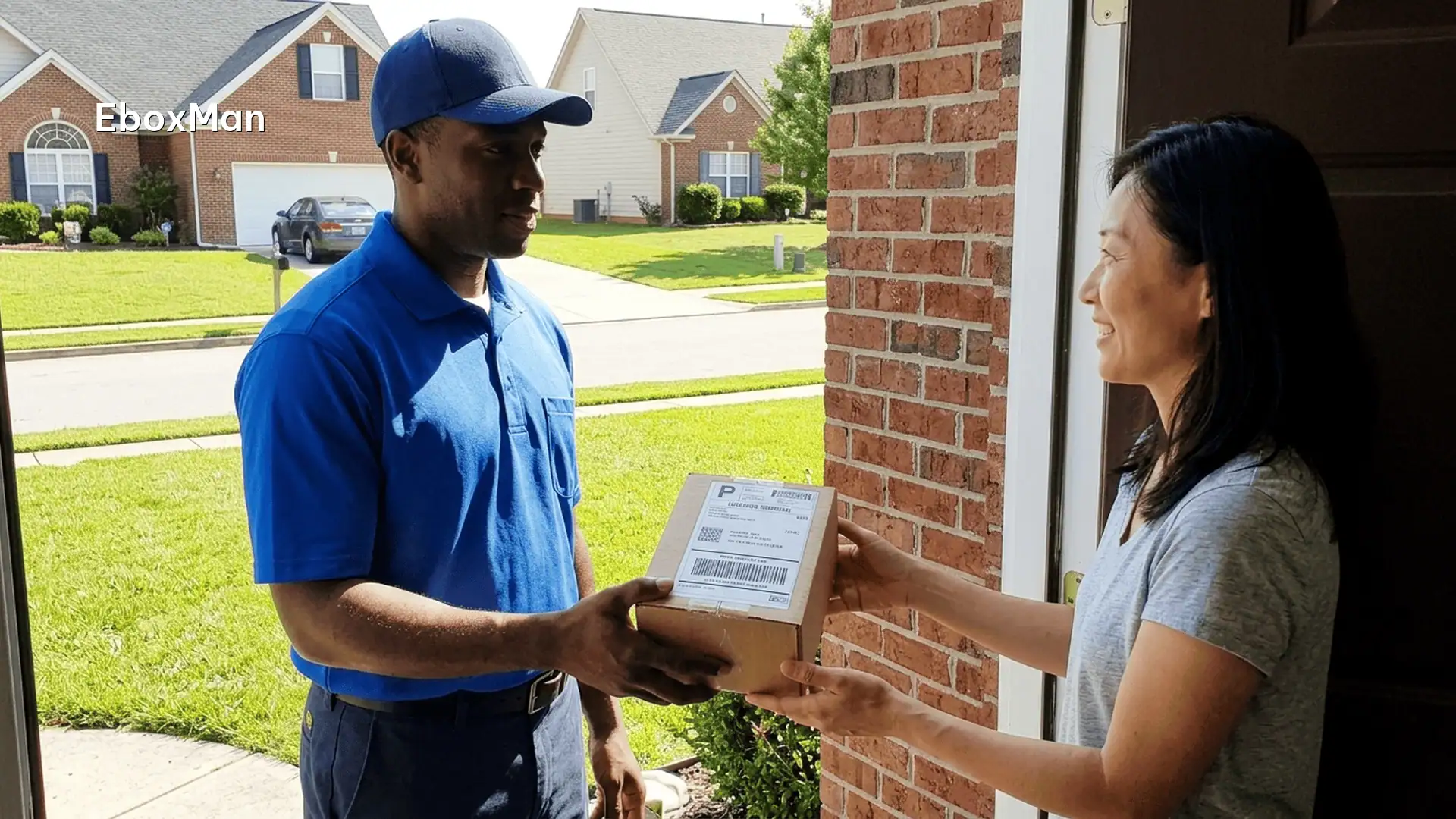
- DDP means one price with duties included; DDU means your customer can get a bill at the door — always ask which one a quote is, in writing.
What actually changed for 2026
The biggest shift is not a new app or a new catalog feature. It is that the de minimis exemption is dead. Every parcel shipped from China to the US now needs a formal customs entry, and two duty layers apply on top of the product cost: Section 301 (25% on most goods, 7.5% on List 4A items) and the Section 122 surcharge (15%). We do not classify HTS codes or file customs entries for sellers, but we do help you plan around the numbers. We break down the exact math, HTS lookup steps, and landed cost formula in our Section 301 and Section 122 landed cost guide, which is worth reading before you compare a single supplier quote.
Sellers who built their margin model around a $0 duty assumption are the ones getting the surprise bills.
The second shift is shipping terms. DDU (delivered duty unpaid) quotes look cheaper on paper, but the customer pays the difference at the door, and that is when refunds and chargebacks spike. DDP (delivered duty paid) folds the duty into one price. We cover the mechanics in DDP vs. DDU shipping from China.
Watch out: if a supplier’s quote does not specify whether it is DDP or DDU, ask before you source, not after your first customer complaint.
The four categories of dropshipping suppliers you will actually find
Strip away brand names and every dropshipping supplier in 2026 falls into one of four categories.
- Marketplace platforms — the AliExpress-style model, essentially a marketplace of thousands of individual suppliers competing on price. Huge catalog, instant checkout, near-zero setup. Product cost is low and the catalog is enormous, but shipping times run 12-25 days, QC is whatever the individual seller on the platform decides to do, and returns are slow.
- Free catalog apps — pre-listed products you sync into Shopify with a click, often built on marketplace inventory underneath. Spocket is a well-known example of this category. Fast to start, no monthly fee in many cases, but you rarely get custom packaging, custom branding, or any say in QC.
- Shared-warehouse suppliers — pooled inventory across many sellers, sometimes offering faster shipping and light automation for order routing. Strong for niche products with steady demand, weaker on custom branding since the warehouse serves hundreds of stores at once.
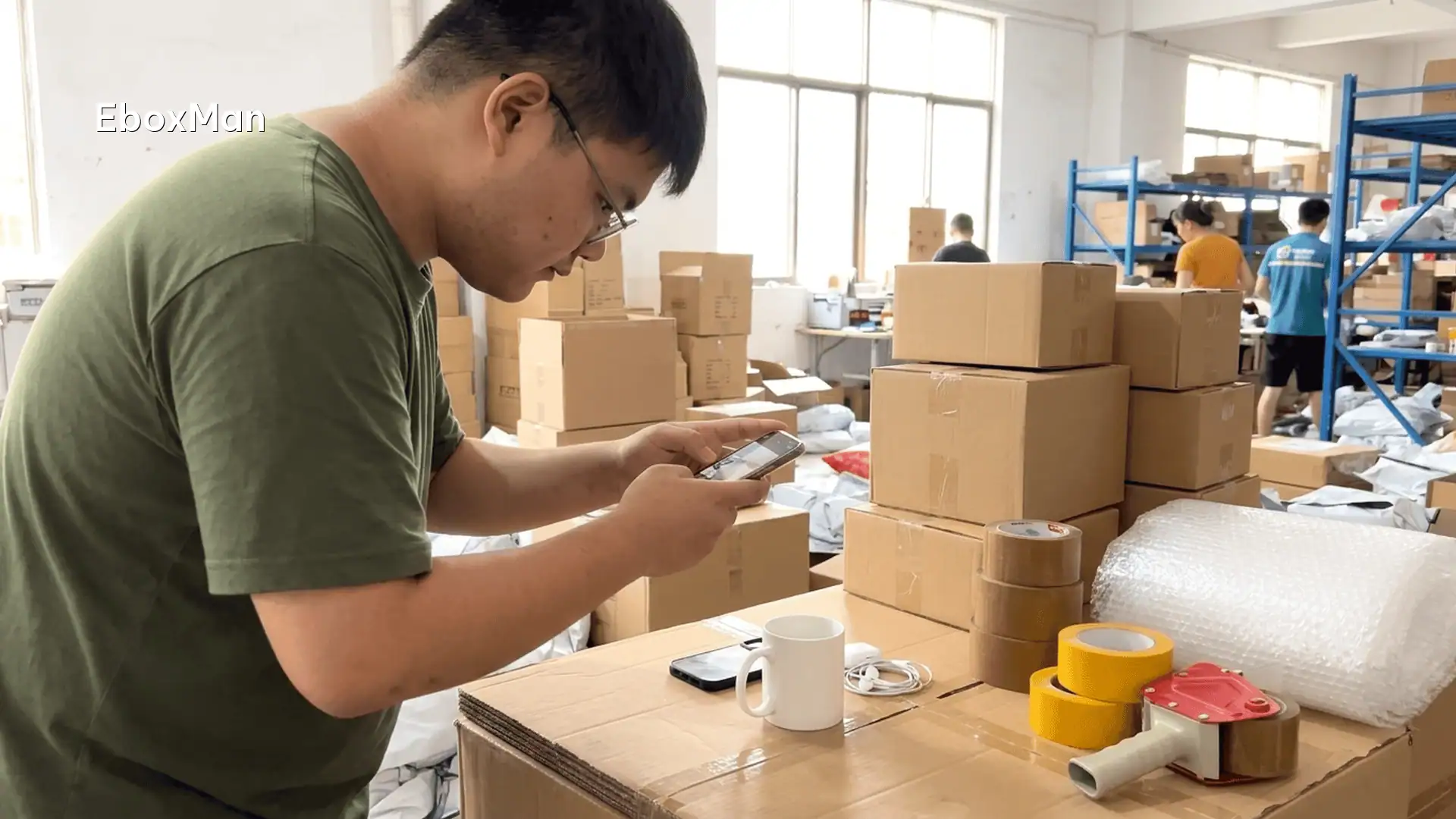
- Private sourcing agents — a dedicated agent sources, QC-checks, and ships specifically for your store. Slower to onboard than a one-click app, but the only category built for custom packaging, factory-direct product cost, and a single DDP price with duties included. This is where we sit.
None of these is universally “best.” A marketplace platform with a huge catalog and instant automation is often the smarter starting point if you are testing five niches at once with no capital to risk and just want to dropship your first orders. A private sourcing agent earns its margin once you know your winning SKU, want to build an actual brand rather than run a generic listing, and need consistent product quality, custom packaging, and predictable shipping speed at real volume.
What “best” means depends on your order volume
We say this to prospects who are still under roughly 10 orders a day: a marketplace platform or a free catalog app is probably the better move right now. You are still validating a niche, you need catalog breadth more than QC control, and the low switching cost matters more than a private agent relationship. Finding the right supplier isn’t about picking the biggest name, it’s about matching the supplier type to where your dropshipping business actually is.
A sourcing agent’s real value — factory-direct product cost, batch QC, custom branding — only pays off once volume justifies the setup.
Between roughly 50 and 500 orders a day, the math flips. At that scale, a few percentage points of defect rate or a few days of extra shipping time compound into real refund cost and real customer churn, and that is the range where a private agent or a dedicated fulfillment center arrangement starts to outperform a shared catalog. Past 500 orders a day, most sellers move toward private label and custom products entirely, and the conversation shifts from “which supplier” to “which factory.”
Landed cost comparison, by category
These are typical ranges we see across operations, not fixed prices, because product cost and shipping speed vary by SKU. Use it as a starting shape for your own comparison, and run your own numbers before you commit volume to any dropshipping supplier.
| Category | Product cost | Shipping speed (US and EU) | QC before dispatch | Duties on the quote |
|---|---|---|---|---|
| Marketplace platforms | Lowest | 12-25 days | Seller-dependent | Usually DDU, buyer risk |
| Free catalog apps | Low-mid | 10-20 days | Limited, varies by listing | Mixed, check per app |
| Shared-warehouse suppliers | Mid | 7-15 days | Batch-level, inconsistent | Mixed |
| Private sourcing agent (our model) | Factory-direct, negotiated | 6-12 days, ~8 average to US | Photo/video QC every batch | DDP, one price, duties included |
If you want the tariff-inclusive number for your exact SKU rather than a range, send it through our quote form — we reply within 24 hours.
How to vet any dropshipping agent before you commit volume
Whichever category you are evaluating, run the same checklist. It takes fifteen minutes and it filters out most bad fits, whether you are shopping for a reliable supplier for the US and EU or anywhere else.
- Ask for a sample order first. Any reliable supplier supports one-off samples with no minimum order.
- Ask whether the quote is DDP or DDU, in writing. If they cannot answer clearly, assume DDU and price the risk yourself.
- Ask what QC step happens before your order ships, and whether you get photos or video of the actual batch.
- Ask for real tracking numbers on carriers you can independently verify, not just a “shipped” status inside a dashboard.
- Ask how returns and defect claims are handled, who pays for them, and how many days a claim takes to resolve — a supplier with no clear answer is pricing that risk into your margin.
Pro tip: run the checklist on a real sample order, not an email exchange. How a supplier handles one $15 sample — speed, packaging, photos, tracking — is how they will handle your next thousand orders.
Where our model falls short
The title promised honesty, so here it is. If you are validating niches with a handful of orders a day, our onboarding is slower than clicking a catalog app, and the agent relationship adds no value yet — start with a marketplace and come back when a SKU wins. If your store depends on catalog breadth — hundreds of rotating generic listings — a marketplace platform will always beat a private agent on selection. And if you need US-warehoused same-day dispatch for a small, stable catalog, a domestic 3PL can outrun a China-based agent on pure speed, at a higher product cost.
Frequently asked questions
What is the difference between DDP and DDU in 2026?
DDP (delivered duty paid) means one price with import duties already included, so nothing is collected from your customer. DDU (delivered duty unpaid) means duties are settled at destination — often as a surprise bill at the customer’s door, which is where refunds and chargebacks start.
Is dropshipping from China still worth it after de minimis ended?
Yes, but only with the duties priced in from day one. Factory-direct product cost still leaves room for margin on most SKUs once Section 301 and Section 122 are in the landed cost math. The sellers who struggle are the ones still quoting off a $0-duty assumption.
How do I compare landed cost between two suppliers?
Ask both for the same SKU quoted to the same destination, in writing, with shipping terms named. Then compare product cost + shipping + duties + expected refund rate as one per-unit number, not line by line. Our landed cost guide walks the full formula.
Whichever category fits your store today, price the duties honestly, demand QC evidence, and re-run the numbers when your volume changes. If you want a tariff-inclusive per-unit price for your exact SKUs — one number, duties included, no bill at your customer’s door — we reply within 24 hours.
Private Agent for Dropshipping Success