
Your payout disappears from the dashboard and the reason code says almost nothing. This is a Shopify payment hold, and it usually lands on stores that just had their best week of sales, not their worst.
The trigger is rarely one bad order. It is a pattern across your Shopify Payments account, your ad accounts, and your fulfillment speed that risk models read as a single signal. Understanding how that signal forms is the only way to keep it from firing on you in 2026.
Key takeaways
- 2% refund rate is the informal line where Shopify’s risk engine starts paying closer attention to a store.
- Rolling reserves can hold back 10-20% of daily payout for 90 days on accounts flagged as high-risk.
- Meta and TikTok track negative feedback separately from Shopify — a flag on one platform does not explain a hold on the other, but slow delivery feeds both.
- Chargebacks tied to late shipping are the single most common root cause our support desk sees behind a sudden payment hold.
- A dedicated sourcing agent shipping DDP removes one entire category of complaint: surprise duty bills at the door.
Why Shopify Payments freezes a payout without warning
Shopify Payments is a payment processor first and a sales channel second. When transaction volume, refund rate, or chargeback ratio moves outside its risk model, the payout for that period gets held while the system checks whether you are still a viable merchant.
Rolling reserves vs. one-time holds
A one-time hold releases once the disputed transactions clear, often 5-10 business days. A rolling reserve is worse: Shopify or its underwriting partner keeps a percentage of every future payout, sometimes for 90 days, until your dispute rate stabilizes.
The refund rate threshold
There is no published hard number, but stores that cross roughly a 2% refund rate alongside rising chargebacks tend to get an automated review. Below that, most accounts run without incident even at high volume.
A payment hold is rarely about one order — it is Shopify’s risk model reacting to a pattern your fulfillment side created weeks earlier.
The chargeback-to-hold pipeline
Most holds trace back to the same three complaints: item never arrived, item took too long, item did not match the ad. All three are downstream of shipping and product accuracy, not marketing copy.
When delivery windows slip past what the customer expected, the dispute filed with their card issuer is a chargeback, and chargebacks are the metric that moves a Shopify account from “normal” to “reviewed” the fastest. We cover the mechanics of that delay chain in detail in our slow shipping consequences guide.
Watch out: a chargeback filed against you counts against your processor risk score even if you win the dispute. Prevention beats winning the argument later.
Ad account risk runs on a separate clock
Meta, TikTok, and Google each score ad accounts on negative feedback, refund complaints reported through the platform’s own commerce tools, and policy violations in creative. None of these systems talk to Shopify’s risk engine directly, but they share the same root cause: a customer who is unhappy with what arrived or when it arrived.
An ad account ban usually comes with less warning than a payment hold and almost no appeal path that resolves quickly. Losing both at once — payout frozen and ad spend blocked — is the scenario that actually shuts a store down, not either one alone.
Payment holds and ad account flags look unrelated until you trace both back to the same late shipment.
How fulfillment reliability feeds both risk engines
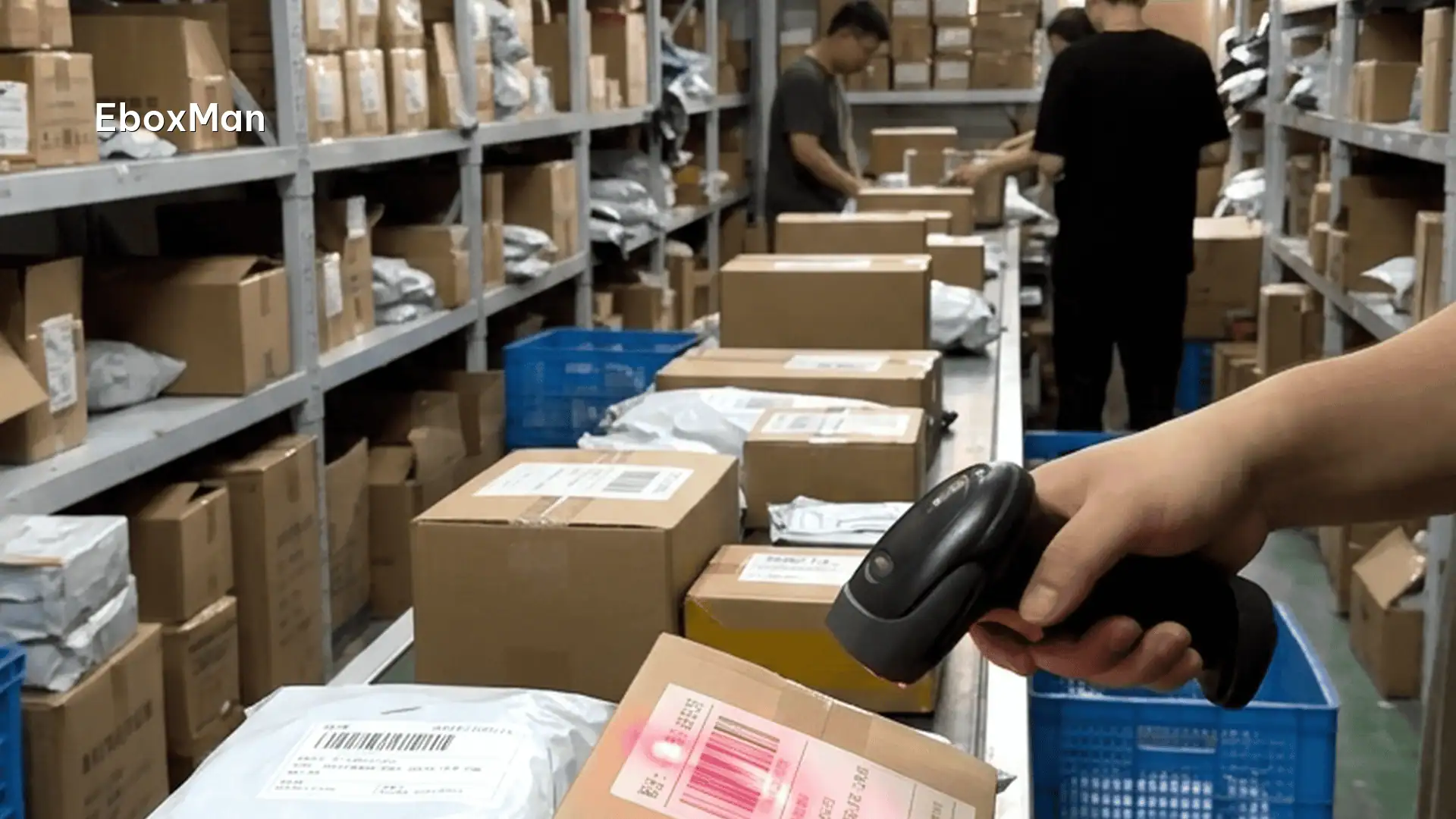
Across the orders we pack every day, the pattern we keep seeing is straightforward: stores with 6-12 day door-to-door delivery and low defect rates almost never show up in the chargeback conversations sellers bring to us. Stores running 20-30 day shipping with no tracking updates show up constantly.
Landed cost surprises make this worse. A parcel that clears customs informally can sit for days waiting on duty payment, and the customer who gets asked for money at the door files a dispute on principle, whether or not the product ever arrives. Our guide on Section 301, Section 122, and landed cost walks through how those charges actually work if you want to check your own SKUs.
A mini case from operations
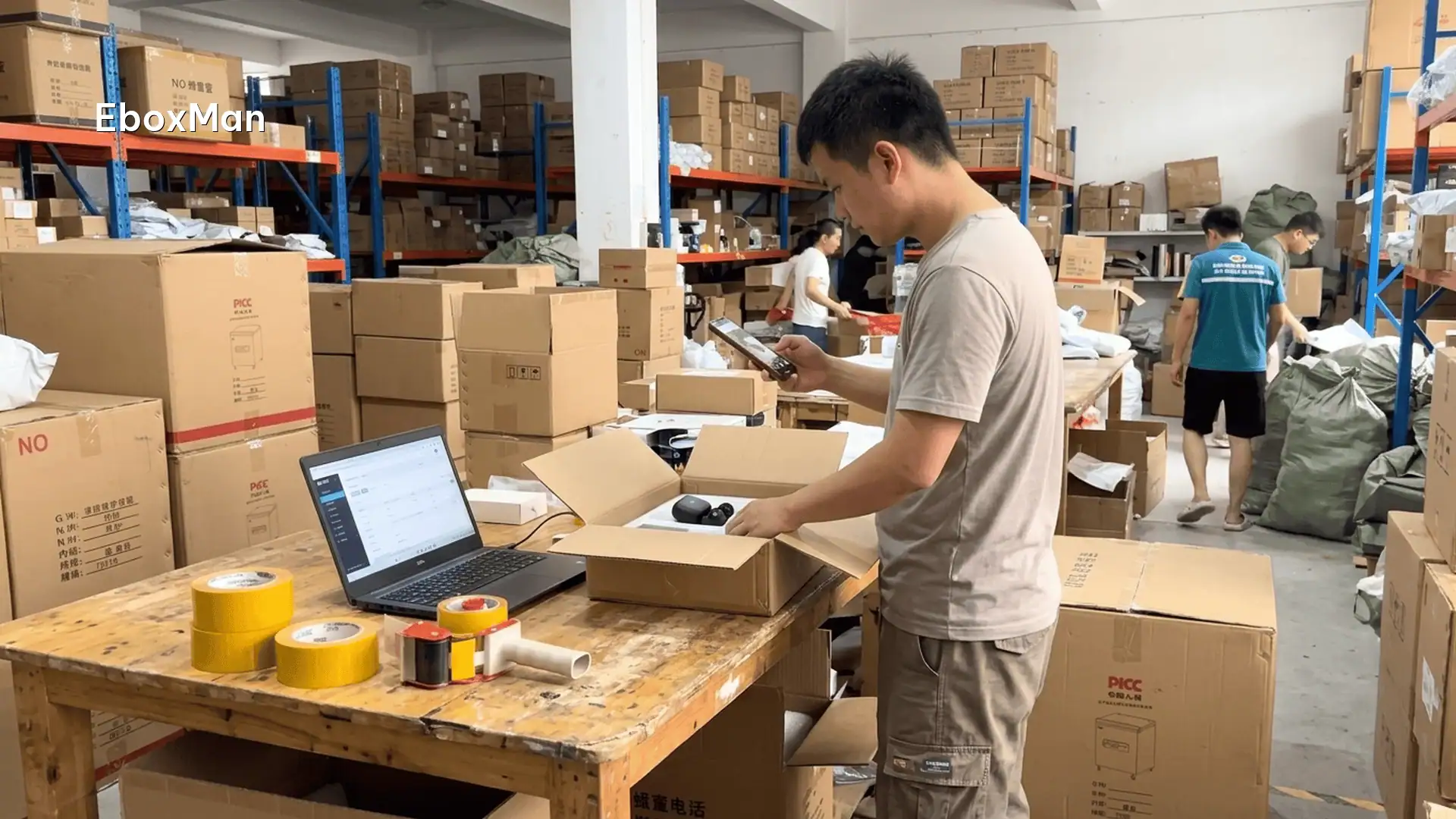
A mid-size home goods store came to us running 22-28 day delivery through a shared-warehouse supplier, with a refund rate close to 4% and a Shopify Payments review notice already on file. After moving fulfillment to a single dedicated agent with DDP shipping, delivery settled to 8-10 days average, refund rate dropped to roughly 1.2-1.8%, and the payout review cleared within one billing cycle. Landed cost per unit rose slightly from the added duty coverage, but the drop in chargebacks offset it within two months.
If you want the tariff-inclusive landed cost for your exact SKU before you scale ad spend, send it through our quote form — we reply within 24 hours.
Risk signals by platform
| Platform | Main trigger | Typical action | How to reduce it |
|---|---|---|---|
| Shopify Payments | Refund rate above ~2%, rising chargebacks | Payout hold, rolling reserve up to 90 days | Faster delivery, accurate product listings |
| Meta Ads | Negative feedback score, policy flags in creative | Ad account restriction, sometimes permanent ban | Honest claims, realistic delivery estimates in ads |
| TikTok Ads | Complaint rate, exaggerated claims | Creative rejection, account review | Match ad promises to actual shipping times |
| Google Ads | Merchant policy violations, refund disputes | Account suspension | Consistent return/refund policy pages |
A checklist to lower payment hold risk in 2026
- Track refund rate weekly, not monthly — catch drift before Shopify does.
- Ship on lines that clear customs formally so customers never get a surprise duty bill; our DDP vs. DDU comparison explains the difference in plain terms.
- Keep delivery estimates on your storefront and in ads within one day of your actual average.
- Respond to Shopify support requests the same day — silence extends review periods.
- Work with one dedicated fulfillment contact instead of rotating suppliers, so QC issues get traced fast.
- Photograph or video every outbound batch before it ships, so defect disputes have evidence on your side.
- Keep a written refund and reshipment policy linked from every product page.
Pro tip: when our QC desk photographs a batch before dispatch, it is the evidence that turns a “never arrived” dispute into a closed case in days instead of weeks.
When this does not apply
If you sell through a marketplace platform rather than your own Shopify store, payment holding rules and dispute handling belong to that marketplace, not to you directly — this guide will not map cleanly onto that setup. Stores under roughly 10 orders a day with a short track record should expect more scrutiny regardless of fulfillment quality, since risk models weigh account age heavily; that scrutiny eases naturally as order history builds.
Frequently asked questions
How long does a Shopify payment hold usually last?
A standard hold tied to a single dispute period clears in 5-10 business days once transactions settle. A rolling reserve tied to sustained risk flags can hold a percentage of payouts for up to 90 days.
Why did Shopify contact me about my payment processor?
This usually means your refund rate, chargeback ratio, or transaction pattern crossed a threshold in the automated risk review. Respond with documentation — order history, tracking, refund policy — as quickly as possible.
Can a high refund rate get my ad account flagged too?
Yes. Meta, TikTok, and Google each track negative feedback and refund complaints reported through their own commerce tools, separately from Shopify. A high refund rate can trigger review on both fronts at once.
Does using a dropshipping agent reduce payment hold risk?
A dedicated sourcing agent cannot change Shopify’s risk model, but consistent delivery times, QC before dispatch, and DDP shipping remove the most common causes of chargebacks — which is what actually keeps the account off the review list.
Payment holds and ad account bans both trace back to the same weak link most of the time: fulfillment that customers cannot rely on. Fixing that link is slower work than writing better ad copy, but it is the only fix that holds. If you want a tariff-inclusive landed cost and a delivery timeline you can put in front of Shopify or an ad reviewer without flinching, send us your SKUs.
Private Agent for Dropshipping Success