
Best Marketing Strategies for Small Ecommerce Businesses in 2026
As we navigate the dynamic landscape of 2026, small e-commerce face unique challenges and opportunities in reaching their target audience. This article delves into the best marketing strategies tailored to help these businesses not only survive but thrive in an increasingly competitive online environment. We’ll explore innovative approaches and practices that promise to elevate your brand and drive sales.
Understanding Marketing in 2026
Marketing in 2026 has evolved significantly, presenting a complex yet exciting array of tools and tactics for any small business. The digital marketing landscape is more sophisticated than ever, demanding a well-thought-out marketing strategy that is adaptable and forward-thinking. Small store owners must grasp the nuances of modern marketing to ensure their store stands out amidst a sea of competitors. An effective ecommerce strategy in 2026 is built on a deep understanding of current consumer behavior and technological advancements, making it crucial to stay informed and agile.
The Evolution of Marketing Strategies
The evolution of best marketing strategies has been rapid, particularly for small businesses looking to make an impact in the sphere. What constituted a successful ecommerce marketing approach just a few years ago might be outdated in 2026. Traditional marketing channels have been largely supplanted by digital strategies, with a strong emphasis on personalized experiences and data-driven decisions. For any small business, crafting a robust marketing plan that integrates the latest marketing tools and practices is paramount for achieving success for marketing and a strong conversion-rate. This continuous evolution means that marketing for ecommerce must be dynamic and constantly refined.
Key Trends Impacting Small Businesses
Several key trends are profoundly impacting businesses 2026. Small owners must pay close attention to these to develop an effective e-commerce marketing strategy for small business in 2026. These trends include:
- The shift towards hyper-personalization
- The increasing dominance of video content marketing, affiliate marketing
- The integration of artificial intelligence in marketing tools
Understanding these shifts allows a business to optimize its online presence, enhance its customer engagement, and ultimately drive its success for marketing. Failing to adapt to these prevailing trends can significantly hinder a business’s ability to compete effectively in the online.
Importance of Digital Marketing 2026
The importance of digital for ecommerce cannot be overstated. A comprehensive digital in 2026 is the cornerstone of any successful ecommerce operation, providing the necessary visibility and reach. Channels such as SEO, email, content, and social media marketing are no longer optional but essential components of a robust marketing’s plan. For a business, a strong online presence facilitated by effective strategies directly translates into higher traffic, improved conversion-rates, and sustained growth. Investing in these best digital marketing strategies for 2026 is crucial for long-term success marketing strategies and overall business prosperity.
Effective Ecommerce Marketing Strategies
Building an Ecommerce Marketing Plan
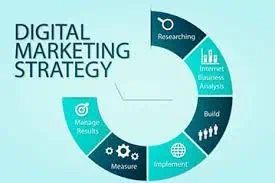
To start, building an effective e-commerce plan is paramount for any business aiming for marketing success. This comprehensive marketing plan serves as a roadmap, guiding all subsequent marketing-strategies and ensuring that every effort contributes to a measurable goal. Small business owners must clearly define their target audience, set realistic objectives, and allocate resources efficiently across various digital channels. A well-structured marketing will encompass everything from content creation to customer retention, providing a cohesive framework for all e-commerce activities and significantly impacting the conversion-rate of their store.
Utilizing SEO for Small Ecommerce Businesses
Utilizing SEO for e-commerce is one of the best strategies to enhance online visibility and drive organic traffic to their store. An effective SEO strategy focuses on optimizing product pages, blog content, and the overall website structure to rank higher in search engine results. For a business, investing in SEO means better visibility, which translates into increased brand awareness and a higher conversion-rate without continuous paid advertising. Mastering SEO practices is crucial for any e-commerce platform, ensuring that potential customers can easily find their products and services, making it a cornerstone of successful e-commerce.
Leveraging Social Media Marketing
Leveraging social media is an indispensable component of best marketing strategies for businesses, offering a direct conduit to engage with potential and existing customers. For a business, a robust social media strategy extends beyond mere posting; it involves creating compelling content, utilizing various marketing channels effectively, and fostering a community around their brand. This digital allows business owners to run targeted campaigns, utilize influencer, and gather valuable feedback, all contributing to a higher conversion rate and sustained success. Social media is a powerful platform to build brand loyalty and drive sales for any store on Shopify or Amazon.
Email Marketing Best Practices
Crafting Effective Email Campaigns
Crafting effective email campaigns is a cornerstone of successful ecommerce website for businesses. For a business, developing a well-segmented email list is the start to ensuring that messages resonate with the right audience, enhancing the conversion-rate. Utilizing personalization, compelling subject lines, and clear calls to action are practices that significantly boost engagement. An effective email involves sending targeted promotions, valuable content, and exclusive offers, transforming subscribers into loyal customers and contributing to overall success. This direct channel remains one of the best ways for a store to foster relationships and drive sales.
Measuring Success in Email Marketing
Measuring success in email is crucial for refining any digital and ensuring that a business maximizes its return on investment. Key metrics provide invaluable insights into campaign performance, including:
- Open rates
- Click-through rates
- Conversion-rates
- Bounce rates
For a business owner, regularly analyzing these metrics allows for data-driven adjustments to email campaigns, leading to improved engagement and ultimately greater success for marketing strategies that work. Understanding which content resonates most with the audience helps to optimize future efforts, making email a highly accountable and effective ecommerce for any store.
Avoiding Common Email Marketing Mistakes
Avoiding common email mistakes is paramount for any business to maintain a high conversion-rate and achieve success for marketing automation. Several pitfalls can hinder these efforts, including:
- Sending generic, untargeted emails, which often lead to low engagement and high unsubscribe rates.
- Neglecting mobile optimization, given that a large percentage of emails are opened on smartphones.
- Overlooking the importance of a clean and updated email list, which can result in deliverability issues.
Adhering to best practices, such as obtaining explicit consent and segmenting your audience, will ensure your email efforts contribute positively to your overall ecommerce and avoid hindering your success.
Maximizing Conversion Rates for Online Stores
Strategies to Enhance User Experience
Enhancing the user experience is a pivotal aspect of successful ecommerce for businesses, directly impacting the conversion-rate of their store. For a business, a seamless and intuitive user journey from landing page to checkout is paramount. This involves optimizing website speed, ensuring mobile responsiveness, and simplifying navigation. Implementing clear product descriptions, high-quality images, and customer reviews can significantly build trust and encourage purchases, and looking for a good Private Agent. A superior user experience is not just about aesthetics but about creating a friction-free path that guides visitors towards a purchase, making it a critical component of any effective digital.
Utilizing Analytics to Improve Performance
Utilizing analytics to improve performance is a critical digital for any business aiming for success. Business owners should regularly monitor key metrics such as website traffic, bounce rate, time on site, and conversion funnels. These insights provide valuable data on how users interact with their store and where potential improvements can be made. By understanding user behavior through analytics, a business can identify pain points in the customer journey, optimize their content efforts, and refine their overall best ecommerce plan, leading to a significantly higher conversion-rate and more effective.
Effective Calls to Action
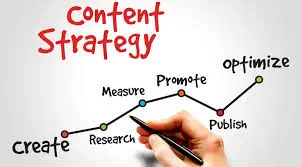
Crafting effective calls to action (CTAs) is a fundamental aspect of driving a higher conversion rate for businesses. A well-designed CTA is clear, concise, and compels the user to take the desired next step, whether it’s “Shop Now,” “Learn More,” or “Add to Cart.” For a business, the placement, color, and wording of CTAs should be strategically optimized based on user behavior and A/B testing. An effective ecommerce strategy ensures that CTAs are prominent and relevant to the surrounding content, guiding customers seamlessly through the purchasing process and significantly contributing to overall marketing success for the store.
Marketing Channels for Small Businesses
Choosing the Right Marketing Channels
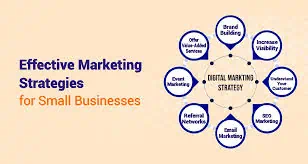
Choosing the right channels is a crucial step for any business to achieve success marketing. With numerous digital options available, business owners must carefully evaluate which channels align best with their target audience and budget. This decision should be informed by the specific products or services offered, the demographic of potential customers, and the overall marketing’s plan. Whether it’s SEO, social media, email, or influencer marketing, selecting the most effective channels ensures that marketing efforts are not only visible but also generate a strong conversion rate for their store, making it a key component of their ecommerce.
Integrating Multiple Channels for Better Reach
Integrating multiple channels for better reach is an advanced digital that businesses should embrace to maximize their success for marketing. Rather than relying on a single platform, a cohesive approach involving several channels ensures broader visibility and consistent brand messaging. For instance, combining social media with email campaigns and SEO efforts can create a powerful synergy, reaching potential customers at various touchpoints. This integrated strategy helps a business reinforce its brand identity, expand its online presence, and ultimately drive a higher conversion rate across its ecommerce platform, solidifying its overall marketing plan.
Future Proofing Your Marketing Strategy
Future-proofing your strategy is essential for the long-term sustainability and success for marketing of businesses 2026 and beyond. Given the rapid evolution of digital, business owners must adopt a flexible and adaptive marketing’s plan that can quickly adjust to new trends and technological advancements. This involves continuously monitoring industry changes, investing in emerging tools, and prioritizing data-driven decision-making. By building a resilient ecommerce, a business can ensure its continued relevance, maintain a strong conversion rate, and effectively navigate the dynamic landscape of online commerce, securing its position as a competitive online store.
Private Agent for Dropshipping Success