
Type “1688.com” into a browser and you land on a wholesale marketplace with millions of factory-direct listings, live chat with suppliers, and prices that beat most export-facing sites. The catch: it’s entirely in Chinese, payment runs through a Chinese Alipay business account, and there’s no built-in way to ship outside China.
Sellers still buy from 1688 every day. They just don’t do it the way the site was built for. Here’s what actually happens between “I found the listing” and “the box is at my customer’s door.”
Key takeaways
- 1688 has no English interface and no export shipping — it’s built for buyers within China, not for foreign import.
- Factory-direct prices on 1688 typically run 20-40% below the same product on export-facing marketplaces.
- Payment normally requires an Alipay business account tied to a Chinese ID or business license.
- Sellers get around this with browser translation, purchasing-agent apps, or a sourcing agent who holds the payment and shipping relationship.
- de minimis is dead for China->US parcels — every shipment now needs formal customs entry regardless of value.
Why 1688 shuts foreign buyers out
1688 is Alibaba’s domestic wholesale marketplace, built for Chinese retailers buying from Chinese factories. Nothing about it was designed with export in mind. Three walls stop most foreign sellers before they place a single order.
First, the language: browser translation tools mangle the layout, and supplier chat replies come back in Chinese, often using industry slang that doesn’t translate cleanly. Second, payment: checkout runs through Alipay, and opening a business Alipay account normally requires a Chinese ID or business license. Third, logistics: 1688 listings quote domestic China shipping only, so there’s no “ship to the US” button anywhere on the page.
1688 wasn’t built to sell overseas — it was built to sell within China, and every workaround sellers use exists because of that one fact.
What 1688 actually is, and why sourcing agents use it anyway
1688 sits one layer closer to the factory than export-facing sites. Many listings allow a single-piece sample order, and pricing often reflects domestic wholesale rates rather than export-marked-up rates. That’s the appeal: for a seller doing real volume, the price difference on 1688 can be the margin that makes an import business work at all.
The trade-off is exactly the three walls above. A supplier who sells cheaper because they only deal domestically also expects a domestic buyer, in Chinese, paying with a domestic wallet.
Three ways sellers actually order from 1688 in English
1. Manual DIY with translation tools
Some sellers run the whole site through machine translation, negotiate through translated chat, and use a freight forwarder for pickup. It works for small, simple, one-off buys, but every miscommunication over color, size, or packaging becomes a returned batch later.
2. Purchasing-agent apps
These apps place the order and pay the supplier on your behalf for a flat service fee, then hand the parcel to a forwarder. They solve payment and language but usually stop at “parcel leaves China” — QC, consolidation, and customs clearance become your problem.
3. A sourcing agent who runs the whole chain
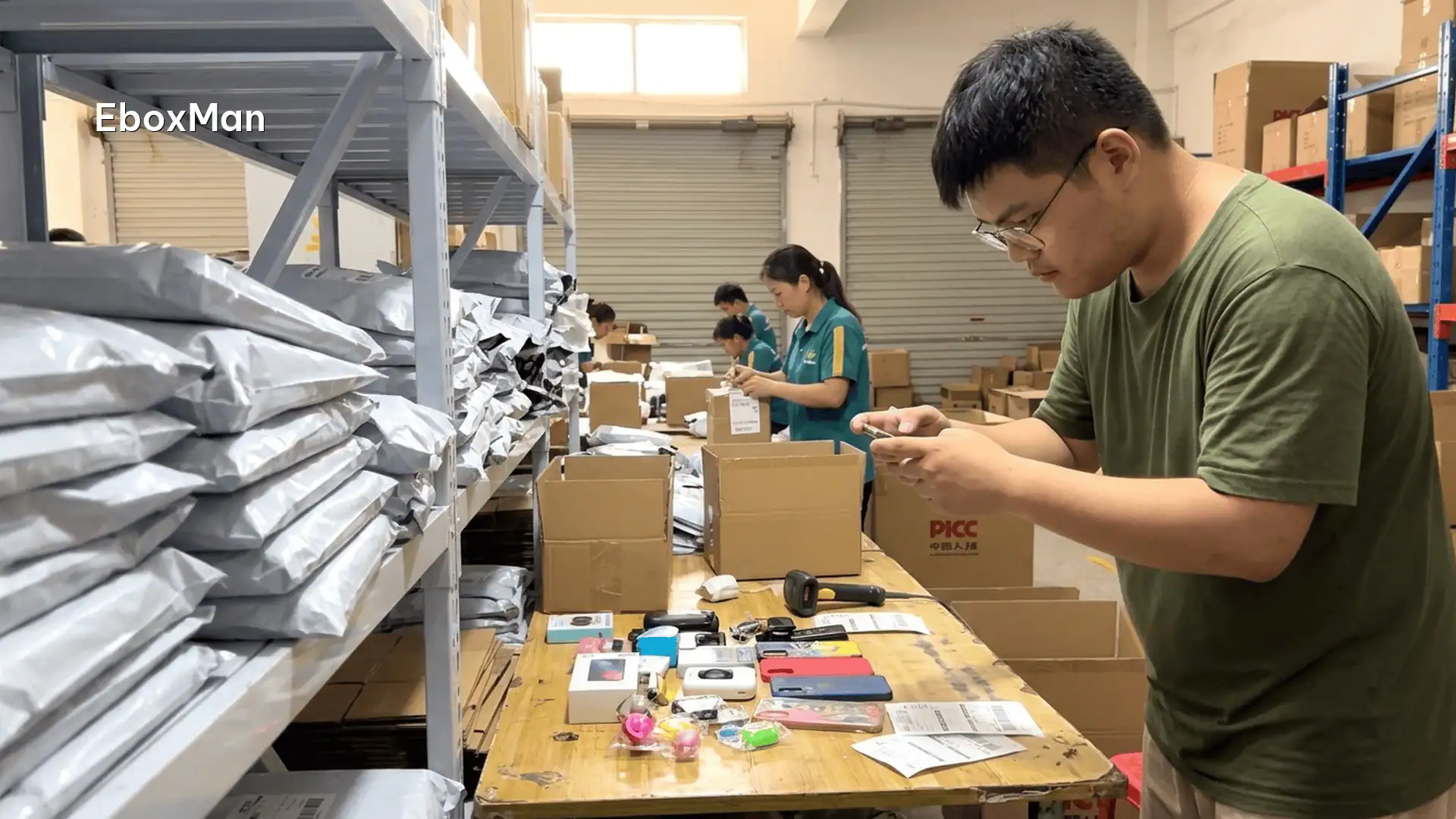
An agent negotiates in Chinese, pays the supplier directly, inspects the batch, consolidates orders, and ships as a finished DDP parcel. This is the route most sellers doing repeat volume land on once the DIY route costs them a bad batch or two.
| Method | Handles Chinese chat | Pays supplier | QC before ship | Delivers DDP |
|---|---|---|---|---|
| DIY + translation | You, manually | You need Alipay access | No | No |
| Purchasing-agent app | Yes | Agent pays | Rarely | No |
| Sourcing/fulfillment agent | Yes | Agent pays | Yes, every batch | Yes |
Pro tip: Whichever route you pick, start with a sample order. A $5-15 sample tells you more about a 1688 supplier’s real quality than any chat conversation, translated or not.
Paying a 1688 supplier without a Chinese Alipay account
This is the practical wall most sellers hit first. Alipay’s business tier is built around a Chinese ID or registered business license, and foreign cards frequently get declined outright at checkout. A private sourcing agent solves this by holding its own Alipay business account and paying the supplier on your behalf, so you’re never trying to open a Chinese wallet from abroad.
Some cheap freight forwarders offer to “just handle it” for a low flat fee, and a portion of them cut corners on the shipping side to hit that price — mislabeled parcels, informal clearance, or routes that go dark in tracking. That risk lands on the seller, not the forwarder.
Watch out: a supplier or forwarder offering to ship “under the radar” to dodge customs isn’t doing you a favor — it’s a seizure and dark-tracking risk you’re carrying, not them.
What happens after the order: QC, consolidation, and the actual delivery
Placing the order is the easy part. What separates a smooth 1688 buy from a costly one is everything between “order confirmed” and “package on the customer’s porch.”
Photo and video QC before the batch ships
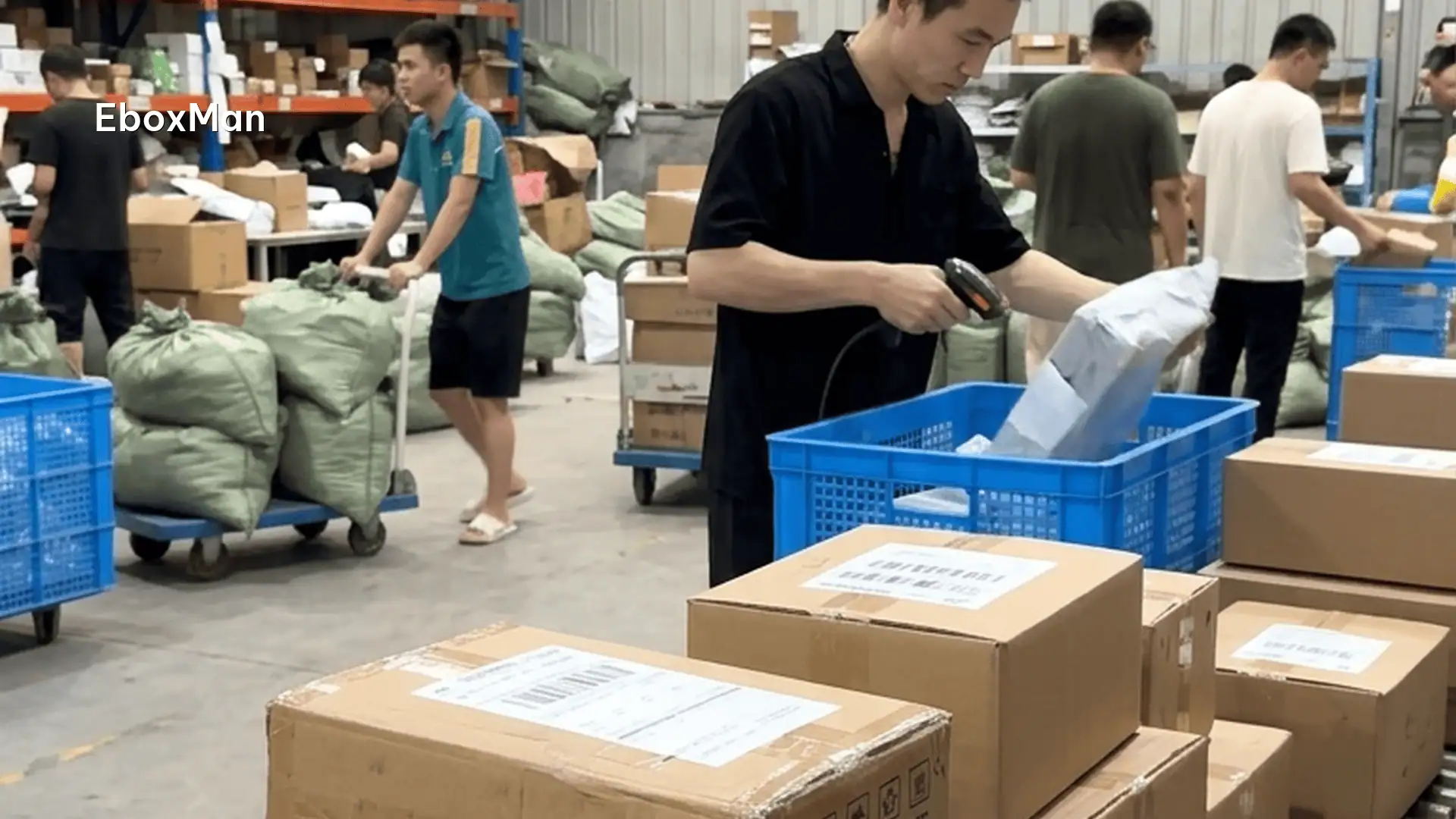
Across the batches we process every day, the pattern we keep seeing is that defects caught before dispatch never become customer refunds. When our QC desk photographs a batch before it leaves the warehouse, a rejected unit costs a supplier reprint, not a seller a chargeback.
Formal clearance, not a bill at the door
Every China->US parcel now needs formal customs entry — de minimis no longer covers it, and Section 301 and Section 122 duties apply regardless of order value. Shipments that travel DDP on shipping lines that clear customs formally have those duties paid before delivery and folded into one per-unit price, so there’s nothing collected at the customer’s door.
A mini-story from operations: a seller scaling past 60 orders/day was buying direct from a 1688 supplier through a translation app, with defect-driven returns running 8-12% and landed cost bouncing unpredictably between $6.50-9.00 per unit depending on which forwarder was used that week. After moving sourcing and shipping to one agent with pre-dispatch QC and consolidated DDP freight, defect returns settled to 2-3% and landed cost held steady at $6.80-7.40 per unit, with delivery averaging 8 days door-to-door.
If you want the tariff-inclusive landed cost for a specific 1688-style SKU, send it through our quote form — we reply within 24 hours.
The real math: is an agent worth the margin
An agent fee is a visible cost. A returned parcel, a bad batch, or a lost shipment is an invisible one that shows up later as a refund. The honest comparison is consolidated shipping savings plus fewer refunds against the agent’s margin, not the fee in isolation.
Ordering ten SKUs separately means ten freight charges and ten chances at a customs hold. Consolidated into one shipment through a single sourcing agent, freight per unit drops, and one QC check replaces ten separate guesses about quality.
How to buy from 1688 in English: a step-by-step checklist
- Search 1688 through a translation-friendly browser or ask an agent to pull matching listings for you.
- Request a sample order first, even at slightly higher unit cost, before committing to volume.
- Confirm who is paying the supplier and how — your Alipay access, an app’s wallet, or an agent’s business account.
- Ask for photo or video QC on the batch before it ships, not after it arrives at your fulfillment center.
- Choose DDP shipping so duties are settled before delivery, not collected from your customer.
When DIY or marketplace platforms are the better call
If you’re moving under 10 orders a day, the agent math above doesn’t pay for itself yet — a marketplace platform or a shared-warehouse supplier with lower minimums is often the more sensible starting point. Use a 1688 sample order as the door in, then move to an agent once volume and SKU count make consolidated shipping and QC pay for themselves.
Frequently asked questions
Can I use 1688 without speaking Chinese at all?
Yes, but expect friction. Browser translation covers basic listings, while negotiating specs, packaging, or defect claims usually needs someone fluent in Chinese, either you, an app, or an agent.
Do I need an Alipay account to buy from 1688?
Most 1688 checkouts expect a Chinese Alipay business account. Foreign buyers typically route payment through an agent or purchasing app that already holds one, rather than opening their own.
Will I get hit with a customs bill after ordering from 1688?
Not if the shipment travels DDP on a line that clears customs formally, with Section 301 and Section 122 duties already included in the quoted price. Informal or mislabeled routes can leave you with a surprise bill or a held parcel.
Is 1688 actually cheaper than other China sourcing sites?
Often yes, since it’s priced for domestic wholesale rather than export. The savings only hold up if quality control and shipping are managed properly, otherwise refunds and delays eat the difference.
Sourcing from 1688 in English is doable once someone handles the Chinese-language negotiation, the Alipay payment, and the customs-formal shipping on your behalf. EboxMan has been running that chain since 2019, processing 10,000+ orders a day with photo QC before every batch ships and one duty-inclusive price at delivery. If you want a real number for your product, our quote form replies within 24 hours.
Private Agent for Dropshipping Success