
Private label sellers built their margins on a number that no longer exists: the $800 de minimis exemption. For years, a parcel from China worth under $800 could cross into the US without a formal customs entry, without an assigned importer, and often without a cent of duty collected. That window closed. If you are still pricing your custom-branded product as if it did not, your landed cost is wrong, and you will find out the hard way when a shipment sits at Customs and Border Protection instead of your customer’s mailbox.
This article walks through what actually changed, what it costs now in real numbers, and what private label brands specifically need to do differently than a standard dropshipping catalog seller.
What actually changed on May 2, 2025
The executive order that ended the low-value de minimis exemption for shipments from China took effect on May 2, 2025. Before that date, postal and express shipments under $800 moved through simplified processing. CBP rarely inspected them for duty purposes. After that date, every parcel from China, regardless of value, requires a formal or informal customs entry, and the applicable duties get calculated at the border, not skipped.
For private label brands, this landed differently than it did for platform resellers. A platform reseller can switch suppliers or absorb a bad batch of orders. A private label brand has spent money on molds, custom packaging, and branded inserts tied to one factory relationship. You cannot just route around a customs problem the way you can swap a product listing.
The duty stack: Section 301, Section 122, and what they mean for your SKU
Two separate charges now apply to most goods imported from China, and they stack:
- Section 301: 25% on most product categories, 7.5% on List 4A goods (a narrower list, mostly consumer electronics accessories and select textiles).
- Section 122 surcharge: an additional 15%, applied under IEEPA authority, on top of the base rate.
You can look up your own product’s HTS code on the CBP or USITC tariff database before you commit to a private label run — it takes ten minutes and tells you exactly which bracket your SKU falls into. We break down the full mechanics, including how to read a duty rate line and estimate your own landed cost, in our Section 301 and Section 122 landed cost guide.
The new math: a real per-unit example
Take a private label item that costs $9.00 at the factory, weighs 250g, and ships as a single unit parcel. Here is how the landed cost looked before and after the exemption ended.
| Cost component | Before May 2025 (under $800 de minimis) | After May 2025 (formal entry required) |
|---|---|---|
| Customs entry | Not required | Required for every shipment |
| Section 301 duty | Not collected | 7.5%–25% of declared value |
| Section 122 surcharge | Not applicable | 15% added on top |
| Factory cost | $9.00 | $9.00 |
| Duties on $9.00 unit (25% + 15%) | $0 | ~$3.60 |
| Customer-facing surprise | Low risk | High, if shipped DDU |
That $3.60 does not disappear. Either you build it into your retail price ahead of time, or your customer gets a knock at the door with a bill for it, and a chargeback request twenty minutes later. Shipments that travel DDP rather than DDU fold that duty into a single price before the parcel ever leaves China, so nobody at the delivery end is surprised by it.
Private label versus catalog dropshipping under formal clearance
Catalog sellers using shared-warehouse suppliers or free catalog apps have one advantage right now: they can drop a slow-moving SKU and pick a different one from the same warehouse without renegotiating packaging or minimum quantities. That flexibility is real and it matters if you are testing products at low volume.
Private label brands do not get that flexibility, and they should not try to fake it. What they get instead is control over unit economics once the SKU is proven: factory-direct pricing on the goods themselves, no per-order markup from a shared catalog, and the ability to negotiate landed cost as one number across the whole run rather than per-order guesswork. The tradeoff only works if the customs and import side is handled correctly from the first shipment, because a private label brand rarely has the order volume to absorb a seized or delayed batch quietly.
Across the batches we pack every day, the pattern we keep seeing is straightforward: brands that priced in duties from day one kept their margins steady through 2025. Brands that priced against the old $800 exemption had to raise retail prices mid-quarter, which is a harder conversation with existing customers than pricing it in from the launch.
A short operations story
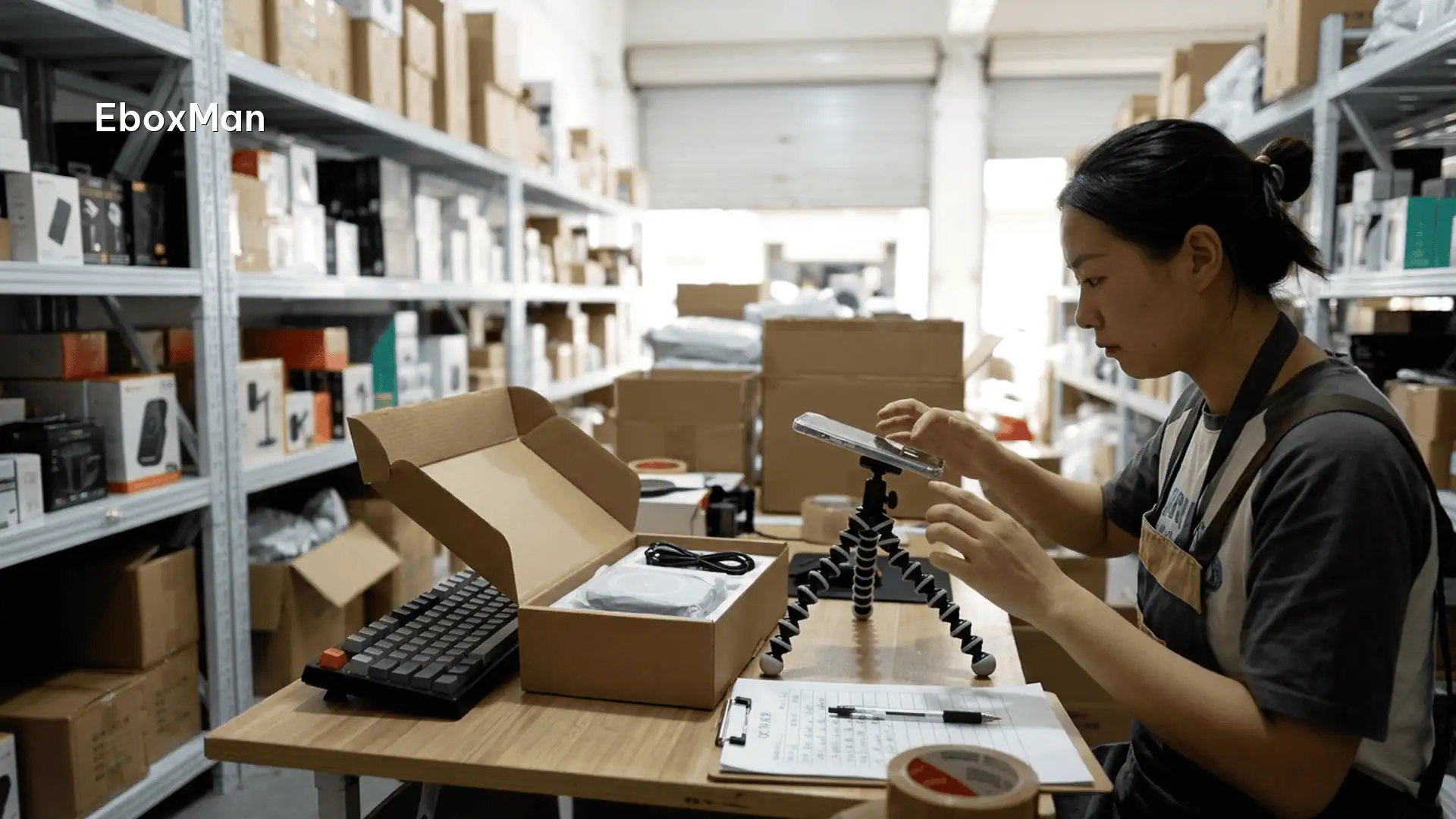
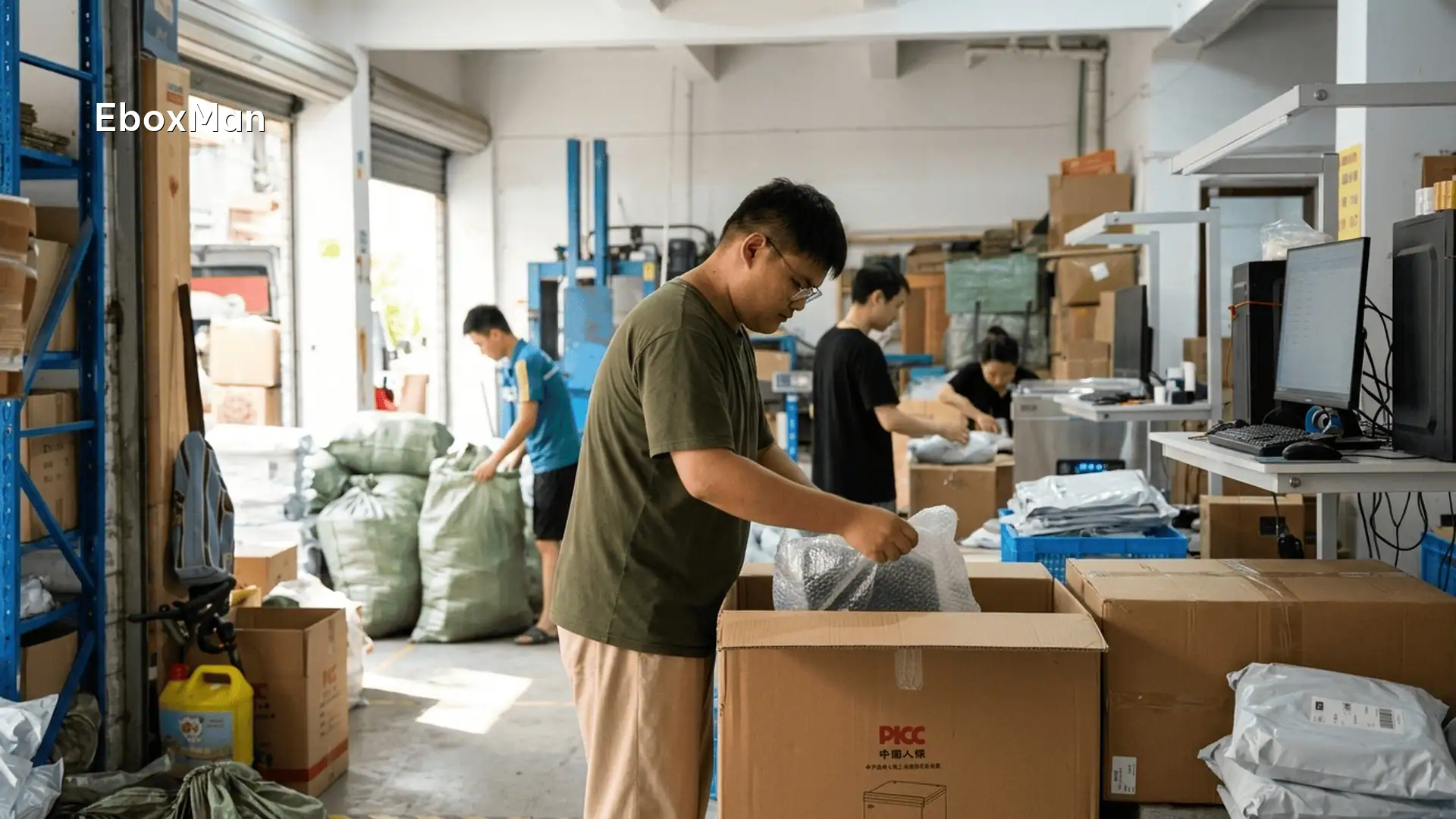
A mid-size home goods brand came to us mid-2025 running private label kitchen tools through a shared-warehouse supplier that quoted DDU and left customs to chance. Their return rate on that line sat around 9-11%, driven mostly by customers refusing delivery after an unexpected duty charge, plus a steady trickle of QC complaints on a supplier they had never inspected directly. After moving the SKU to a DDP arrangement with duties built into one landed price, and adding photo QC on every batch before dispatch, their return rate dropped to roughly 3-4%, and their per-unit landed cost became a fixed number they could plan a retail price around instead of a moving target. Delivery time held steady in the 7-9 day range door to door. None of that required cutting corners on the customs side — it required pricing the duty correctly once, up front.
Checklist: what private label brands should do now
- Look up the HTS code for your exact SKU on the CBP or USITC database — do not assume based on a similar product.
- Calculate your Section 301 rate (7.5% or 25%) and add the flat 15% Section 122 surcharge on top.
- Decide whether you ship DDP (duties included in one price, paid before delivery) or DDU (duties billed to the customer at the door) — read the tradeoffs in our DDP vs DDU comparison before you commit.
- Rebuild your retail price around the fully landed cost, not the factory quote.
- Ask your supplier for photo or video QC on every batch before it ships, not after a customer complains.
- Confirm your shipping line actually clears formal customs entry — some low-cost postal routes still cut corners here, and that risk lands on you, not the carrier.
- If your product sits near a tariff bracket boundary (say, between the 7.5% and 25% lists), consult a licensed customs broker before locking in packaging and labeling — this is not a call to make on a forum thread.
If you want the tariff-inclusive number for your exact SKU, send it through our quote form — we reply within 24 hours.
When this does not apply, and when other options are better
If you are shipping fewer than roughly 10 orders a day and still testing whether a product sells at all, a marketplace platform or a shared-warehouse supplier is often the more sensible starting point — lower complexity, no packaging investment, and you can kill a bad SKU in a day. Private label makes financial sense once you have order volume to justify custom packaging minimums and enough margin cushion to absorb the Section 301 and Section 122 duty stack without repricing every month. If you are not there yet, run samples first, prove demand on a standard catalog item, then move to private label once the number of daily orders makes it worth the setup.
The bottom line
The $800 de minimis exemption is not coming back for shipments from China, and pricing your private label brand as if it might is a guessing game you will lose on the first oversized batch. The duty math is public, the HTS lookup takes minutes, and once you build Section 301 and Section 122 into your landed cost, the rest of the private label decision — packaging, MOQ, QC — gets a lot easier to plan around.
EboxMan has run China-side sourcing and fulfillment for Shopify and WooCommerce sellers since 2019, currently processing 10,000+ orders a day across the US, UK, EU, AU, and Canada. Shipments move on carrier lines that clear US customs formally, with duties paid before delivery and folded into one per-unit price — no bill waiting at your customer’s door. If you want a tariff-inclusive quote for a private label run, or just want a second set of eyes on a landed cost calculation, get a free sourcing quote and we will reply within 24 hours.
Private Agent for Dropshipping Success