
A seller messages us with the same question almost every week: should they put money into US warehouse pre-stocking, or keep shipping direct from China on a DDP basis, order by order? Dropshippers and ecommerce sellers alike ask this because the answer is not universally right. It depends on how predictable your sales are, how much cash you can tie up, and how much a slow delivery actually costs you in refunds and chargebacks. Get the choice wrong and you either sink capital into stock that sits for months, or you lose customers to a 12-day wait they weren’t expecting.
This article breaks down what each model actually costs, when US warehouse pre-stocking makes sense for dropshippers running an ecommerce store, and when it does not.
What each model actually means
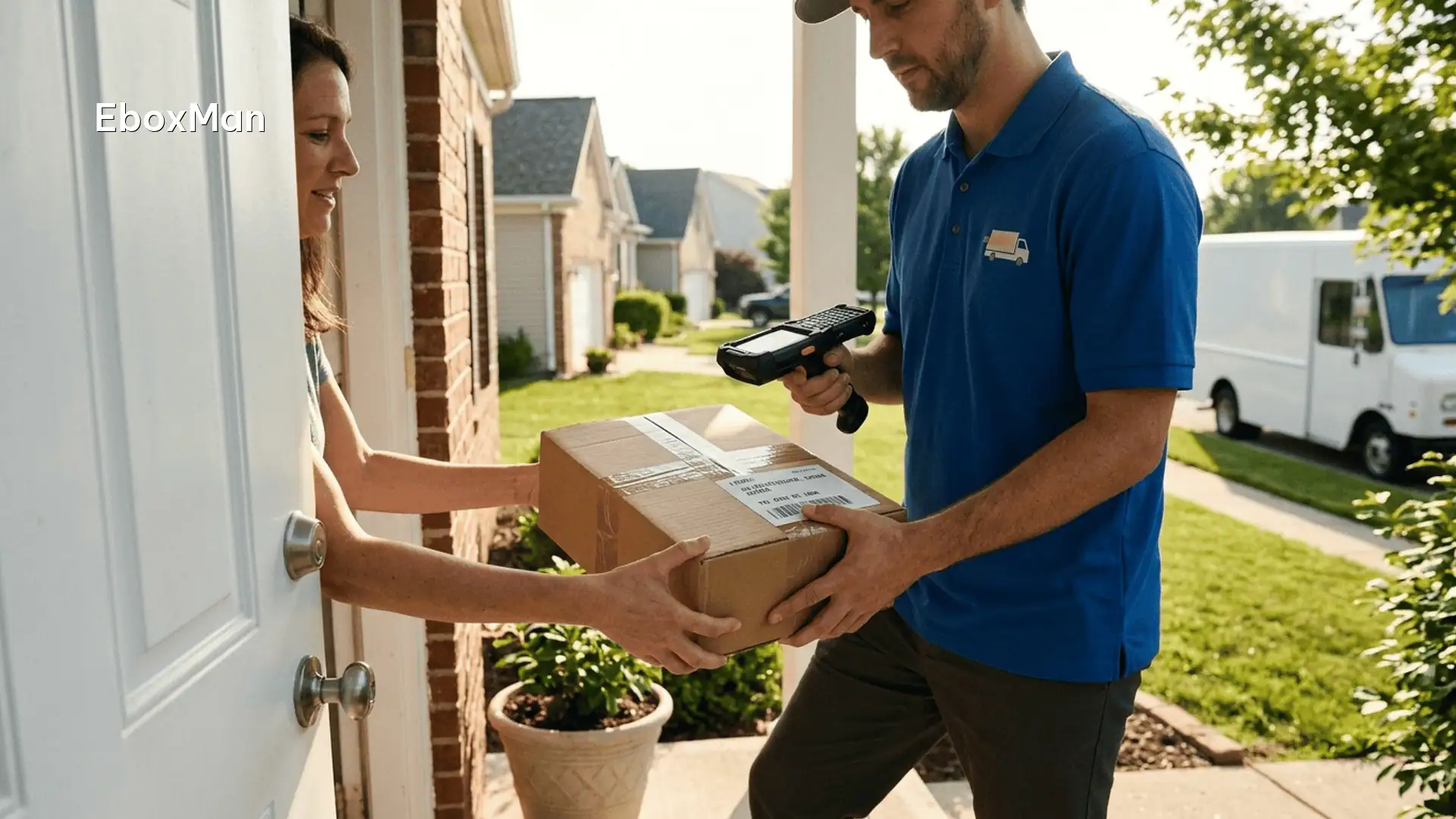
Direct DDP shipping means every order ships from China (or a consolidation point) after the customer buys, delivered duty paid, landing at the buyer’s door with nothing owed on arrival. There is no US inventory to manage. You pay per unit, per order, and the money only moves once a sale happens.
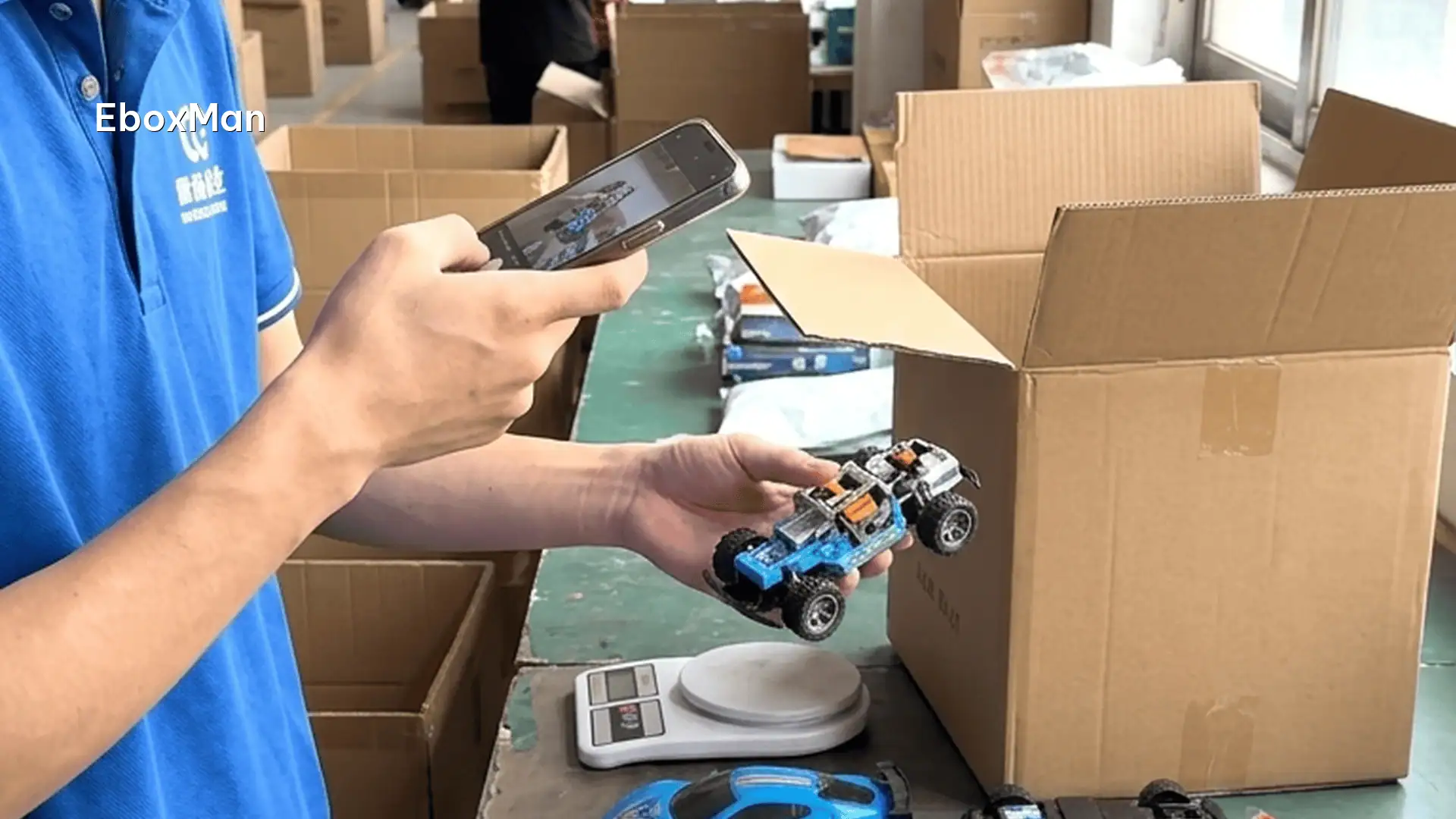
US warehouse pre-stocking means you (or your agent) import a batch of inventory in bulk, clear it once at delivered duty paid terms, store it in a US fulfillment center, and ship out to customers domestically as orders come in. The customs clearance and the duty payment happen once, up front, on the whole batch — not per order.
Cost comparison, side by side
| Factor | Direct DDP shipping | US warehouse pre-stocking |
|---|---|---|
| Delivery speed to buyer | 6-12 days door-to-door (US average ~8 days) | 1-3 days domestic once stocked |
| Capital tied up | None until a sale happens | Full batch cost, paid before any sale |
| Best for SKU pattern | New, untested, or seasonal SKUs | Proven bestsellers with steady demand |
| Customs handling | Cleared per shipment, formal entry | Cleared once per batch, formal entry |
| Risk if demand is wrong | Low — you never bought stock you can’t sell | High — dead stock sits in a warehouse costing storage fees |
| Return/reship handling | Slower, involves cross-border reship | Faster domestic exchange or reship |
The landed cost math that decides this for you
Since the $800 de minimis exemption ended, every parcel entering the US from China needs a formal customs entry, and Section 301 duties (25% on most goods, 7.5% on List 4A items) plus the Section 122 surcharge (15%) apply regardless of how the shipment is routed. Some sellers assume pre-stocking somehow avoids these duties. It does not — the duty gets paid on the batch instead of per parcel, but the rate is the same. We walk through the full calculation, line by line, in our Section 301 and Section 122 landed cost guide, and it is worth running your own SKU through it before you commit to either model.
What changes with pre-stocking is not the duty rate — it is who fronts the cash and when. Pay duty once on 500 units up front, or pay it in smaller increments spread across 500 individual DDP shipments as orders trickle in. The math only favors pre-stocking once your sales volume is steady enough that “sitting in a warehouse” turns into “selling within a few weeks,” not a few months.
If you want the tariff-inclusive number for your exact SKU before deciding either way, send it through our quote form — we reply within 24 hours.
When US warehouse pre-stocking wins
Across the batches we help sellers move into US storage, the pattern is consistent: pre-stocking pays off once a SKU has sold at least 30-50 units a week for four to six straight weeks, with low return rates and no sign of the trend fading. At that point, the 1-3 day domestic delivery window starts converting better than an 8-day international one, and customer satisfaction scores on delivery speed climb noticeably, because fast shipping is what most ecommerce buyers now expect by default. If you are running paid ads on a proven winner and losing sales to competitors advertising “arrives in 2 days,” pre-stocking is the fix.
When direct DDP shipping wins
If you are testing five new products a month, running a general catalog store, or selling seasonal items with a four-to-eight week life span, pre-stocking is close to guaranteed dead capital. Direct DDP shipping keeps every dollar working — you only pay for what a customer actually bought, duties included, with nothing added at their door. For most stores under roughly 500 orders a day, this is still the default, not a compromise, especially for dropshippers who need capital working rather than sitting in a warehouse.
A mini case from daily operations
One seller we work with ran a single kitchen accessory as a DDP test for six weeks — no pre-stock, no upfront batch cost. Landed cost sat around $6.80 per unit, delivery averaged 9 days, and return-driven refunds ran near 4% of orders, mostly “arrived too late, I already bought elsewhere.” Once weekly volume held above 40 units for a month straight, they moved half the SKU into US pre-stock. Delivery time dropped to about 2 days, refund rate fell to roughly 1.5%, and per-unit landed cost actually came down slightly because the batch shipment spread fixed costs over more units. The other half of their catalog — slower movers — stayed on direct DDP shipping, because pre-stocking those would have tied up cash for no real speed benefit.
How to decide: a short checklist
- Has this SKU sold consistently for at least four to six weeks, with no sharp drop-off?
- Can you commit to a batch order without needing that cash back for two to three months?
- Are your current refund or chargeback reasons dominated by “shipping took too long”?
- Do you have a reliable US fulfillment center or agent to manage domestic pick-and-pack once stock lands?
- Have you run the actual landed cost, including Section 301 and Section 122, on the batch size you’re considering?
- Would a hybrid — bestsellers pre-stocked, everything else on direct DDP — cover more of your catalog than an all-or-nothing choice?
The agent-cost objection, worked out honestly
Sellers who compare a sourcing agent’s per-unit margin against buying “direct” often miss the other side of the ledger. Consolidated shipping across a full sourcing agent‘s daily volume brings freight rates down per unit in ways an individual seller placing small orders cannot reach on their own. Add fewer refunds from QC catching defects before dispatch, and the agent margin is frequently smaller than the savings it produces. It is worth running the comparison on your own numbers rather than assuming the margin is pure overhead.
Where this does not apply
If you are placing under 10 orders a day and still finding your first winning product, neither pre-stocking nor a dedicated DDP shipping setup makes sense yet. Marketplace platforms and free catalog apps genuinely serve that stage better — low commitment, built-in traffic, and no batch risk. Come back to this decision once you have a SKU with real, repeatable demand. And for anything involving a licensed customs broker’s judgment call — reclassification disputes, bonded warehouse structuring, IEEPA-related exclusions — that is a conversation for a licensed broker, not a sourcing agent.
Where EboxMan fits
We have operated as a China-based sourcing and fulfillment agent since 2019, moving 10,000+ orders a day for ecommerce sellers running Shopify and WooCommerce stores across the US, UK, EU, AU, and CA. Every shipment ships DDP on lines that clear US customs formally — duties paid before delivery, folded into one per
Private Agent for Dropshipping Success