
In short: supplier credit buys breathing room — it does not buy growth. A store compounds when customers come back and reviews stay healthy, and both are decided by two things credit cannot touch: delivery that keeps its promise, and after-sales that fixes the bad weeks. Here is the order that actually works.
Why credit feels like growth
Financing gives you room to breathe: more cash for ads, bigger reorders, less stress at the end of the month. More ad spend brings more orders, and more orders look like growth.
But orders are not growth. Growth is what happens after the order: the customer gets the parcel on time, likes it, buys again, and your feedback score keeps ad costs stable. Credit touches none of that chain. It changes when you pay — not what your customer experiences.
We wrote before about why we don’t lead with credit. Today’s point is bigger: even good credit, used well, is not an engine. It is fuel. And fuel poured on a shaky engine burns fast.
Danger 1: late delivery quietly reverses everything
A shipping delay is never just a logistics problem. It becomes a support problem, then a money problem: refund requests, chargebacks, a falling feedback score that makes every ad click cost more, and repeat sales that die quietly.
We broke down the full chain reaction in the real cost of shipping delays. The one-line version: every extra day of delivery time is money leaving through four doors at once — and no credit line covers that bill.
Danger 2: weak after-sales — the silent killer
After-sales is what happens when something goes wrong. A lost parcel. A defective item. A customer who is upset. In dropshipping this is not an edge case — at volume, something goes wrong every single week. The question is never if; it is who handles it, and how fast.
The math of one bad case handled badly: a $15 product problem, ignored for a week, becomes a refund, a chargeback fee, a one-star review, and a lost repeat buyer. Call it $150 of damage from a $15 problem — a 10x multiplier on neglect.
The same case handled well — a fast reply, a photo of the replacement being packed, a reship on the way — often ends with a customer more loyal than if nothing had gone wrong. A problem fixed fast builds more trust than no problem at all.
What good after-sales looks like in practice:
- A written reship and refund policy — lost or damaged means reshipped or refunded, as a process, not a negotiation. (Ours is public: reshipment & refund policy.)
- A named person who answers — your dedicated agent, not a ticket queue that closes issues by timeout.
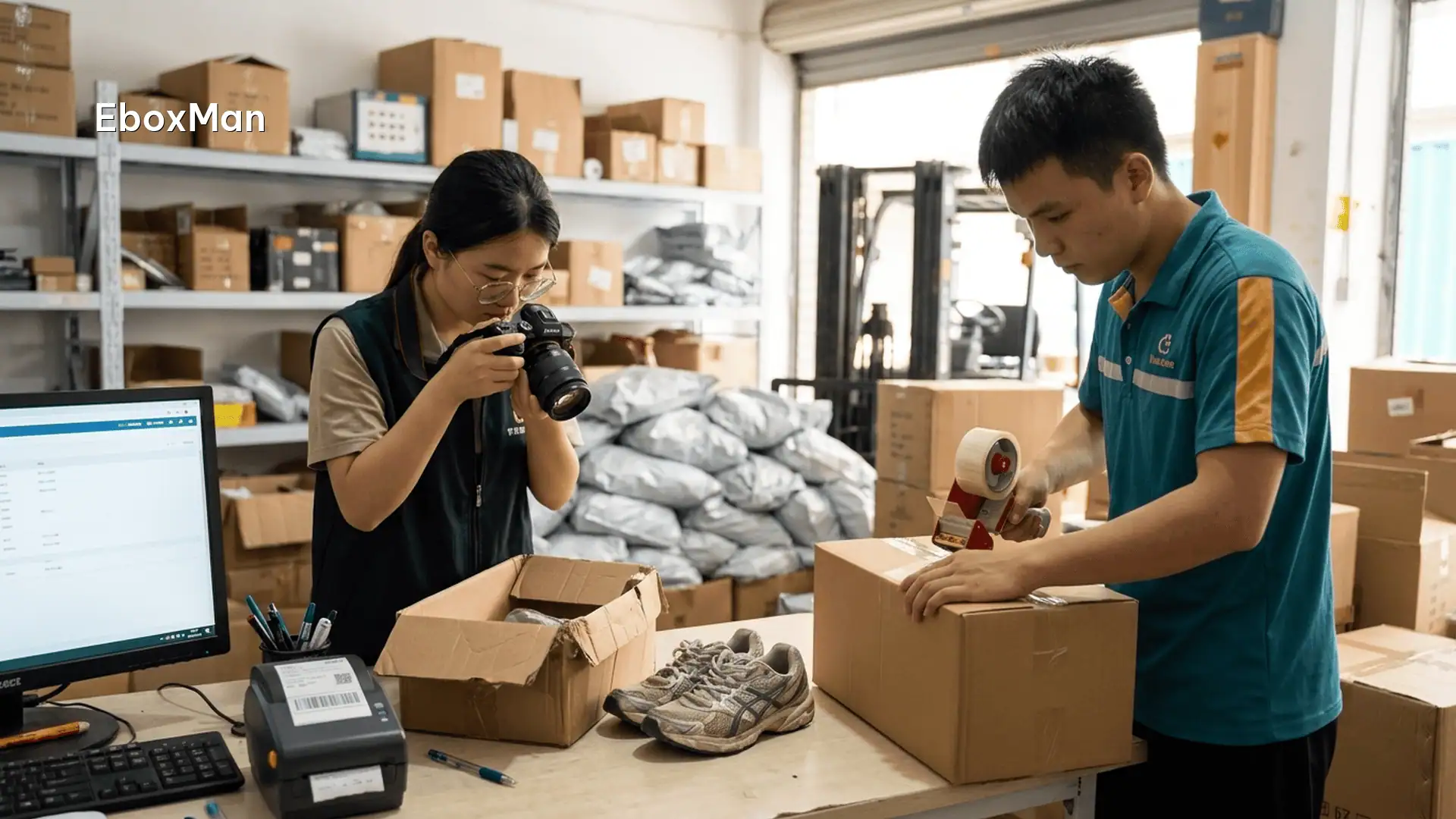
- Prevention before shipping — photo QC on every batch is the cheapest after-sales there is: the defective item that never ships never needs an apology.
- Evidence when you need it — QC photos and clean tracking are what win chargeback disputes.
The growth stack — in the right order
Think of a store as a stack. Each layer only holds if the one below it is solid:
- A product people want — nothing fixes the wrong product.
- Delivery that keeps its promise — the parcel arrives when the product page said it would.
- After-sales that fixes the bad weeks — problems become loyalty instead of chargebacks.
- Financing to scale what already works — now credit is useful, because you are scaling a machine that holds.
Credit sits at the top of the stack for a reason. Put it first — before delivery and after-sales are solid — and it does not scale the store. It scales the damage. It finances the fire.
How to check a supplier in 10 minutes
- Ask for the reship/refund policy in writing. If it only exists in chat promises, it does not exist.
- Ask who exactly answers when a batch has a problem — a name, not a department.
- Ask whether QC happens before shipping or refunds happen after. The order of those two words is the whole difference.
- Then — and only then — ask about credit terms. If the pitch starts with financing before it can answer the first three, you have learned what you needed to know.
Frequently Asked Questions
Is supplier credit enough to grow a dropshipping store?
No. Credit gives cash breathing room, but growth comes from repeat buyers and healthy reviews — and those depend on on-time delivery and good after-sales. Credit scales whatever already exists, including problems.
What matters more than credit when choosing a supplier?
Two things: delivery that matches what your product page promises, and after-sales that fixes problems fast. A written reship/refund policy and a named contact person are worth more than any financing offer.
What is good after-sales in dropshipping?
A written reship or refund process for lost and damaged orders, a dedicated person who replies fast, QC photos before shipping so most problems never reach customers, and evidence to win chargeback disputes.
How do I test a supplier’s after-sales before committing?
Run one small test order and ask three things: the refund policy in writing, who exactly handles problems, and whether QC happens before shipping. How they answer tells you how your worst week will go.
The quiet engine
Nobody posts a review that says “my supplier’s credit terms changed my life.” Reviews say the parcel came fast, the problem got fixed, the person answered. That is the engine. Financing is just fuel — useful exactly when the engine underneath it holds.
If you want to see how our engine runs, send us one product link — a landed-cost quote in 24 hours, a small test order after that, and you will meet the person who answers when something goes wrong. That last part is the real product.
Private Agent for Dropshipping Success