
Most sellers pick a China sourcing agent the same way: a Google search, a few WeChat messages, a sample order that arrives looking fine, and a purchase order that follows. Then three months in, the defect rate climbs, a shipment goes dark somewhere past customs, or a surprise fee shows up that nobody mentioned during onboarding. The agent wasn’t a scam. It just wasn’t evaluated properly before the relationship scaled.
Evaluating a sourcing agent in China is not about trusting a slick website. It’s about checking specific, verifiable things: factory access, quality control process, freight terms, and how landed cost actually gets calculated. This article gives you a 12-point checklist you can run against any agent, plus the questions that separate a real supply chain partner from a reseller with a nice storefront.
Why “reliable sourcing” is harder to verify than it sounds
Anyone can claim “we work directly with factories.” The claim is cheap; the proof is not. A genuine sourcing agent in China should be able to show you a supplier network, not just a supplier. They should be able to explain what happens when a batch fails inspection, not just promise it won’t happen. And they should be able to walk you through what your landed cost actually includes, line by line, instead of quoting a factory price and letting duties surprise you at the door.
The gap between “sounds reliable” and “is reliable” usually shows up in three places: quality control documentation, freight and customs handling, and how transparent the service fee structure is relative to your order value. The checklist below is built around those three pressure points.
The 12-point checklist to evaluate a China sourcing agent
- Do they name a dedicated point of contact, or do you get routed to a shared inbox every time?
- Can they describe their factory audit process, not just say “we audit factories”?
- Do they provide photo or video quality control on every batch before it ships, or only on request?
- What happens contractually if a batch fails inspection? Reship, refund, or renegotiation?
- Do they work with trading companies, factories directly, or a mix, and do they disclose which for your specific product?
- Can they source across multiple product categories, or are they limited to one niche supplier relationship?
- What is their minimum order quantity policy, and does it match your actual volume?
- Do they quote a landed cost, or a factory price that leaves freight and duties for you to figure out?
- Which carriers do they use, and can you get a real tracking number before the parcel leaves China?
- What is their average processing time from payment to dispatch, and their average delivery window door-to-door?
- How is the service fee structured: flat per order, percentage of order value, or hidden in the unit price?
- Do they have public reviews or case studies you can check independently, not just testimonials on their own site?
Run any candidate agent through these twelve questions before you commit real order value. If they hesitate on more than two or three, that is data, not bad luck.
Factory audits and quality control: what to actually ask for
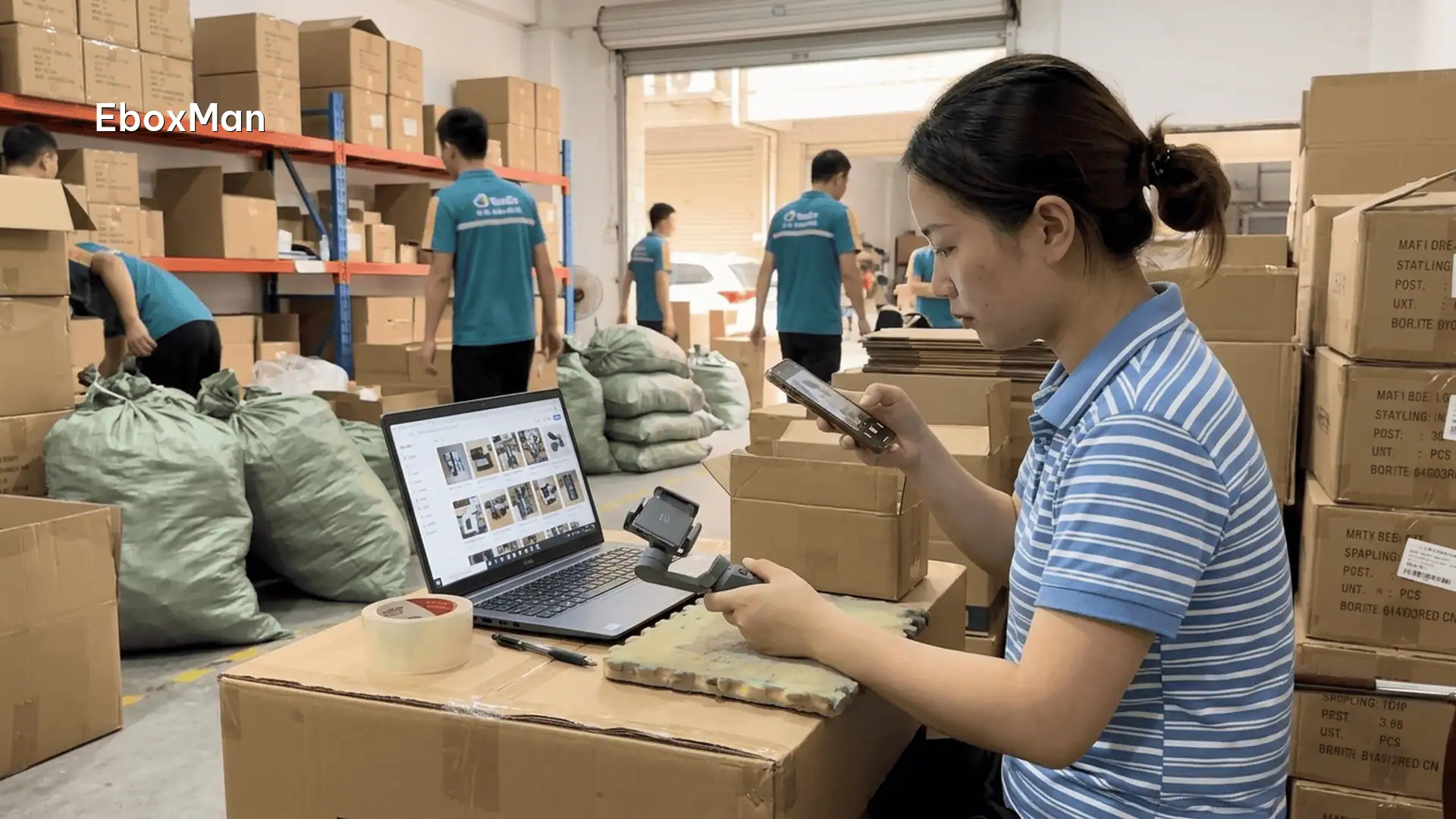
“We do quality control” is not a process, it’s a slogan. A real factory audit and inspection routine has a few concrete features: someone physically at the factory checking a sample from the actual production run, photo or video documentation before the batch is packed, and a clear rejection path when a defect is found. Across the batches we inspect every day, the pattern we keep seeing is simple: sellers who ask for photo QC before dispatch catch problems at the factory, where a reject costs nothing to the buyer. Sellers who skip that step catch the same problems after the customer has already opened the box.
When our QC desk photographs a batch before dispatch, the goal isn’t paperwork. It’s catching the one bad unit in fifty before it becomes a return, a refund, and a one-star review that costs more than the inspection ever would have. Ask any prospective agent for a sample QC report on a real order. If they can’t produce one, that tells you how the process actually works day to day.
Logistics, freight, and landed cost: the part most sellers skip
Product quality gets most of the attention, but freight and customs clearance decide whether that quality product actually reaches the customer on time and without a surprise bill. De minimis is dead for China-to-US parcels; every shipment now needs formal customs entry, and Section 301 duties (25% on most goods, 7.5% on List 4A items) plus the Section 122 surcharge (15%) apply regardless of which agent you use. Duties are not negotiable and they are not something an agent can legally avoid for you — anyone claiming otherwise is describing a shortcut that risks seizure or a tracking-dark shipment, not a discount. You can read the full breakdown of how Section 301 and Section 122 affect your landed cost if you want the mechanics.
What differs between agents is whether duties are paid before delivery and folded into one price, or left for the customer to pay when the carrier knocks. That distinction is DDP versus DDU shipping, and it matters more than most sellers realize until a customer gets an unexpected duty invoice from a courier. Ask directly: does the quote include duties, and does the shipment clear customs formally before it reaches the buyer?
| Category | Typical strength | What to verify |
|---|---|---|
| Marketplace platforms | Low entry barrier, wide catalog, fast to start | Actual supplier quality varies widely per listing |
| Shared-warehouse suppliers | Fast shipping on popular SKUs, no MOQ | Limited customization, less control over sourcing |
| Trading companies | Broad product categories, easy communication | Margin stacked between you and the factory |
| Private sourcing agent | Factory-direct pricing, custom QC, DDP landed cost | Onboarding takes a bit longer than a one-click app |
Each category has a real place. A newbie doing under 10 orders a day is often better served by a marketplace platform or a shared-warehouse supplier while testing demand — the overhead of a dedicated sourcing agent doesn’t pay off yet at that volume. Once you’re consistently past 50 orders a day, factory-direct sourcing and custom QC start returning more than they cost.
Service fee vs. order value: doing the math honestly
The most common objection to using a sourcing agent is the fee. It’s a fair question, and it deserves an honest answer instead of a dismissal. Say a factory-direct unit costs $4.20 and a shared-warehouse equivalent costs $3.60 with a $1.10 duty exposure hidden at delivery and a 6% return rate from unchecked defects. On 300 units a month, the “cheaper” option costs more once you add the returns, the refunds, and the support tickets from customers who got hit with a duty bill they didn’t expect. Consolidated freight and pre-shipment QC don’t eliminate cost, they move it from unpredictable losses to a predictable per-unit price. Run the numbers for your own SKU before deciding either way — if you want the tariff-inclusive number for your exact product, send it through our quote form and we reply within 24 hours.
A short case from the floor
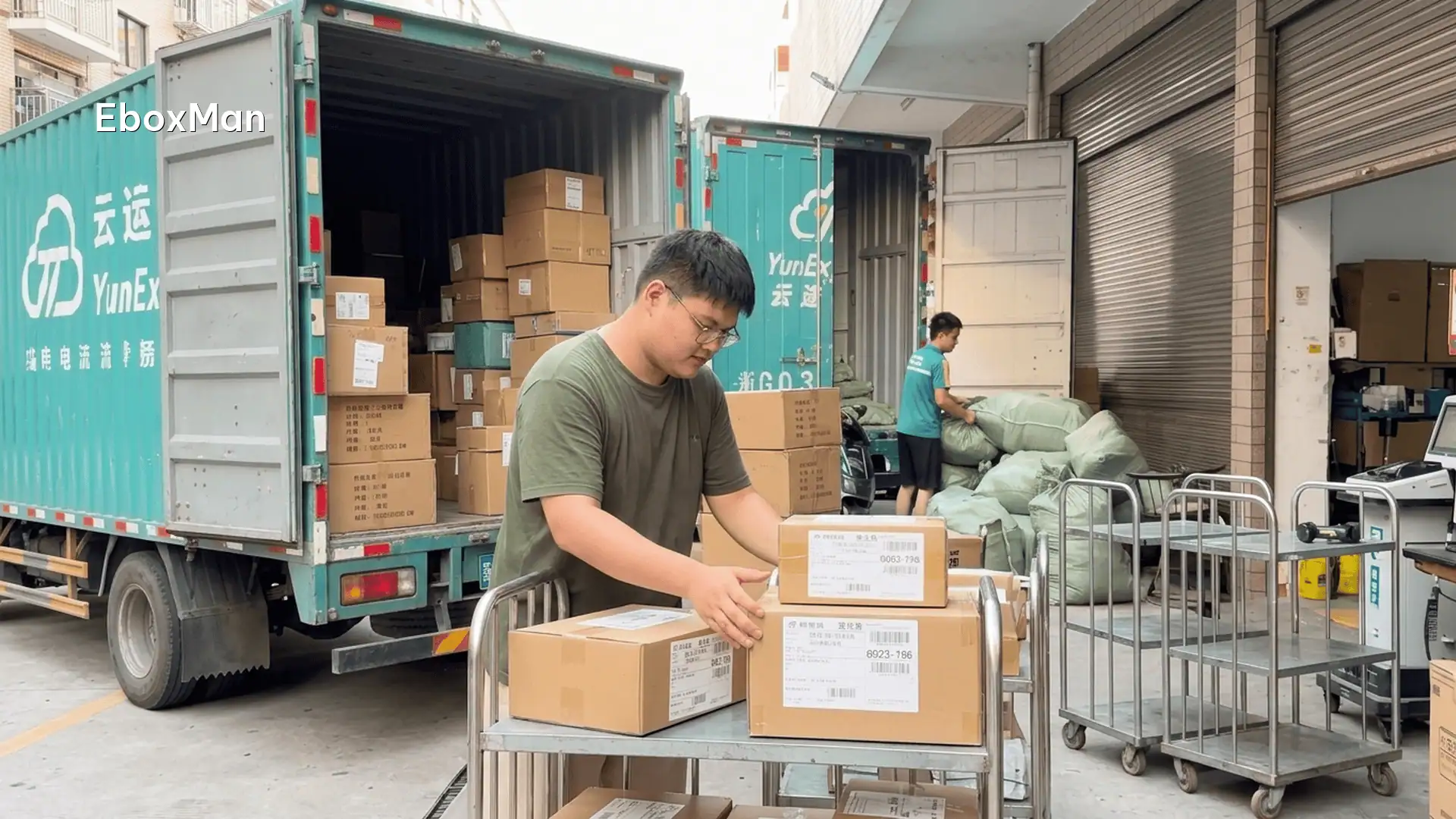
A mid-size home goods seller came to us running roughly 80 orders a day through a shared-warehouse supplier, with defect-driven returns sitting near 15-18% and delivery averaging 14-18 days with no duty visibility at all — customers were getting hit with unexpected charges from the courier. After moving product development and packaging to a factory-direct setup with photo QC on every batch and DDP shipping, defect returns dropped to roughly 3-5%, and delivery settled into an 8-day US average using YunExpress and Yanwen tracked service. The per-unit landed cost went up slightly compared to the old factory-only price, but the total cost per delivered, kept order went down once refunds and support tickets were factored in. That’s the actual trade a sourcing agent is selling: predictability, not just a lower sticker price.
When a sourcing agent is not the right fit
Honesty matters here more than a pitch. If you’re testing a new product idea at under 10 orders a day, a marketplace platform or free catalog app will get you signal faster and cheaper than onboarding a dedicated agent. If your product line changes weekly and you need instant catalog access rather than custom sourcing, a shared-warehouse supplier fits better. A sourcing agent earns its fee once you have repeat SKUs, real order volume, and a need for product development, custom packaging, or private label — generally once you’re past the 50 orders a day mark and staying there.
It’s also worth saying plainly: no agent, including us, can legally reduce Section 301 or Section 122 duties, or promise faster customs clearance than the law allows. Anyone offering that is describing a risk you’d be carrying, not a benefit. For genuinely unusual tax situations, a licensed customs broker is the right call, not a sourcing agent’s guess.
Putting the checklist to work
Evaluating a China sourcing agent is a procurement decision, not a leap of faith. Ask for the factory audit process. Ask for a sample QC report. Ask exactly what your landed cost includes and whether the shipment clears customs formally before it reaches your customer. If the answers are vague, that vagueness will show up later as a defect rate, a delayed shipment, or a duty bill nobody warned you about.
EboxMan has been sourcing and fulfilling for Shopify and WooCommerce sellers since 2019, running 10,000+ orders a day with photo and video QC on every batch before it ships, and DDP delivery with Section 301 and Section 122 duties included in one price, no bill at the customer’s door. If you want a straight, tariff-inclusive quote on your product, get a free sourcing quote here — we reply within 24 hours, no minimum order and no contract required.
Private Agent for Dropshipping Success