
A customer orders a $22 phone case. Three weeks later, a courier knocks and asks for $19 in customs charges before handing over the box. The customer refuses, the parcel gets returned, and the seller eats the product cost, the freight, and the return freight.
This is what selling without DDP shipping from China looks like in 2026. Delivered duty paid flips the order: duties get paid before the parcel ever reaches the door, folded into one price you already know.
Key takeaways
- The de minimis $800 exemption is dead — every China-to-US parcel now needs a formal customs entry.
- Section 301 duties apply to most China-origin goods at rates that vary by product category — and the duty stack has changed several times since 2025.
- DDP shipping from China means duties are paid before delivery — already included in your per-unit price.
- Consolidated DDP freight often costs less overall than the refunds and abandoned parcels caused by surprise DDU bills.
- Not every seller needs DDP — under roughly 10 orders a day, marketplace platforms can still be the simpler starting point.
The customs bill nobody budgeted for
Most sellers find out about the customs process the hard way: a chargeback, a one-star review, or a parcel sitting in a bonded warehouse for weeks. The freight itself was never the problem — the surprise was.
Under a delivered duty unpaid (DDU) shipment, the buyer becomes the importer of record for that parcel, whether they know it or not. Someone has to pay import duties before final delivery, and when it’s not built into the price upfront, it lands on the customer’s doorstep instead.
A $22 product with a $19 customs bill at the door is not a shipping problem — it’s a business problem.
What DDP actually means for your shipment
Delivered duty paid is an incoterm — a shipping and customs term that defines who pays what, and when. Under DDP, the seller’s shipping line covers freight, customs clearance, and import duties, and the buyer’s cost ends at checkout.
DDP vs. DDU in one line
DDU stops at the border and hands the bill to your customer; DDP carries the shipment all the way through customs clearance to final delivery with nothing owed on arrival.
DDP doesn’t remove the customs duties — it just decides who pays them, and when.
Why the old buffer is gone: Section 301, Section 122, and de minimis
For years, small parcels under $800 cleared US customs duty-free under the de minimis rule. That buffer has been gone since August 2025 — every China-to-US parcel now needs a formal entry, regardless of value.
On top of the regular MFN rate, Section 301 duties apply to most China-origin categories, at rates that vary by product. The wider stack has changed names three times in under two years: IEEPA-based tariffs were struck down in February 2026, the flat 10% Section 122 surcharge that replaced them expired on July 24, 2026, and new Section 301 duties took over the same day. The rates move; the direction does not — every parcel pays something. That churn is exactly why a licensed customs broker is worth consulting for anything unusual in your catalog, and why a quote is only useful if it is tariff-inclusive on the day it ships.
Watch out: some cut-rate shipping routes skip formal customs clearance entirely to look cheap on paper. Those parcels risk seizure or go tracking-dark mid-transit — the “savings” show up later as a refund.
How a DDP shipment actually moves door to door
From factory to freight forwarder
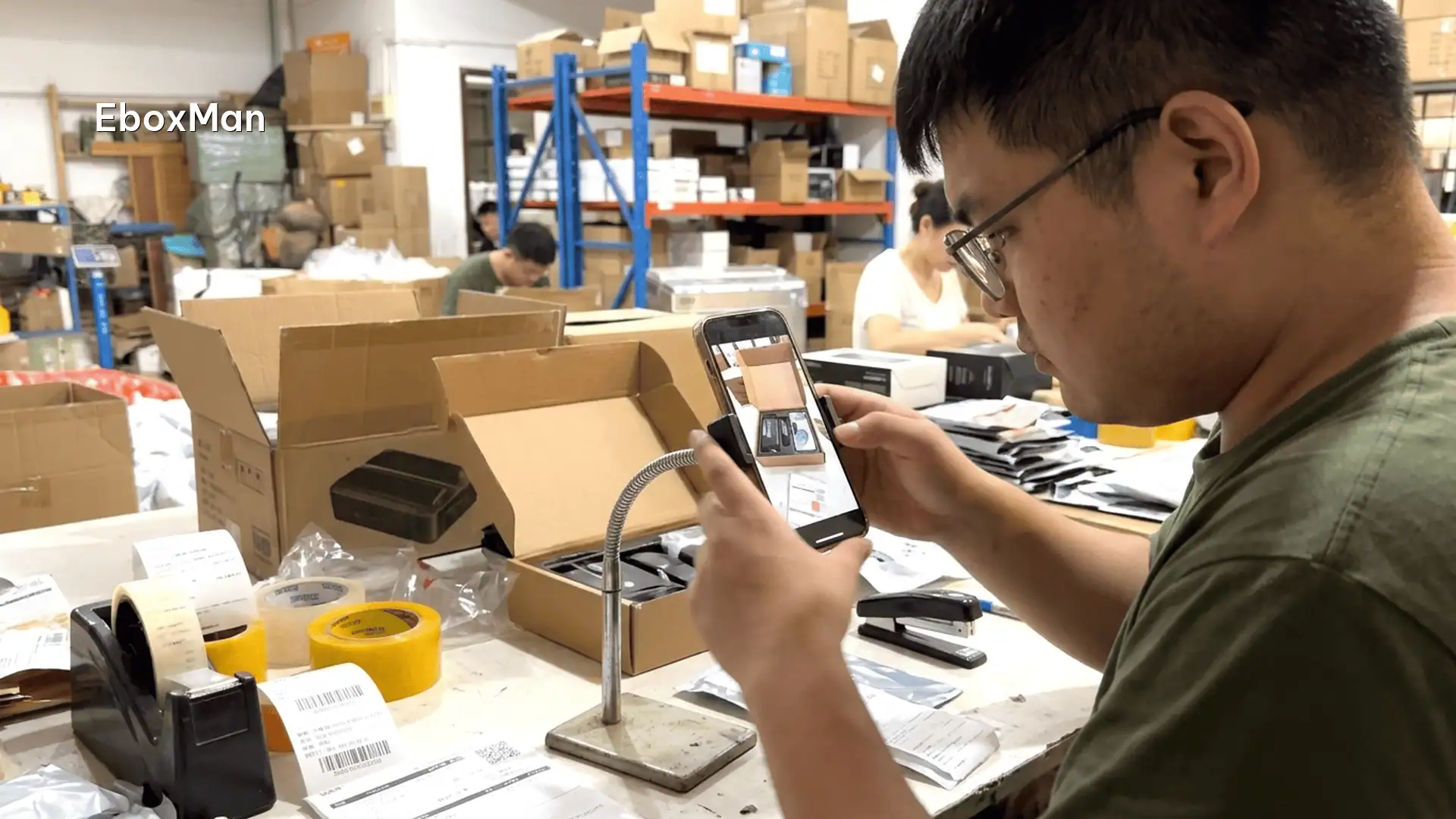
Product leaves the factory, passes through QC, and is handed to a freight forwarder that consolidates it with other cargo bound for the same lane.
Formal customs clearance
The shipment travels on shipping lines that clear US customs formally, with duties paid as part of that process before the parcel moves to last-mile delivery.
Final delivery
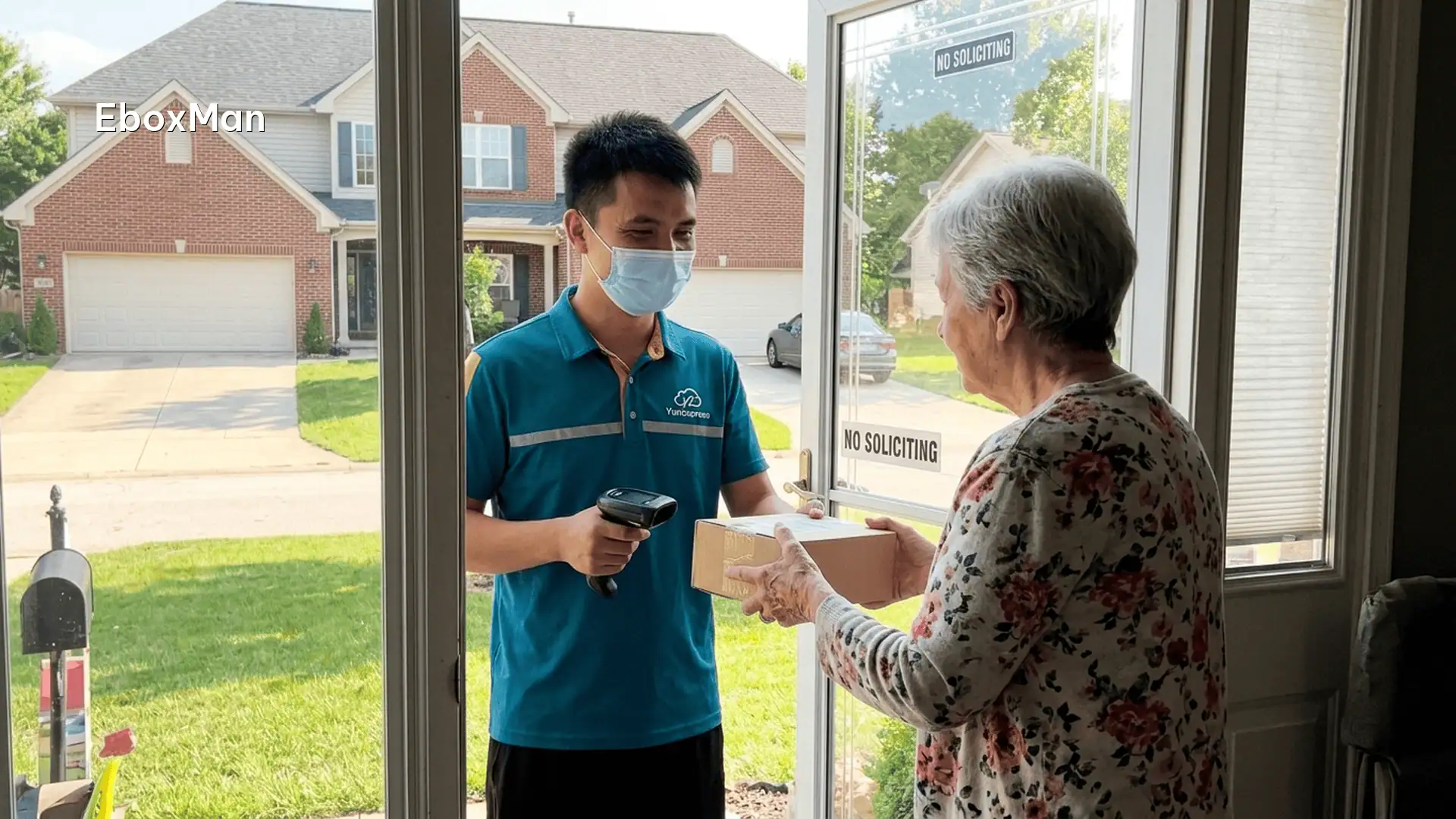
Lines such as YunExpress and Yanwen carry the parcel through to the local last-mile carrier, with real tracking and a real label — no cash, no card, nothing collected at the door.
The customer should never learn what an HTS code is. That’s the whole point of a DDP shipment.
DDP vs. DDU vs. marketplace platforms: the real cost picture
Each shipping method shifts risk to a different place in the chain. Here’s how they compare on the numbers that actually matter to a seller.
| Shipping method | Who pays duties | Price certainty | Typical delivery | Hidden fee risk |
|---|---|---|---|---|
| DDP shipment | Prepaid in your unit cost | Fixed at checkout | 8-15 days standard, 5-7 express | None |
| DDU shipment | Customer, on arrival | Unknown until delivery | Variable, held at customs | High |
| Marketplace platform | Bundled by platform | Fixed, less catalog control | Varies by listing | Low-Medium |
| Shared-warehouse supplier | Depends on carrier chosen | Varies by SKU | Varies widely | Medium |
Pro tip: marketplace platforms genuinely make sense at low volume — under roughly 10 orders a day, the built-in catalog and bundled shipping beat the overhead of managing your own sourcing agent relationship.
The agent-margin math: does DDP actually cost more?
The objection is fair: a DDP price includes an agent’s margin on top of freight and duties. The question is what that margin replaces.
Consolidated freight across thousands of daily parcels brings per-unit shipping down, and duties paid up front eliminate refused deliveries, chargebacks, and the double freight cost of a returned parcel. Add up refund rates before and after, and the DDP margin is often smaller than what it replaces.
A pattern we see across the orders we pack every day
One recurring situation: a seller running 40-60 orders a day on DDU freight was losing roughly 6-8% of parcels to refused delivery or customs holds, each one costing double freight to resolve. After switching the same SKUs to a DDP shipment with photo QC before dispatch, refused-delivery losses dropped to under 1%, and landed cost per unit moved from a wide, unpredictable range to one fixed number the seller could price against.
If you want the tariff-inclusive landed cost for your exact SKU, send it through our quote form — we reply within 24 hours.
How to vet a DDP shipping service before you commit
Not every quote that says “DDP” is actually clearing customs formally. A few checks before you commit inventory:
- Ask which carriers handle final delivery and whether tracking is real, end to end.
- Confirm the quote is one landed price — no “duties billed separately at customs” clause.
- Check whether QC photos are taken before the shipment leaves the warehouse, not after a complaint.
- Look for a public reshipment or refund policy for lost or damaged parcels.
- Test with a sample order before committing full order fulfillment volume.
For newer sellers testing a product with under 10 orders a day, a sample order through a fulfillment center or agent is a reasonable door in — no need to negotiate full DDP terms yet.
Frequently asked questions
Is DDP shipping from China more expensive than DDU?
The per-unit quote is usually higher because duties are built in, but the total cost of ownership is often lower once refused deliveries, customs holds, and double freight on DDU parcels are counted.
Who is the importer of record on a DDP shipment?
That depends on the specific shipping arrangement and should be confirmed in writing with your shipping line or a licensed customs broker; EboxMan’s role is arranging DDP freight where duties are paid before delivery, not acting as importer of record.
Does DDP shipping avoid Section 301 or Section 122 duties?
No. Duties are the same for every seller shipping legally — DDP changes who pays and when, not the duty rate itself. The flat Section 122 surcharge expired in July 2026, but the Section 301 duties that replaced it work the same way: folded into a DDP price instead of billed at the door. See our breakdown of Section 301 and Section 122 landed cost for how the layers stack.
How long does a DDP shipment take door to door?
Standard lines typically run 8-15 days door to door, economy 12-18, and express 5-7. Processing before dispatch adds 1-2 days as a separate step, and formal customs clearance is already included in those delivery ranges.
DDP shipping from China isn’t a discount on import duties — it’s a decision about who carries the surprise, made before the parcel ever leaves the warehouse. If you want a tariff-inclusive quote for your own SKUs, our team replies within 24 hours with one number, not a range.
Private Agent for Dropshipping Success