
Your ad dashboard says 3.2x ROAS. Your bank account says something else. If you have run a dropshipping store on ad-platform numbers alone, you already know the gap: a return on ad spend that looks healthy while the actual profit margin on every order quietly goes negative.
The fix is not a better ad account. It is a dropshipping pricing strategy built on true landed cost, not on what the ad platform tells you a sale is worth.
Key takeaways
- ROAS ignores landed cost — product cost, shipping, duties, and refunds never show up in an ad dashboard.
- Section 301 duty rates vary by HTS code and product category, and the duty stack has changed more than once since 2025 — yesterday’s rate is not a pricing input.
- De minimis under $800 is gone for China-to-US parcels — every shipment now clears formal customs entry.
- Pricing dropshipping products around landed cost, not ad targets, is what separates a profitable dropshipping business from one that just looks busy.
- A 15-20% margin buffer above landed cost is a realistic starting point for most price points.
Why ROAS makes a losing product look like a winner
ROAS measures revenue against ad spend. It says nothing about product cost, shipping, duties, payment fees, or the refund you issue when the item shows up damaged. A seller chasing a 3x ROAS target can hit it every day and still lose money on every unit shipped.
This is the trap: platforms optimize for the metric you feed them. Feed them revenue-per-click, and they will happily scale a product whose true landed cost eats the entire margin.
A 3x ROAS on a product with a negative margin is just a faster way to lose money.
What true landed cost actually includes
Landed cost is every dollar spent getting one unit from the factory floor to the customer’s door, cleared and ready to sell. Most sellers price around product cost and shipping only, then get surprised by duty and refund reality later.
Product cost and factory price
This is the number most sellers already track: unit price from the supplier, sometimes with a small markup baked in by a shared-warehouse supplier. It is the easiest number to get right and the least important on its own.
Shipping cost per unit
Shipping is not flat. A single small parcel costs more per unit than a consolidated batch. Whether you ship DDP or DDU changes who pays duties, when, and whether your customer gets a surprise bill at the door.
Duties: Section 301, Section 122, and the dead de minimis exemption
Section 301 duty rates depend on your product’s HTS code and category, and the wider stack keeps moving — the flat 10% Section 122 surcharge that took effect in February 2026 expired on July 24, 2026, replaced the same day by new Section 301 duties. The old de minimis exemption under $800 no longer applies to China-to-US parcels — every shipment now clears customs with duty paid, no exceptions.
Watch out: shipments dodging formal customs entry to skip duty are not a shortcut — they are a seizure risk and a tracking-dark risk that lands on the seller, not the shipper.
Building your real landed cost per unit
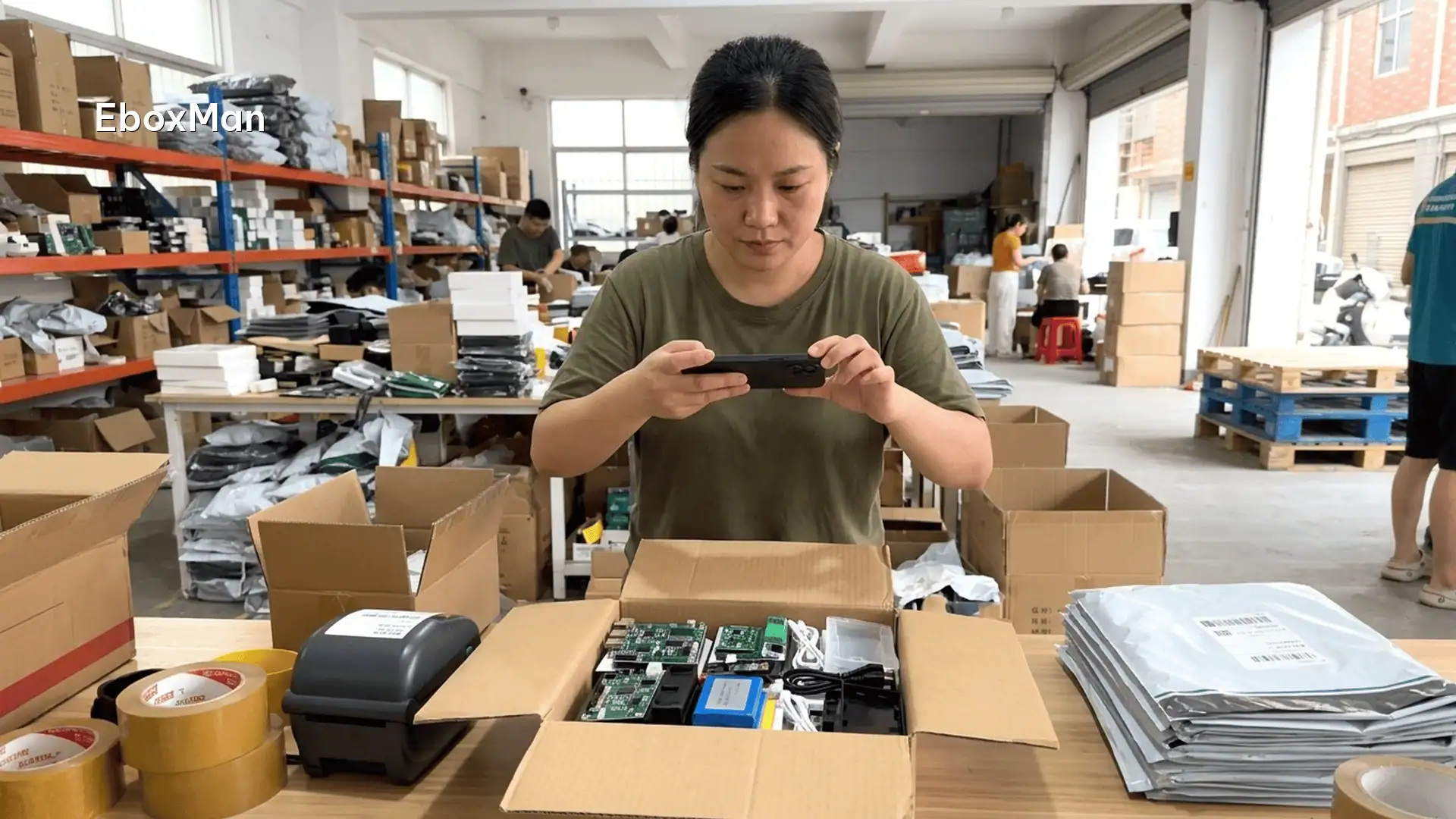
Here is the checklist we walk sellers through before they set prices on a new SKU:
- Factory unit cost, confirmed with the actual supplier quote, not a catalog estimate.
- Per-unit shipping cost at your expected order volume, not single-sample rates.
- Duty rate for your product’s HTS code — look it up yourself on the official US HTS database (our HTS code and import duty guide walks through it); it takes a few minutes and it is the number that most sellers get wrong.
- Payment processing fee, typically 2.5% to 3.5% depending on your Shopify plan and gateway.
- A return and refund reserve, based on your actual defect and return rate over the last 90 days.
Add those five together and you have your true landed cost — the landed cost formula guide breaks each line down with worked numbers. Everything you charge above that number is your actual profit margin, not a number borrowed from an ad dashboard.
Pro tip: run the HTS lookup before you commit to a product, not after your first ad campaign. A product that looks cheap at the factory can carry a 25% duty rate that changes the entire math.
If you want the tariff-inclusive landed cost for your exact SKU, send it through our free quote form — we reply within 24 hours.
Pricing strategies that actually hold up once you know landed cost
Once landed cost is fixed, pricing dropshipping products becomes a question of positioning, not guesswork. Different pricing strategies work for different price points and different target audiences.
Charm pricing and psychological pricing
Charm pricing — ending a product price in .97 or .99 — still moves conversion rate for lower price points, typically under $40. Above that, psychological pricing shifts toward round numbers that signal premium pricing rather than a discount hunt.
Tiered markup on cost
A flat markup percentage across every product ignores that duty rates and shipping costs differ by SKU. A tiered markup on cost — higher percentage on low-cost items, lower percentage on high-cost items — keeps your final price competitive across price ranges while protecting margin on the cheap stuff where duty eats a bigger share.
Bundle pricing and average order value
Bundle pricing raises average order value and spreads your fixed shipping cost across more units, which lowers landed cost per item in the bundle. A $19.99 single item and a $34.99 two-pack can carry a healthier margin than either one sold alone.
Competitive pricing without a race to the bottom
Competitive pricing means checking what similar dropshipping stores charge, then pricing near the suggested retail price for perceived value rather than undercutting on price alone. Undercutting a competitor who has not done the landed cost math is not a strategy, it is a shared mistake.
The right price is not the lowest price your competitors charge — it is the lowest price your landed cost allows.
| Cost component | Often missed in ROAS-only pricing | Included in landed-cost pricing |
|---|---|---|
| Factory unit cost | Usually included | Included |
| Section 301 duty (varies by category) | Missed | Included |
| Newer duty layers (replaced Section 122 in July 2026) | Missed | Included |
| Return/refund reserve | Missed | Included |
| Payment processing fee | Missed | Included |
A pattern we see across the orders we pack every day
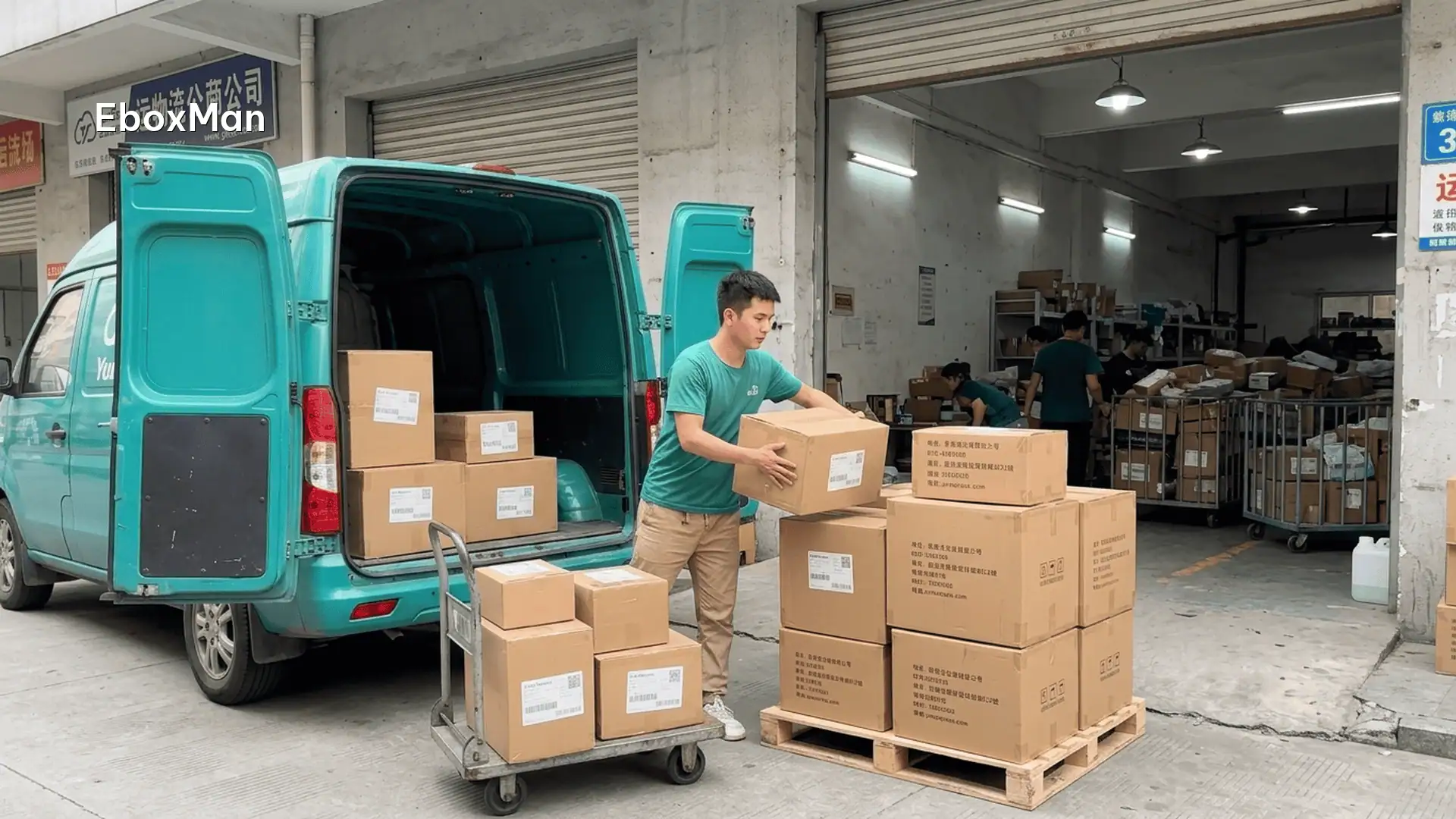
Across the batches we handle daily, the same pattern shows up: a seller sets prices off a target ROAS, scales spend, and hits a wall where growth stalls margin instead of building it.
One recurring situation: a phone-accessory seller priced against a 3x ROAS target, landed cost per unit running near $8.20 once duty and returns were counted honestly, defect returns sitting around 9%. After recalculating landed cost with consolidated shipping and switching to a supplier running photo QC before dispatch, landed cost dropped to roughly $6.10 per unit, defect returns fell to about 3%, and delivery times moved from around 14 days to the fast end of the standard 8-15 day window. The retail price barely moved — the margin underneath it did.
When our QC desk photographs a batch before it ships, that step is what keeps the 3% number from creeping back toward 9%. It is not a marketing line, it is the difference between a return rate you can price around and one you cannot.
When ROAS-based pricing still makes sense
This is not a case for ignoring ROAS entirely. At very low order volume — under roughly 10 orders a day — a marketplace platform’s built-in pricing tools and shared shipping rates can be simpler than building a full landed cost model yourself.
Free catalog apps and marketplace platforms genuinely earn their place here: low commitment, no minimum order, a fast way to test whether a product sells at all before you invest in precise costing. Once volume climbs past that point, the landed cost gap between what ROAS shows and what you actually keep gets too large to ignore.
Frequently asked questions
What is landed cost in a dropshipping business?
Landed cost is the total cost of getting one unit to your customer, cleared through customs, including product cost, shipping, duty, payment fees, and a reserve for returns. It is the true baseline for pricing dropshipping products correctly.
How do I calculate my product’s duty rate?
Look up your product’s HTS code on the official US Harmonized Tariff Schedule database, then check the current Section 301 rate for that code — rates vary by product category, and the stack has changed more than once since 2025 (the flat Section 122 surcharge, for example, expired in July 2026). For edge cases or unclear classifications, a licensed customs broker can confirm the exact rate.
Does de minimis still apply to my shipments?
No. The $800 de minimis exemption for China-to-US parcels is gone, which means every shipment now requires formal customs entry and duty payment regardless of order value.
What’s the difference between DDP and DDU pricing?
DDP means duties are paid before the parcel reaches your customer and are already built into your per-unit price. DDU leaves duty collection to the customer or carrier at delivery, which creates surprise fees and refused packages.
Pricing off ROAS alone is guessing with someone else’s math. If you want a real number to build your prices on, our sourcing agent runs quotes DDP, duties included in one per-unit price, no bill at your customer’s door.
Private Agent for Dropshipping Success