
A customer emails asking for a refund on a $19 phone case. You did not make the case, you do not hold the inventory, and the return address on the package is not even yours. Without a plan, that one email costs you the product, the shipping, the refund, and twenty minutes of back-and-forth.
Multiply that by a few dozen orders a month and a vague “contact us for returns” line on your store turns into a real hole in your margin. A dropshipping returns policy is not a legal formality. It is a profit-and-loss decision you write down in advance.
Key takeaways
- A no-questions “ship it back to China” return policy typically costs more in shipping than the item is worth for orders under $25.
- Defect and damage returns should be free to the customer and covered by your supplier or agent, not deducted from your margin.
- QC photo and video checks before dispatch catch most defects before they ever reach a customer’s door.
- A written return process cuts resolution time and support tickets, which protects customer experience as much as it protects cash.
- Store your policy in one page, quote it in every refund email, and review the numbers every quarter.
Why dropshipping returns work differently from retail returns
In a normal retail model, a return goes back to your own shelf and gets resold. In dropshipping, the item usually sits in a sourcing agent’s warehouse or a supplier’s facility on the other side of the world.
Shipping a $15 item back from a US customer to a Chinese warehouse can cost $18 to $30 in freight alone. That math almost never works, which is exactly why most experienced dropshippers do not ask for the item back at all on low-value orders.
The cheapest return, in most dropshipping cases, is the one where nothing physically moves at all.
What this means for your policy
Your dropshipping returns policy needs two separate tracks: one for “changed my mind” returns, and one for defective or damaged items. Treating them the same way is where most sellers lose money.
The real numbers: what returns actually cost a dropshipping store
Across the orders we pack every day, the return rate on physical goods dropshipped from China to the US, UK, and EU typically runs 3% to 8%, depending on category. Apparel and sized items sit at the high end. Accessories and gadgets sit lower.
Cost breakdown per return
- Refund only, no return shipping: you lose the product cost plus the original outbound shipping, usually $4 to $12 total.
- Refund with return shipping requested: $18 to $35 in freight, which is why most policies waive it under a set order value.
- Defect or damage claim: should be $0 to the customer and $0 to you if your supplier or agent has a reship-or-refund policy for lost or damaged orders.
The number that matters most for your margin is not the refund itself. It is the defect rate, because that is the one you can actually reduce through better sourcing and QC, unlike buyer’s-remorse returns.
Watch out: a supplier who refuses to reship or refund defective units is quietly asking you to fund their quality problem out of your own margin.
A returns policy template that protects margin
Here is a working structure you can adapt for a Shopify or WooCommerce store. Keep it on its own page, and link it from your product pages and order confirmation emails.
Template language
“We accept returns within 14 days of delivery for items that are unused and in original packaging. Buyer’s-remorse returns are refunded once the item is received back at our facility; return shipping is the customer’s responsibility. Items that arrive defective or damaged are replaced or refunded in full at no cost to you — just send a photo within 7 days of delivery.”
Why the split matters
Separating “changed my mind” from “arrived broken” lets you be generous where it costs you little and strict where it would bleed margin. Customers read this as fair, not as a loophole.
A return policy that treats every complaint the same either loses too much money or loses too much trust — rarely both at once, but always one of them.
Pro tip: ask for a photo before issuing any defect refund. It takes the customer 30 seconds and gives you a paper trail if your supplier disputes the claim.
Handling defective returns without wearing the cost yourself
Defective units are the one category of return you should never fully absorb. If a supplier’s error caused the problem, the supplier’s margin should absorb it, not yours.
What good supplier coverage looks like
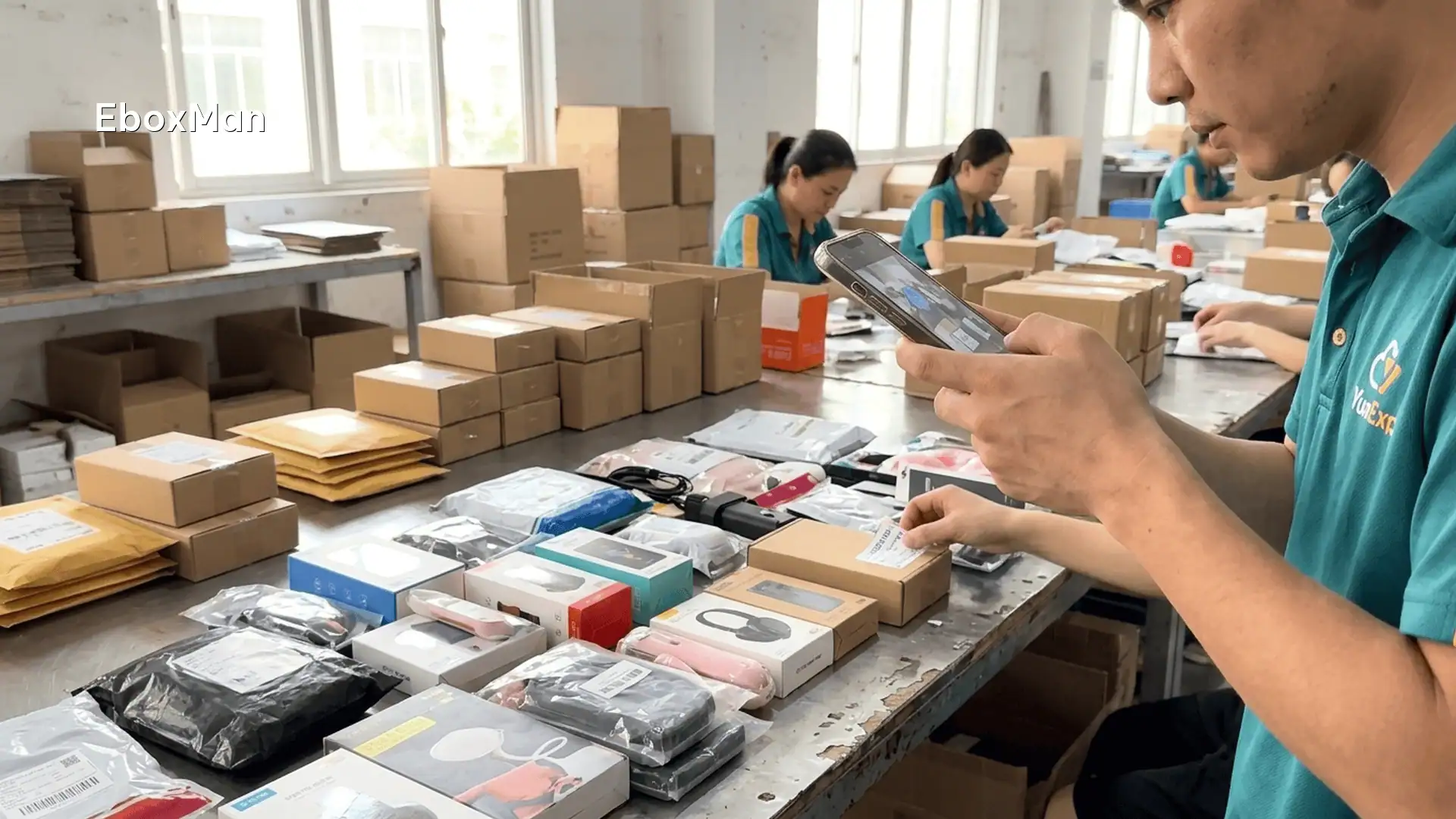
When our QC desk photographs a batch before dispatch, defects get caught and rejected at the factory, before they ever touch a shipping label. That is why our reship-or-refund policy for lost or damaged orders exists as a public page, not a verbal promise.
If you are sourcing through a shared-warehouse supplier or a marketplace platform, ask directly: who pays when the item arrives broken? Get the answer in writing before you scale ad spend on that product.
If you want the tariff-inclusive landed cost and return terms for your exact SKU, send it through our quote form — we reply within 24 hours.
Streamlining and automating the return process
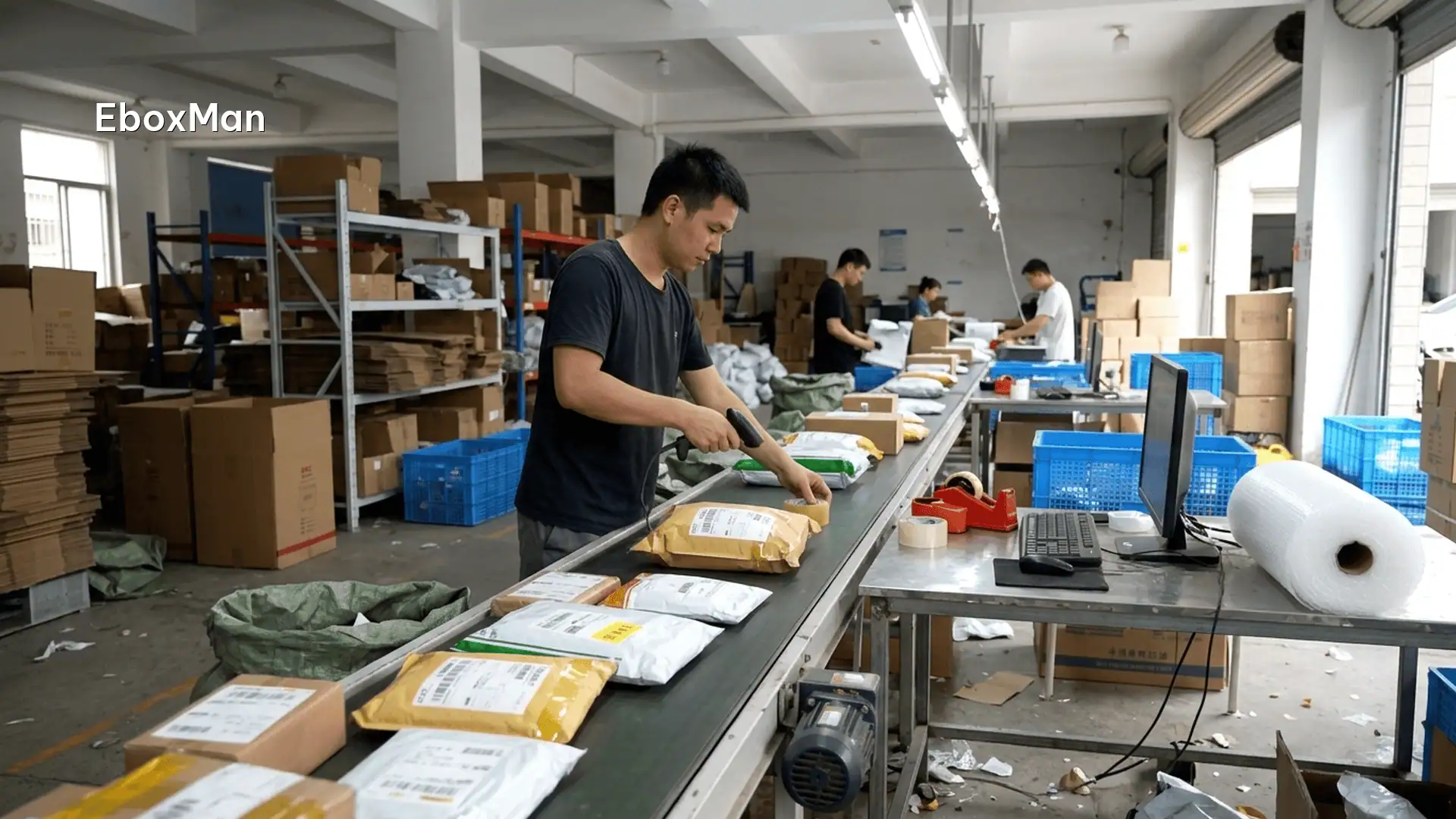
A manual, email-only return process does not scale past a handful of orders a day. Automating the intake step is where most stores get the fastest payback.
What to automate
- A returns page with clear timelines, linked from every order confirmation.
- An automated form that asks for order number and photo upfront, before a human reads the ticket.
- A rule that auto-approves defect refunds under a set dollar value, so support does not bottleneck small claims.
- A weekly export of return reasons by SKU, so you can spot a bad product before it drains a month of ad spend.
- A direct line to your sourcing agent for anything above the auto-approval threshold.
Streamlining is not just about speed. A faster refund process directly improves customer experience and repeat-purchase rate on your ecommerce store, which matters more for lifetime value than the refund itself.
Comparing return-handling models
| Model | Return shipping cost | Typical resolution time | Margin impact |
|---|---|---|---|
| No returns accepted | $0 | Immediate refund or none | Low cost, high trust risk |
| Ship-back-to-China policy | $18-35 per unit | 3-4 weeks | Often net loss on orders under $25 |
| Refund-only, no return | $0 | 1-3 days | Product cost lost, no freight lost |
| Supplier-covered defect reship | $0 to customer | 7-12 days | Absorbed by supplier margin, not yours |
A short before-and-after from operations
A mid-size home goods seller we work with was seeing an 8% return rate on one SKU, mostly damage-in-transit claims, and refunding every one out of pocket at roughly $14 per unit. After moving sourcing to a supplier running photo QC before dispatch and a formal reship-or-refund process, the defect rate dropped to around 2% within two shipment cycles, and the per-unit landed cost, duties included, actually came in lower than their previous supplier’s undeclared-duty pricing once de minimis stopped applying. The numbers moved because the process changed, not because the policy got stricter on customers.
When a strict returns policy is the wrong call
If you run under 10 orders a day and are still testing products, a rigid policy with automation and thresholds is overkill. Handle returns manually, keep notes on which products draw complaints, and revisit this once volume justifies the setup. Marketplace platforms and free catalog apps can also be a reasonable starting point at that stage, since they carry some return handling for you.
Frequently asked questions
Do dropshippers need a separate return and refund policy page?
Yes. Shopify and most payment processors expect a visible return and refund policy, and having a clear one reduces chargebacks because customers see a process before they escalate to their card issuer.
Who pays for return shipping in dropshipping?
For buyer’s-remorse returns, the customer typically pays. For defective or damaged items, the supplier or agent should cover it, which is why supplier terms matter more than store policy wording.
Should I always accept returns to build trust?
Not physically. Most stores build trust with a fast refund-without-return process for low-value items and a clear photo-based claim path for defects, rather than paying international return freight.
How does DDP shipping affect returns and refunds?
DDP shipping means duties are already included in your landed cost, so a refund does not also carry a surprise duty bill. Compare that to DDP versus DDU before picking a shipping line for a new product.
A dropshipping returns policy built on real numbers, not adjectives, is one of the few margin levers you fully control. If you want a tariff-inclusive landed cost and a straight answer on how defect coverage works for your product, EboxMan replies to sourcing requests within 24 hours, no minimum order and no contract required.
Private Agent for Dropshipping Success