
Most sellers do not have a tool problem. They have a stack of six subscriptions that each promise to fix dropshipping and none of them touch the two things that actually sink margin: bad supplier quality and slow, duty-surprise shipping.
Before you add another app to your Shopify admin, it helps to sort dropshipping tools into what they actually do — research, operations, or support — and then check whether the gap you are trying to close even lives in software.
Key takeaways
- Three jobs, not one: research tools find products, operations tools run the store, support tools keep customers after the sale.
- AI product research tools score demand, but none of them verify supplier defect rates or landed cost.
- Free catalog apps work fine under roughly 10 orders/day; past that, order-level control starts to matter more than automation.
- Section 301 and Section 122 duties apply to every China-to-US parcel now that the $800 de minimis exemption is gone — no tool changes that math.
- The stack that saves the most money is usually the one that reduces defects and delivery delays, not the one with the most integrations.
What a 2026 dropshipping tool stack actually has to do
Strip away the marketing pages and every dropshipping tool falls into one of three buckets: find a winning product, run the store day to day, or handle the customer after checkout.
Sellers who mix these up end up paying for automation that solves a problem they do not have, while the real bottleneck — a supplier who ships defective units or a carrier that takes three weeks — goes untouched.
A tool can automate the order. It cannot automate a factory that ships you a good batch.
Product research and AI product tools
Most product research tools scrape order volume and ad activity across marketplace platforms and score products by trend velocity. That part works reasonably well — you get a ranked list of what is currently moving.
What research tools miss
A “winning product” score says nothing about defect rate, packaging weight, or landed cost after Section 301 and Section 122 duties are applied. A $6 gadget that looks like a 300% markup on paper can lose money once duty, shipping, and returns are counted.
Run the landed cost math before you commit ad budget to any product an AI product tool surfaces. The tool tells you demand exists; it does not tell you whether you can fulfill it profitably.
Pro tip: before trusting a “winning product” badge, pull the item’s HTS code yourself and check the applicable Section 301 rate — it takes ten minutes and can rule out half the list.
Store automation: Shopify apps, product import, and order sync
This is where dropshipping automation genuinely earns its keep. A good automation tool imports products with images and descriptions in one click, syncs inventory so you do not sell what is out of stock, and pushes orders to a supplier without manual copy-paste.
Free plan versus paid tiers
Free catalog apps are enough if you are importing under a few dozen SKUs and processing under roughly 10 orders a day — for a newbie store, that is often the right starting point, and a sample order is usually the better first move than a paid subscription.
Past that volume, paid tiers earn their cost through bulk product import, automated tracking sync, and API access that a free plan usually caps or blocks.
Automation moves data faster. It does not fix a supplier relationship that was never solid to begin with.
Supplier and fulfillment tools — where most stacks break
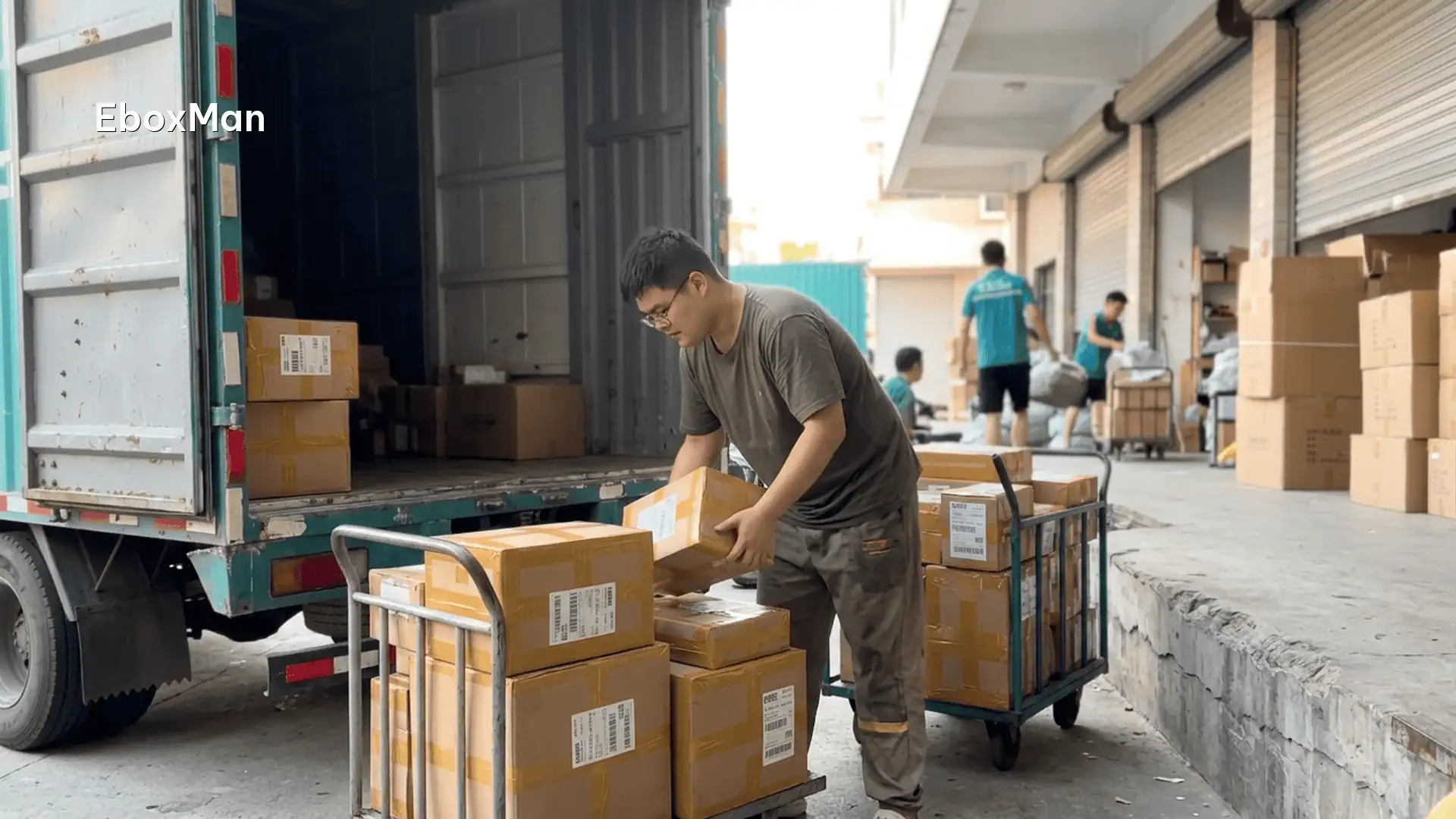
Sourcing from AliExpress or a shared-warehouse supplier through a plug-in app is fast to set up, and for low-volume testing that speed is a real advantage. The tradeoff shows up once order volume climbs: no photo QC before your parcel ships, and shipping terms that often leave duty and last-mile risk on you or your customer.
A pattern we see across scaling stores
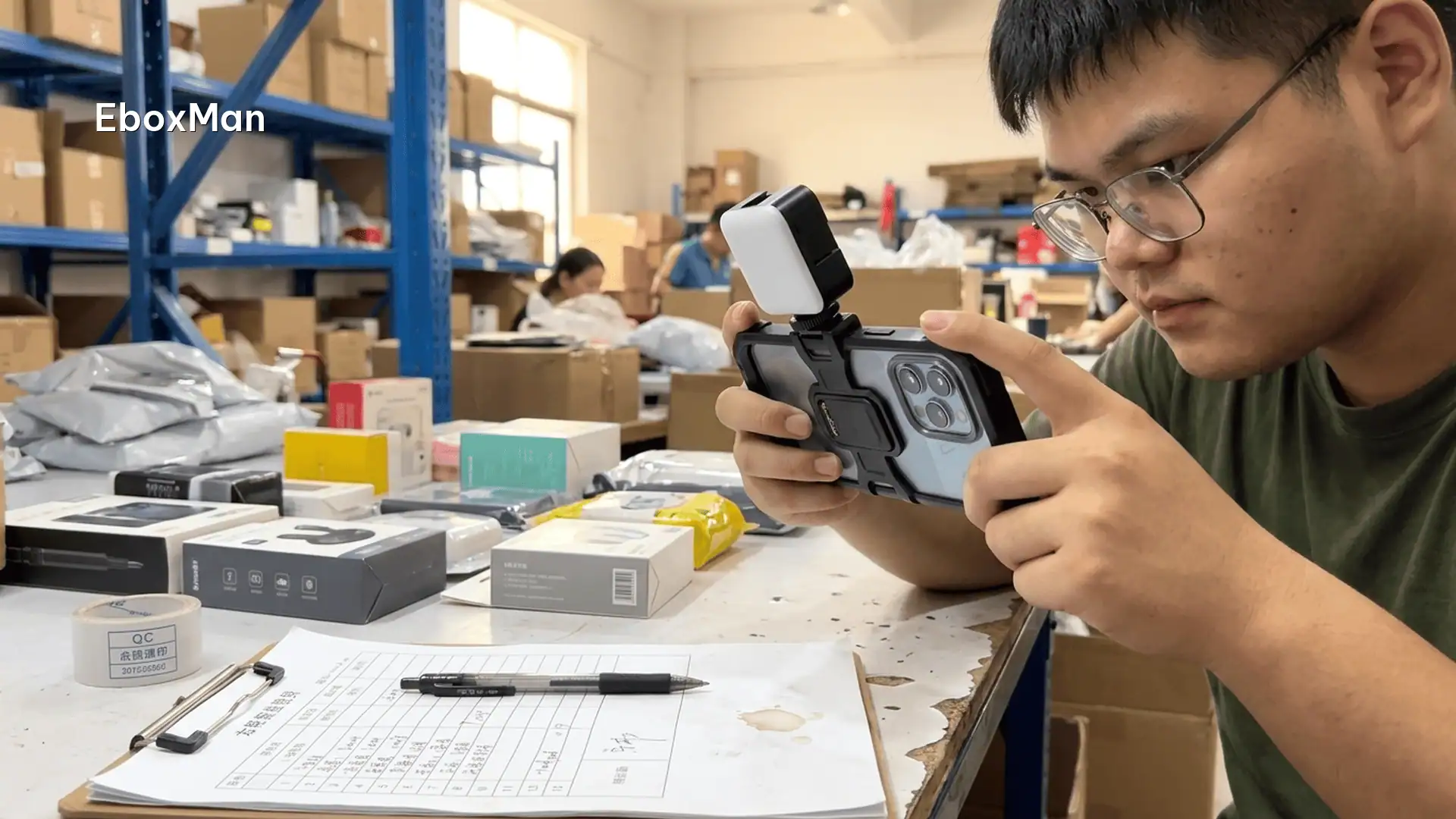
Across the batches we process every day, the pattern repeats: a seller comes to us running 60-80 orders a day through a marketplace-linked supplier, with a defect-return rate around 8-10% and landed cost they had not actually calculated. After moving fulfillment to a dedicated sourcing agent with photo QC before dispatch, that return rate typically settles closer to 2-3%, and delivery lands in the 6-12 day range instead of three-plus weeks on cheaper, slower routes.
The agent margin is real, and it should show up in the math — but so should the refunds and re-ship costs it replaces. Run both sides before deciding it is not worth it.
If you want the tariff-inclusive number for your exact SKU, send it through our quote form — we reply within 24 hours.
Duties are equal for every seller who ships legally — the difference is in QC, pricing, and whether the parcel clears customs before it reaches your customer’s door.
Customer support tools that actually keep refunds down
Helpdesk apps with canned replies and order-status widgets reduce response time, and that matters for reviews. But most support tickets in dropshipping trace back to two causes: a defective item or a shipment that took too long.
No chatbot fixes either one. What reduces ticket volume in practice is a QC photo check before a batch ships and a carrier that reports real tracking end to end, so support staff have an honest answer instead of a guess.
Cost and fit: matching tools to order volume
| Tool category | Typical monthly cost | Best fit | What it does not solve |
|---|---|---|---|
| Free catalog app | $0 | 0-10 orders/day, testing | Defects, duties, delivery speed |
| Paid automation tool | $29-79 | 10-50 orders/day | Supplier quality control |
| Marketplace platform | Per-order fee | 0-50 orders/day, low SKU count | Custom packaging, private label |
| Private sourcing agent | Per-unit agent margin | 50-500+ orders/day | Ad targeting, store design |
Building a 2026 stack: a short checklist
- Pick one AI product research tool and validate its top pick against real landed cost, not just trend score.
- Confirm your Shopify or WooCommerce automation tool supports bulk product import and live inventory sync.
- Check whether your supplier does photo or video QC before a batch ships — ask for proof, not a promise.
- Compare DDP against DDU shipping terms so you know who is actually paying duty at the border.
- Keep a support tool, but track ticket causes for 30 days before adding more automation to it.
Watch out: no tool, app, or carrier can legally avoid Section 301 or Section 122 duties on China-to-US parcels — the $800 de minimis exemption is gone, and anyone promising to route around it is describing a fake-label risk, not a discount.
Where platforms and free catalog apps genuinely win: under roughly 10 orders a day, the setup speed and zero cost beat any agent relationship — that gap only opens once volume and defect exposure grow.
Frequently asked questions
What is the best dropshipping tool for a brand-new store?
A free product import app paired with a marketplace platform is usually enough under 10 orders a day. Order a sample first to check quality before committing ad spend to a product.
Do AI product research tools actually find winning products?
They surface trending items reasonably well by scoring order volume and ad activity. They do not check supplier defect rates or landed cost, so treat the output as a shortlist, not a final answer.
Can any tool help me avoid Section 301 or Section 122 duties?
No. These duties apply to formal customs entries on China-origin goods regardless of which app or platform you use, and the $800 de minimis exemption no longer applies. Look up your product’s HTS code yourself, or consult a licensed customs broker for edge cases.
When does a sourcing agent make more sense than an automation app?
Once you are past roughly 50 orders a day, or defect returns are eating into margin, order-level QC and a dedicated fulfillment setup tend to save more than an automation subscription can.
None of this replaces doing the math on your own SKUs. If you want a straight, tariff-inclusive number to compare against whatever stack you are running now, EboxMan has been sourcing and fulfilling for Shopify and WooCommerce sellers since 2019, at 10,000+ orders a day, with photo QC before every batch ships.
Private Agent for Dropshipping Success